A facility floor manager in Queens once described his old crane setup as “technically working, practically useless.” It lifted things, sure, but it never matched how his team actually moved material through the shop. That gap between what a crane can do and what a facility actually needs is where most equipment decisions go wrong.
Overhead crane systems solve very different problems depending on the building they sit in. A narrow fabrication shop with low ceilings has almost nothing in common, lifting-wise, with a sprawling distribution warehouse running three shifts. So before getting into types and uses, it helps to look at what these systems are actually doing mechanically, then work outward from there.
What These Systems Are Doing, Mechanically
Ground equipment like forklifts shares floor space with everything else in a building. Overhead cranes don’t. They run on elevated runways or beams above the work area, which frees up the floor and, more importantly, lets a load get guided into position with a precision floor equipment rarely achieves.
That’s the whole appeal, really. A steel supplier might use an overhead crane to feed raw stock into a cutting line before lunch, then reposition the same crane to move finished parts toward shipping by the afternoon. No forklift threading through aisles, no operators dodging pallets. Loads themselves range enormously too, anywhere from a few pounds of small components up to multi-ton machinery sections. Facilities that skip the planning stage, building height, expected load weight, and how often the thing will actually run tend to end up with cranes that work in theory but frustrate operators in practice.
The Moving Parts Behind a Lift
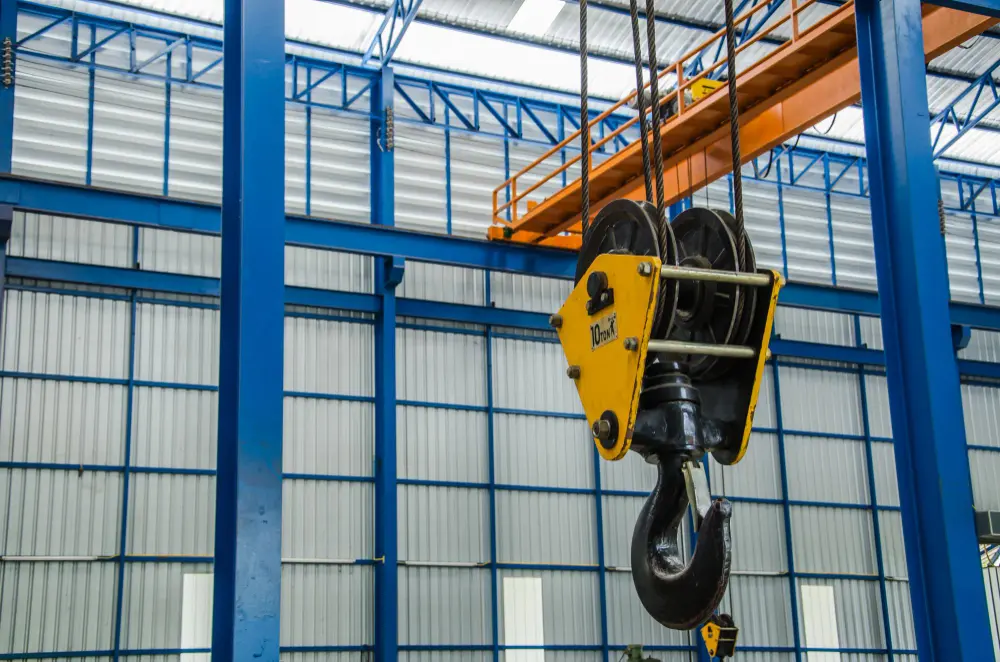
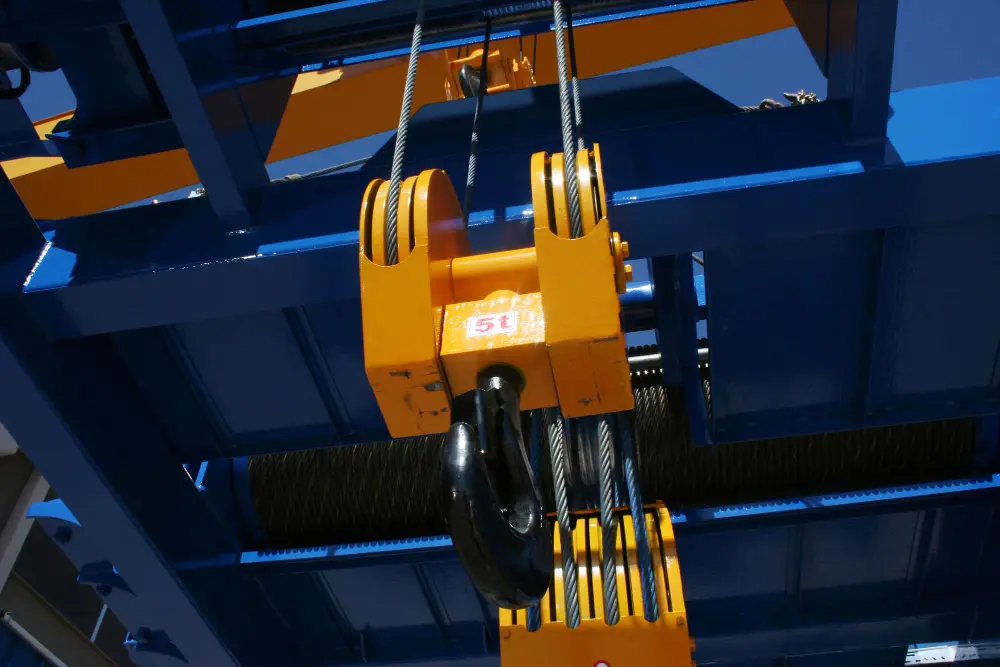
Six components generally make an overhead crane function: the bridge, the runway, the trolley, the hoist, the controls, and the structure supporting all of it. The bridge travels along runway rails fixed inside the building, while a trolley rides across that bridge carrying the hoist itself.
Operators run this through pendant controls, wireless remotes, or in bigger setups, an actual cabin. Since the crane can shift a load horizontally and vertically at once, positioning gets a lot more precise than most floor-level alternatives allow. What configuration makes sense comes down to headroom, distance the load travels, typical weight, and how many times a day the thing gets used. Three shifts of constant lifting call for something entirely different than occasional use during repair projects.
Crane Types and Why the Differences Matter
Overhead crane types aren’t interchangeable, despite how often they get treated that way in casual conversation. Bridge cranes show up most often across manufacturing and fabrication settings. A bridge spans two parallel runways so the hoist can cover a wide working area, and these come in single-girder or double-girder builds depending on required weight capacity and available span.
Jib cranes work differently. Instead of spanning a whole building, a jib rotates a horizontal arm off a wall-mounted or floor-mounted post, covering a much smaller radius. That smaller footprint makes jib cranes a natural fit near individual workstations or loading points where the same lift repeats over and over. Monorail systems follow a single fixed beam rather than moving freely. Painting lines and packaging operations lean on monorails specifically because the predictable path keeps material moving through a consistent sequence, not because they’re simpler or cheaper.
Gantry cranes break from the pattern entirely. They don’t need a building’s runway structure at all, running instead on freestanding legs along rails or wheels. Shipyards and outdoor storage yards use them constantly, mainly because a permanent structure isn’t always an option in those settings. Workstation cranes handle lighter-duty lifting, built with ergonomics in mind more than raw capacity. Packaging areas and smaller manufacturing cells use these to cut down on repetitive strain during constant component handling.
Industries That Depend on These Systems
Overhead cranes are widely used across different industries because they help move heavy materials safely and efficiently while improving workflow and reducing floor congestion. Manufacturing plants lean on cranes constantly, shifting raw materials, dies, and finished goods between production stages. Warehouses use them for inventory too heavy or awkward for standard handling equipment. Fabrication shops rely on overhead lifting throughout cutting, welding, and final assembly, since steel beams and heavy plates simply don’t move safely by hand.
Automotive assembly plants bring cranes in during engine installation and general line work. Utility companies use them when handling transformers and generators during installation or field repairs. Heavy equipment manufacturers depend on cranes to assemble large machinery sections that would otherwise take several workers and considerably more time to position by hand. No two of these environments share the same load types or space constraints, which is exactly why a one-size answer doesn’t exist here. Looking at actual workflow, not just a capacity number on a spec sheet, is what separates equipment that gets used from equipment that sits idle in the corner.
Matching Equipment to the Actual Job
Selecting industrial overhead cranes takes more thought than comparing weight ratings side by side. Capacity matters first, obviously, since undersizing creates real safety risk while oversizing just burns budget for no reason. Building dimensions narrow the field further: ceiling height, column spacing, and runway space all limit which setups are even physically possible. Usage frequency shifts things again. A facility running lifts across multiple shifts needs duty-rated equipment built for continuous use, not something meant for occasional jobs.
Growth plans are worth thinking through, too. A crane sized only for current output might need expensive modification the moment production ramps up. Bringing in people who understand both the equipment and the facility’s operational goals during planning tends to avoid these corrections later, when they cost far more to fix.
Keeping a Crane Reliable Once It’s Installed
Even the right crane, chosen carefully, still needs ongoing attention. Regular inspections catch wear, loose fittings, and alignment drift long before any of it turns into an actual failure on the floor. This is where crane repair services stop being an afterthought and become part of how a facility protects what it already paid for.
Fixing mechanical or electrical problems quickly keeps downtime from spreading into a bigger production delay. Inspection schedules also tie into OSHA expectations, though the exact timing depends on how hard the equipment gets used and how demanding the environment is. Wire ropes, hooks, brakes, hoists, end trucks, and electrical controls all need regular attention, since a problem in any single one of these areas tends to affect the whole system, not just that part.
When repairs do come up, working with technicians who actually know the equipment involved makes a measurable difference. Facilities running bridge cranes specifically benefit from timely bridge crane repair, since downtime there tends to ripple through an entire schedule rather than staying contained. Zo-Air supports facilities across the New York Metro area with inspection, installation, and repair work on overhead lifting equipment. Their technicians spend time understanding how a system actually gets used before building a service plan, rather than applying the same generic checklist to every customer.
Protecting What’s Already Been Installed
An overhead crane is a serious investment, and protecting it takes more than the initial purchase decision. Equipment selection matters, but so do operator training, consistent inspection habits, and a fast response when something needs fixing. Facilities that build inspections into their regular routine catch small problems before they turn expensive. Operator training matters here too, since teams who understand proper lifting technique and load control put less unnecessary strain on crane components, which stretches out equipment life and keeps the floor safer in the process.
Working with one experienced provider across the entire lifespan, selection through installation through ongoing service, keeps the process from fragmenting across too many vendors. Zo-Air stays involved at each of these stages, offering guidance built around how a customer’s operation actually runs day to day.
Conclusion
Getting overhead crane systems right starts with accepting that no single design works everywhere. Bridge cranes, jib cranes, monorails, gantry cranes, and workstation cranes each solve a different lifting problem, and the right one depends on building layout, load requirements, and daily use, not just a spec sheet number. Selection is only half the job, though. Ongoing inspection, quick repairs, and attentive service keep a system safe and productive for years past installation. Facilities that take both halves seriously, working alongside knowledgeable partners like Zo-Air, end up with equipment that actually supports operations instead of quietly working against them.
Frequently Asked Questions
What are overhead crane systems used for?
Overhead crane systems lift, transport, and position heavy materials inside industrial facilities. They show up constantly in manufacturing plants, warehouses, fabrication shops, and distribution centers, where they move materials without eating up valuable floor space.
What are the main overhead crane types?
The most common types include bridge cranes, jib cranes, monorail cranes, gantry cranes, and workstation cranes. Each one handles a different combination of working area, load size, and facility layout, so the right choice depends on the specific job at hand.
How do I choose the right overhead crane for my facility?
The right choice comes down to lifting capacity, available building space, how the crane fits into daily workflow, and how often it gets used. Talking with experienced professionals early in the process usually narrows things down faster than working through it alone.
Why are crane inspections important?
Regular inspections catch wear, loose components, and developing safety issues before any of them cause an actual failure. They also help facilities stay aligned with OSHA expectations while keeping lifting operations reliable over the long run.
When should crane repair services be scheduled?
Repair services should be scheduled as soon as an inspection turns up worn parts, unusual behavior, or any drop in performance. Handling these issues quickly limits downtime and keeps the whole system running safely.