Construction projects require dependable equipment to support different phases of work, from site preparation and structural assembly to equipment installation and material handling. Whether the project involves commercial construction, manufacturing facilities, infrastructure development, or utility work, having access to the appropriate equipment helps contractors complete tasks efficiently while adapting to changing project requirements. However, purchasing every piece of equipment needed for a project is not always the most practical approach, especially when specialised equipment is only required for a limited period. This is why many contractors and industrial businesses choose industrial equipment rentals as part of their project planning strategy.
Industrial equipment rentals provide businesses with access to a wide variety of equipment without the long-term commitment of ownership. Depending on the project, contractors may require hydraulic torque tools, air compressors, generators, welding equipment, pneumatic tools, or lifting equipment at different stages of construction. Renting allows businesses to select equipment that aligns with current project requirements while maintaining flexibility as work progresses. This approach supports organisations that manage projects of different sizes throughout the year while helping them respond to changing equipment demands.
Why Equipment Requirements Change Throughout Construction Projects
Every construction project presents its own operational requirements. A project involving structural steel installation may require specialised bolting equipment, while another may focus on material handling or temporary power generation. As projects move through different stages, the type of equipment required often changes as well. Purchasing equipment for every possible application may result in equipment that is only used occasionally, making rentals a practical alternative for many contractors.
Industrial equipment rentals allow businesses to obtain equipment when it is needed rather than maintaining a large inventory of specialised tools throughout the year. This flexibility can simplify equipment planning while allowing contractors to focus on meeting project schedules and operational objectives. It also allows businesses to adjust equipment selections if project requirements change due to scheduling updates, additional work, or changes in project scope.
Supporting Construction Projects with the Right Equipment
Construction activities often involve multiple tasks taking place at the same time. Material handling, equipment installation, fabrication, fastening, welding, and temporary power generation may all be required during different phases of the project. Having access to equipment that aligns with these activities helps contractors organise work more effectively while supporting daily operations on the job site.
Rental equipment is commonly used across commercial construction, manufacturing facilities, utility projects, warehouses, fabrication shops, and industrial installations because each project has different operational needs. Rather than relying on a single piece of equipment for every application, contractors can select equipment that matches the work being performed. This flexibility supports a wide range of industrial applications while allowing project teams to respond to changing site conditions.
Businesses looking for industrial tools and equipment often benefit from working with an experienced equipment provider that offers a broad range of rental solutions. Access to different equipment categories allows contractors to identify equipment that aligns with lifting requirements, bolting applications, fabrication work, and temporary project needs.
Flexibility for Short-Term and Long-Term Projects
Not every project follows the same timeline. Some construction activities may be completed within a few days, while larger commercial developments or industrial installations may continue for several months. Industrial equipment rentals allow businesses to match equipment availability with project schedules instead of purchasing equipment that may remain unused after the work is complete.
This flexibility is especially valuable for contractors managing several projects throughout the year. Equipment can be arranged according to the needs of each job, making it easier to allocate resources where they are required. As one project concludes and another begins, rental equipment allows businesses to adjust equipment selections without expanding their permanent inventory.
Temporary equipment requirements are also common during planned shutdowns, facility upgrades, equipment replacements, and expansion projects. Renting specialised equipment for these applications provides contractors with practical options while supporting efficient project planning.
Access to Equipment for Different Industrial Applications
Construction projects often require specialised equipment that is selected according to the type of work being performed. Hydraulic torque tools may be needed for controlled bolting applications, while generators provide temporary power for locations where permanent electrical service is not yet available. Air compressors, welding equipment, and pneumatic tools are also frequently used across construction and industrial environments, depending on project requirements.
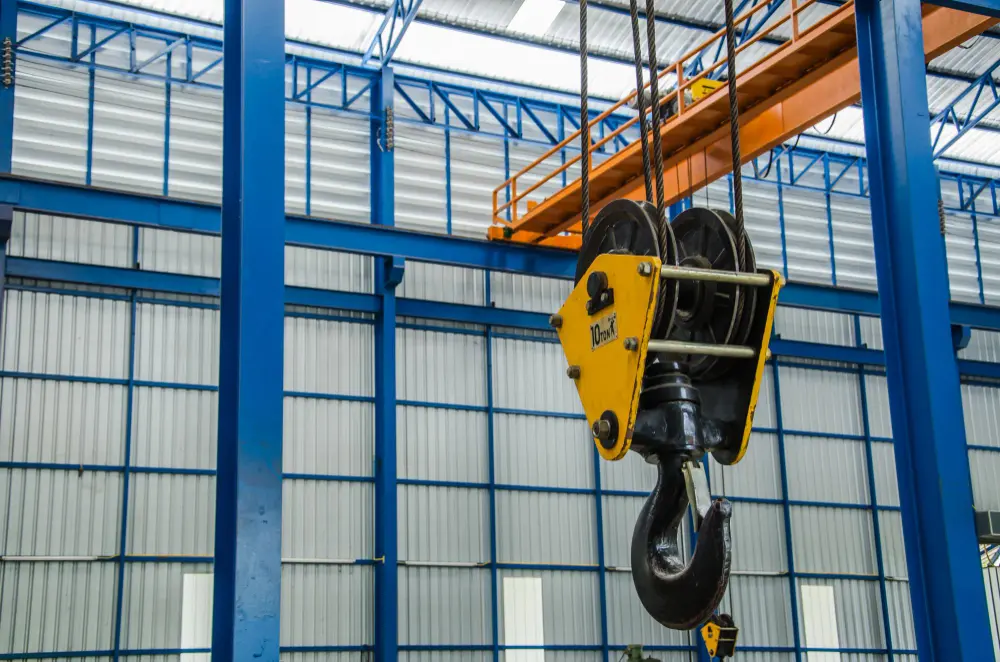
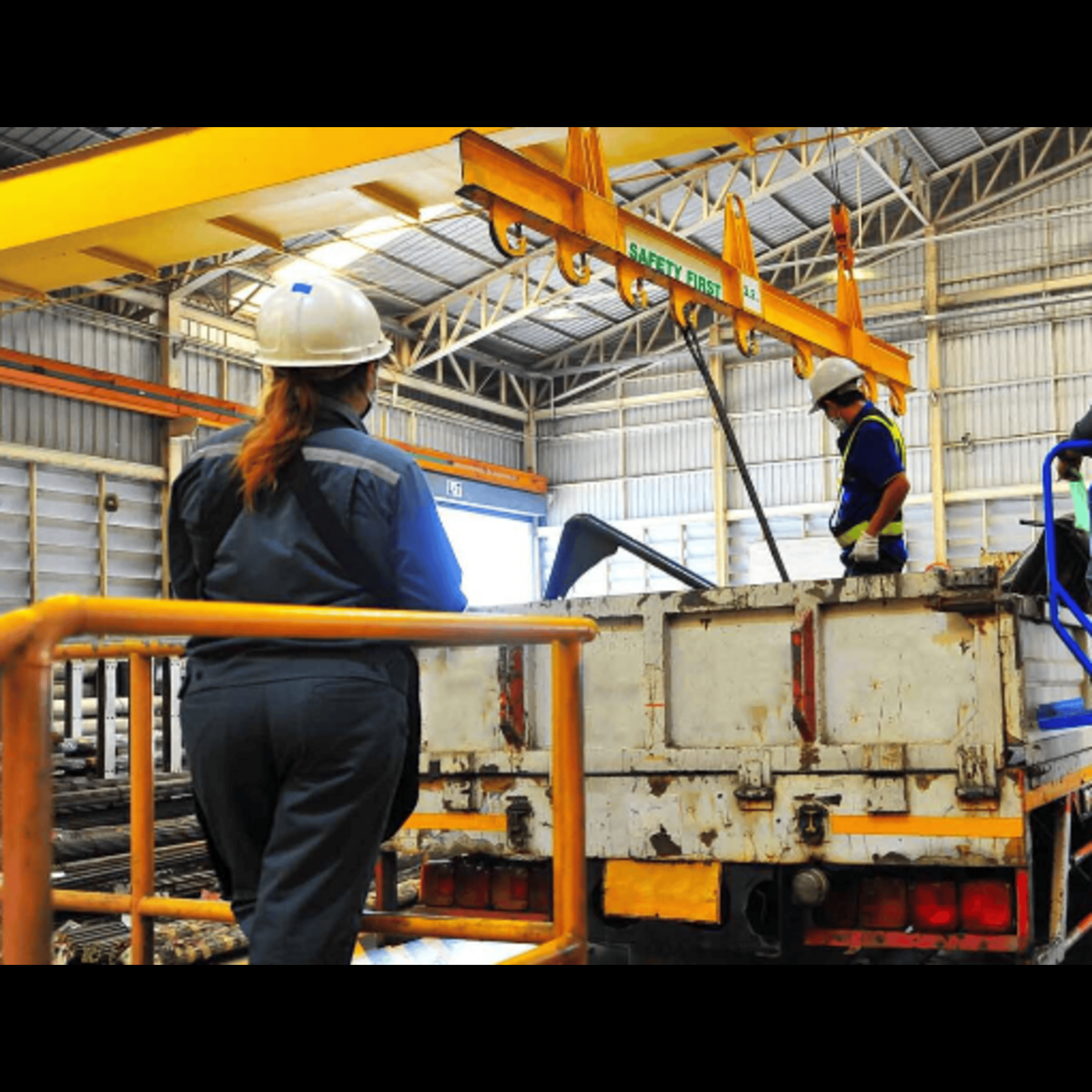
Lifting equipment is another important part of many construction projects. Electric chain hoists, bridge cranes, and other lifting systems support equipment installation, machinery positioning, and material handling throughout industrial facilities and commercial projects. Contractors working with existing lifting systems may also schedule hoist inspection or bridge crane inspection services to evaluate equipment before or during project activities. Access to both equipment rentals and related industrial services allows businesses to work with a single provider for multiple project requirements.
Supporting Efficient Equipment Planning
Successful construction projects depend on effective planning, and equipment selection plays an important role in that process. Before arranging rental equipment, contractors typically evaluate factors such as project duration, equipment capacity, lifting requirements, available power sources, and operating conditions. Understanding these details helps businesses choose equipment that aligns with the work being performed while supporting efficient project coordination.
Working with an experienced equipment provider can also simplify the selection process. Knowledgeable teams can assist contractors in identifying equipment that fits the operational requirements of the project while considering factors such as equipment compatibility, job site conditions, and planned work activities. This guidance allows businesses to make informed decisions when selecting rental equipment for industrial and commercial applications.
Choosing an Equipment Provider That Understands Your Project Requirements
Selecting an equipment provider involves more than simply arranging a rental. Construction projects often have specific operational requirements, and working with an experienced provider can make the equipment selection process more straightforward. A knowledgeable team can discuss factors such as lifting capacity, project duration, operating conditions, and the type of work being performed before recommending suitable equipment. This approach helps contractors identify equipment that aligns with the demands of the project while supporting efficient day-to-day operations.
An experienced provider can also assist with equipment compatibility, particularly when rental equipment will be used alongside existing systems. For example, contractors using hydraulic bolting equipment may also require hydraulic torque tools that fit the application, while projects involving overhead lifting equipment may benefit from services such as hoist inspection or bridge crane inspection before equipment is placed into operation. Working with one provider for multiple equipment needs can simplify planning throughout different phases of the project.
Planning Ahead for Equipment Rentals
Early planning is one of the most effective ways to support a successful construction project. Before arranging industrial equipment rentals, contractors should review the scope of work, expected project duration, equipment specifications, and operating environment. Understanding these factors in advance allows equipment providers to recommend rental solutions that align with project requirements and expected workloads.
Project schedules may also influence equipment selection. Some construction activities require equipment for only a few days, while others continue over several weeks or months. Discussing project timelines with the equipment provider allows rental periods to be planned around the construction schedule. This approach supports better coordination between contractors, suppliers, and project teams while helping equipment remain available when required.
Communication is another important part of the planning process. As project requirements change, businesses may require different equipment capacities or additional tools to support new activities. Maintaining regular communication with the equipment provider allows adjustments to be made as projects progress, giving contractors the flexibility to respond to changing site conditions without disrupting planned work.
Supporting a Variety of Construction and Industrial Applications
Industrial equipment rentals support a broad range of construction and industrial activities throughout the year. Commercial contractors often require temporary equipment during building projects, while manufacturers may arrange rentals during facility upgrades or production expansions. Utility companies, warehouses, fabrication shops, and infrastructure contractors also rely on rental equipment for specialised applications that vary from project to project.
Hydraulic torque tools are commonly used during industrial bolting applications, particularly where controlled fastening is required for structural assemblies or equipment installation. Air compressors and pneumatic tools support a variety of construction activities, while generators provide temporary power where permanent electrical service is unavailable. Lifting equipment such as electric chain hoists also plays an important role in material handling, equipment positioning, and installation work across many industrial environments.
Because each project has different operational requirements, rental equipment provides contractors with the flexibility to select equipment that aligns with the work being performed rather than relying on permanently owned equipment for every application.
Why Businesses Choose Zo-Air
For more than 40 years, Zo-Air has supplied industrial tools and equipment to contractors, manufacturers, utility companies, commercial facilities, and industrial businesses throughout the NY Metro area. The company provides equipment rentals, sales, calibration, inspections, and repair services for a wide range of industrial applications. This combination of equipment and technical services allows customers to work with a single provider for multiple project requirements.
Whether a project requires hydraulic torque tools, generators, air compressors, welding equipment, pneumatic tools, or lifting equipment, Zo-Air works with customers to help identify equipment that aligns with their operational requirements. The experienced team understands that every project is different and supports businesses by providing practical equipment solutions for construction, manufacturing, utility, and commercial applications.
Final Thoughts
Construction projects rarely have identical equipment requirements. Project scope, duration, work environment, and operational objectives all influence the type of equipment needed at different stages of the job. Industrial equipment rentals provide businesses with a practical way to access specialised equipment while maintaining flexibility throughout the construction process. Rather than investing in equipment that may only be used occasionally, contractors can arrange rental solutions that align with the specific requirements of each project.
Planning ahead, understanding equipment requirements, and working with an experienced provider all contribute to a more organised equipment rental process. As projects evolve, rental equipment allows businesses to adapt to changing workloads while supporting construction activities across commercial, industrial, and utility sectors.
If your business is planning a construction project in the NY Metro area, Zo-Air provides industrial equipment rentals along with calibration, inspection, and repair services for a wide range of industrial equipment. Our experienced team works with contractors and industrial businesses to help identify equipment that aligns with project requirements and supports a variety of construction and industrial applications.
Frequently Asked Questions
What are the advantages of industrial equipment rentals for construction projects?
Industrial equipment rentals provide contractors with access to specialised equipment for temporary or project-specific applications. Renting allows businesses to select equipment that aligns with project requirements without making a long-term equipment purchase.
Which types of equipment are commonly rented for construction projects?
Construction projects commonly use rental equipment such as hydraulic torque tools, air compressors, generators, welding equipment, pneumatic tools, and lifting equipment depending on the scope of work and project requirements.
How do contractors choose the right rental equipment?
Equipment selection is typically based on factors including project duration, equipment capacity, operating environment, available power sources, and the specific tasks being performed. Discussing these requirements with an experienced equipment provider helps identify suitable rental options.
Can industrial equipment rentals support short-term and long-term projects?
Yes. Rental equipment is commonly used for projects lasting a few days, several weeks, or several months. Contractors can arrange equipment according to the expected project schedule and operational requirements.
Does Zo-Air provide industrial equipment rentals in the NY Metro area?
Yes. Zo-Air provides industrial equipment rentals, sales, calibration, inspection, and repair services for contractors, manufacturers, utilities, and commercial businesses throughout the NY Metro area.