If you’re working in construction, manufacturing, utilities, or any heavy-duty industry, your equipment is the backbone of your operation. But what happens when that equipment suddenly fails? Delays. Downtime. Even in dangerous situations. That’s why hoist inspections aren’t just recommended, they’re essential.
Whether you’re using hoists every day or renting them for specific projects, keeping them in top condition is critical. Inspections catch small problems before they turn into big ones. And when it comes to lifting equipment, one missed issue can have serious consequences.
Let’s take a closer look at how hoist inspections play a big role in preventing failures, improving safety, and keeping your projects on track.
What Is a Hoist Inspection?
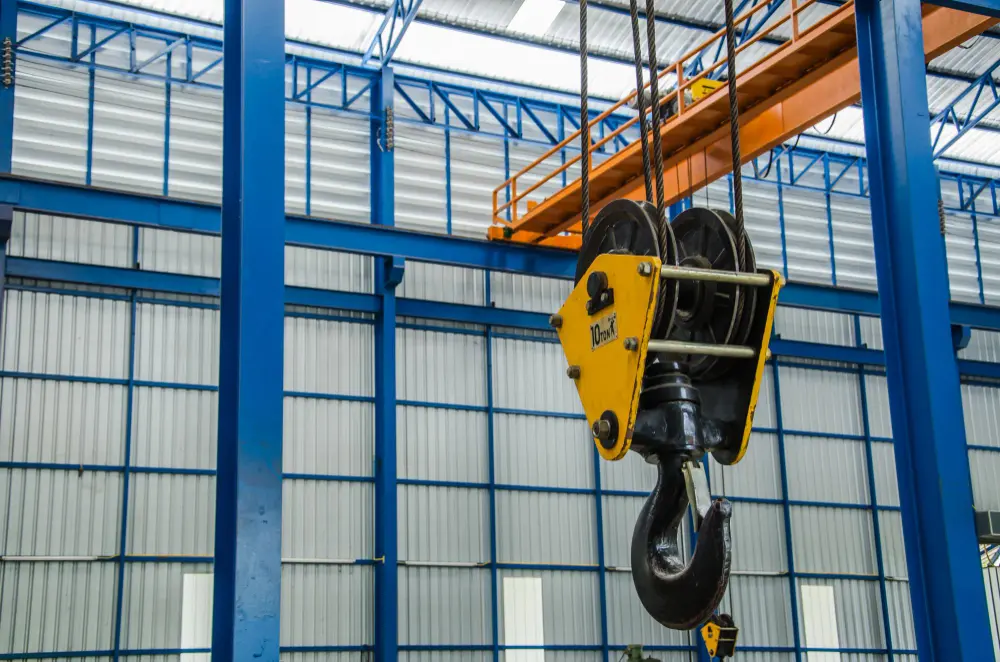
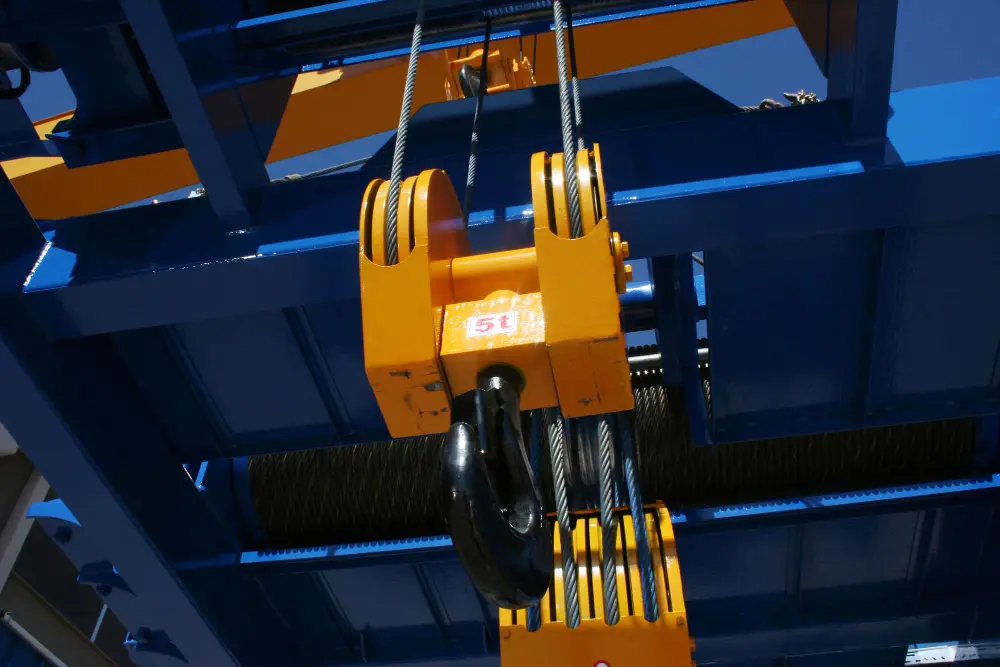
A hoist inspection is a thorough check-up of lifting gear such as manual hoists, air-powered hoists, or electric chain hoists. It’s intended to ensure that everything is functioning correctly, from the load chain to the brake mechanisms.
Inspections may be visual or hands-on and will typically include:
- Checking for wear and tear
- Ensuring brake operation and load chain status
- Inspecting for corrosion, cracks, and misalignments
- Testing controls and electrical components
- Ensuring that all of it complies with OSHA regulations
At Zo‑Air, certified inspectors inspect using calibrated equipment. They don’t take a superficial look; they take time to ensure that each component is functioning safely and correctly.
Why Hoist Inspections Are So Important
You could be saying, “The hoist was in good working order yesterday. Why check it today?” The point is: equipment wears out without giving a telltale sign. And when you’re talking about heavy loads, a small problem can become a spectacular failure very rapidly.
Here’s how the daily hoist checks save you money:
1. Catch Wear Before It Gets Dangerous
Hoists are built tough, but nothing lasts forever. Over time, chains stretch, gears wear, and components loosen. Routine inspections help catch these problems early so they can be fixed before failure occurs.
2. Stay OSHA Compliant
Regulations are important particularly if you’re in New York, New Jersey, or where there’s a need for regular equipment certifications. Being non-compliant with OSHA’s standards will invite penalties, shutdowns, or even worse. Regular inspections keep you on the right side of the law.
3. Prevent Costly Downtime
When a hoist fails midway through a job, all work comes to a standstill. You’re wasting time, money, and productivity. A routine inspection prevents these unwelcome breakdowns by catching issues before they bring you to a halt.
4. Safeguard Your Crew
This one’s a big deal. Safety should always be the top priority. A faulty hoist exposes your crew to danger. Regular inspections are what ensure your equipment is safe and provide your team with confidence that they can work without fear.
What About Rented Hoists?
If you’re not working with your own gear, you may be renting. That’s completely okay and usually the most intelligent decision for temporary or specialty work. Renting electric chain hoists is a wonderful idea when you need power and accuracy without making a purchase commitment.
But there’s a catch: party rental gear must be in prime condition.
At Zo‑Air, each rental piece of equipment, including electric chain hoists for rent, is thoroughly inspected before it ever sees your job site. That’s how you get gear that is safe, certified, and ready to go. No surprises. No breakdowns.
Renting or owning hoist inspections are always a good idea.
How Often Should You Inspect Your Hoists?
The answer depends on how often you use them, how heavy the loads are, and the environment you’re working in. But in general:
- Daily visual checks should be part of your normal routine
- Frequent inspections (monthly or quarterly) catch wear over time
- Periodic inspections (annually or biannually) provide a deep dive
And if anything seems off, weird noises, jerky movements, or signs of wear, it’s better to schedule an inspection immediately.
Need help figuring out the right schedule? Zo‑Air can help you build a custom inspection plan based on your industry, equipment, and worksite needs.
Signs Your Hoist Might Need Attention
Even if you’re doing regular checks, it’s good to stay alert for these red flags:
- Slipping or unresponsive controls
- Chains that feel rough or sticky
- Unusual sounds like grinding or clicking
- Loads that sway or shift more than normal
- Visible damage to hooks or safety latches
If you notice any of these signs, don’t wait. Schedule a hoist inspection and avoid bigger headaches later on.
Make It Part of Your Safety Culture
Inspections shouldn’t be an occasional thing. They should be part of your safety-first culture. Train your crew to perform quick visual inspections before each shift. Monitor service logs. And ensure everyone is aware of what to check for.
It’s also intelligent to team up with specialists. That way, you receive complete reports, precise testing, and reliable advice, not merely a quick glance.
Firms like Zo‑Air are experts at keeping you ahead of issues. They provide complete hoist inspections, rental options, and even emergency repair if something goes wrong in advance.
Their staff is aware of what to search for and how to make your equipment secure, certified, and efficient.
Conclusion
Hoists are workhorses. They lift the heavy stuff so your team doesn’t have to. But just like any machine, they need care, attention, and regular check-ups to keep doing their job safely.
Whether you’re using your own gear or relying on electric chain hoists for rent, proper inspections make all the difference. They help you avoid breakdowns, protect your crew, and keep your projects running smoothly.
Ready to prevent costly equipment failures? Contact Zo‑Air now to schedule a professional hoist inspection or learn more about safe, reliable electric chain hoists.