Overhead Rail Crane Maintenance: Safety, Compliance, and Reliability
Most industrial operations rely on overhead rail cranes to move heavy loads efficiently and reduce manual labor. These systems are indispensable in manufacturing plants, warehouses, and assembly facilities—but they are only as safe as they are well maintained. Keeping an overhead rail crane in proper working condition isn’t just about fixing visible issues; it’s about preventing accidents, ensuring compliance, and protecting both workers and assets.
According to OSHA data, thousands of crane-related injuries occur each year, many stemming from mechanical failure or inadequate maintenance. This is why structured maintenance programs and timely service—often linked with monorail crane repair—play a critical role in maintaining a safe workplace.
Why Maintenance Is Critical for Overhead Rail Cranes
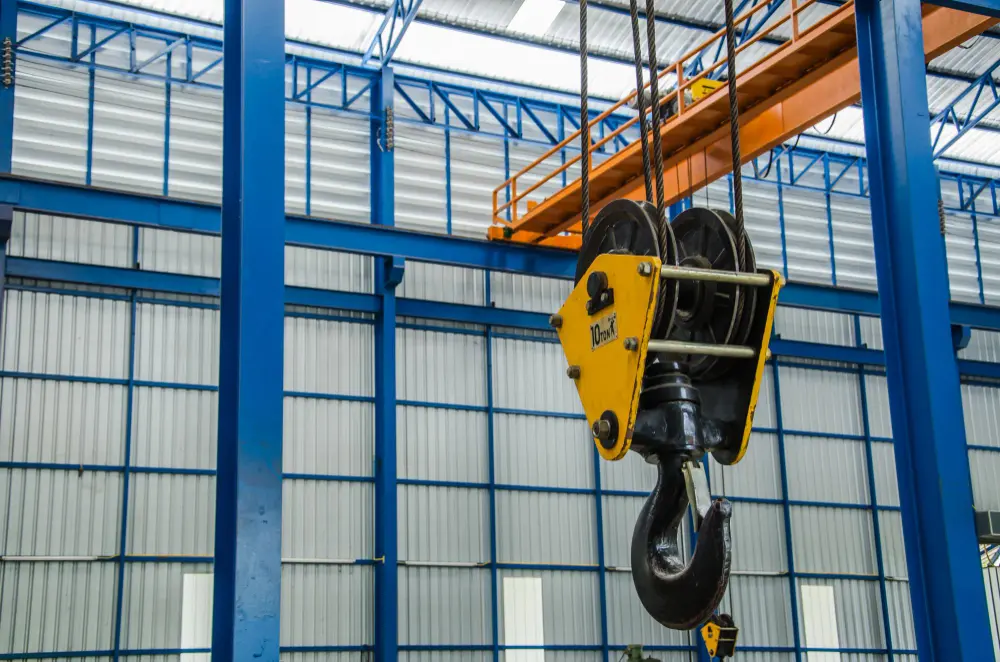
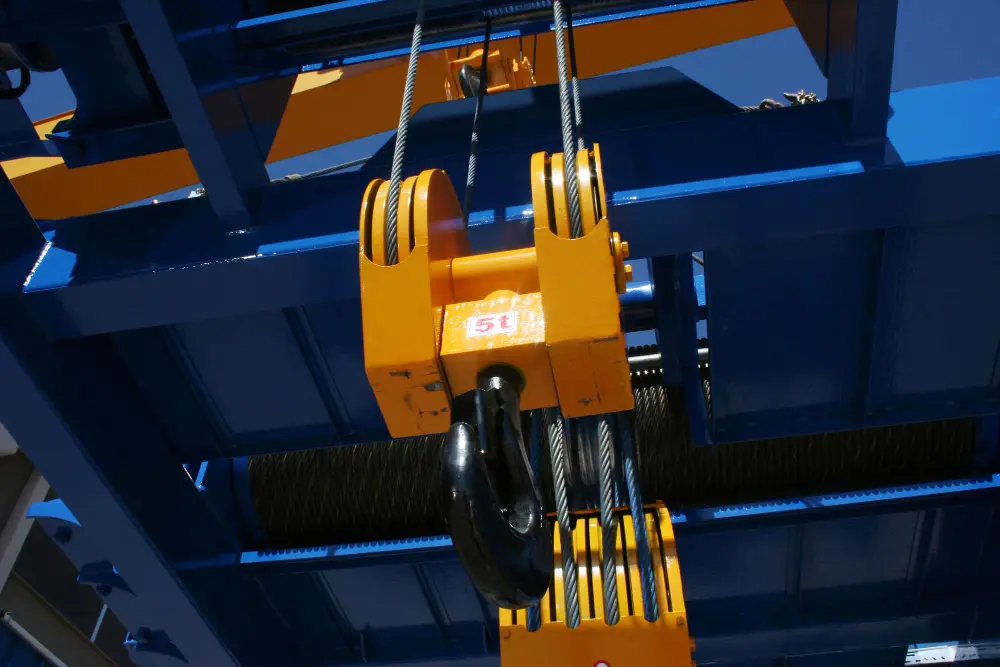
Overhead rail cranes consist of multiple interdependent components, including trolleys, hoists, rails, motors, electrical controls, and safety devices. When even one of these components begins to fail, the entire system can become unpredictable.
Routine maintenance ensures:
- Smooth load movement without sudden jerks or stops
- Accurate load positioning
- Reduced wear on rails and wheels
- Early detection of hidden mechanical or electrical faults
Without consistent care, minor defects can escalate into serious safety hazards, equipment damage, or costly downtime.
Key Regulations Governing Crane Maintenance
Several organizations establish strict guidelines for crane operation and upkeep, including OSHA, ANSI, and CMAA. These standards outline inspection frequency, maintenance procedures, and documentation requirements.
Maintenance programs typically include:
- Initial inspections after installation or major modification
- Frequent inspections performed daily, weekly, or monthly
- Periodic inspections conducted annually or semiannually
Each inspection level serves a distinct purpose. Frequent inspections identify visible wear or operational issues, while periodic inspections involve deeper evaluation of structural integrity, mechanical alignment, and electrical systems.
How Preventive Maintenance Reduces Accidents
Preventive maintenance is one of the most effective ways to avoid crane-related incidents. Addressing worn components early—such as rails, wheels, hooks, or limit switches—prevents load instability and uncontrolled movements.
Properly maintained cranes:
- Operate smoothly and predictably
- Reduce operator hesitation and error
- Minimize shock loading on rails and supports
- Extend the service life of expensive components
Operators are more confident using equipment they trust, which further reduces the likelihood of mistakes during lifting operations.
Common Risks When Maintenance Is Ignored
Neglecting maintenance can have serious consequences. Rails may develop alignment issues, trolleys may bind, and hoists may fail under load. Electrical malfunctions can lead to delayed stopping or unintended movement, placing workers directly in harm’s way.
In real-world incidents, investigations often reveal that a failed component had shown warning signs long before an accident occurred. These failures result not only in injuries but also in regulatory penalties, lawsuits, and prolonged production shutdowns.
Benefits of Professional Crane Maintenance Services
While some basic checks can be performed in-house, professional service ensures a higher level of reliability. Certified technicians have the training and tools to identify subtle issues that are easily overlooked.
Professional maintenance provides:
- Accurate load testing and system verification
- Proper adjustment of rails and trolleys
- Electrical diagnostics and control calibration
- Compliance with OSHA and ANSI standards
Regular professional servicing also protects your investment by extending equipment lifespan and reducing unexpected repair costs.
Best Practices for Improving Crane Safety
Organizations can significantly improve safety by adopting a layered approach to maintenance:
- Daily visual checks by operators
- Scheduled inspections by maintenance personnel
- Periodic professional evaluations by certified technicians
Keeping detailed records of inspections and repairs is just as important as performing the work itself. Documentation demonstrates compliance and helps track recurring issues.
Operator training is equally critical. Workers should be trained not only on proper crane operation but also on recognizing early warning signs such as unusual noises, vibrations, or irregular movement.
How Zo-Air Supports Safer Crane Operations
Selecting the right service partner is essential for reliable overhead rail crane maintenance. Zo-Air provides inspection, maintenance, and repair services that align with OSHA and ANSI requirements across New York and New Jersey.
Their experienced technicians understand how to:
- Identify early-stage failures
- Restore smooth and accurate crane movement
- Ensure systems meet regulatory and safety expectations
By addressing issues before they escalate, Zo-Air helps businesses reduce downtime, maintain compliance, and protect their workforce from preventable accidents.
Frequently Asked Questions
Maintenance frequency depends on usage intensity and operating conditions. Light-use cranes may require less frequent servicing, while high-cycle or harsh-environment cranes need more frequent inspections and maintenance. A structured schedule combining daily checks, routine inspections, and annual evaluations is recommended.
Common wear items include rails, trolley wheels, hoist chains or wire ropes, hooks, brakes, and electrical contacts. These components experience constant stress and should be monitored closely for signs of fatigue or misalignment.
Basic inspections can be handled internally, but specialized maintenance and repairs should be performed by trained professionals. Certified technicians have the expertise and equipment to conduct load testing, electrical diagnostics, and compliance verification.
Proper maintenance ensures cranes meet OSHA and ANSI standards. Inspection records and service documentation are often required during audits or investigations, making consistent maintenance essential for legal protection.
Preventive maintenance reduces unexpected breakdowns, lowers repair costs, improves safety, and extends equipment lifespan. It also supports smoother operations and minimizes disruptions to production schedules.