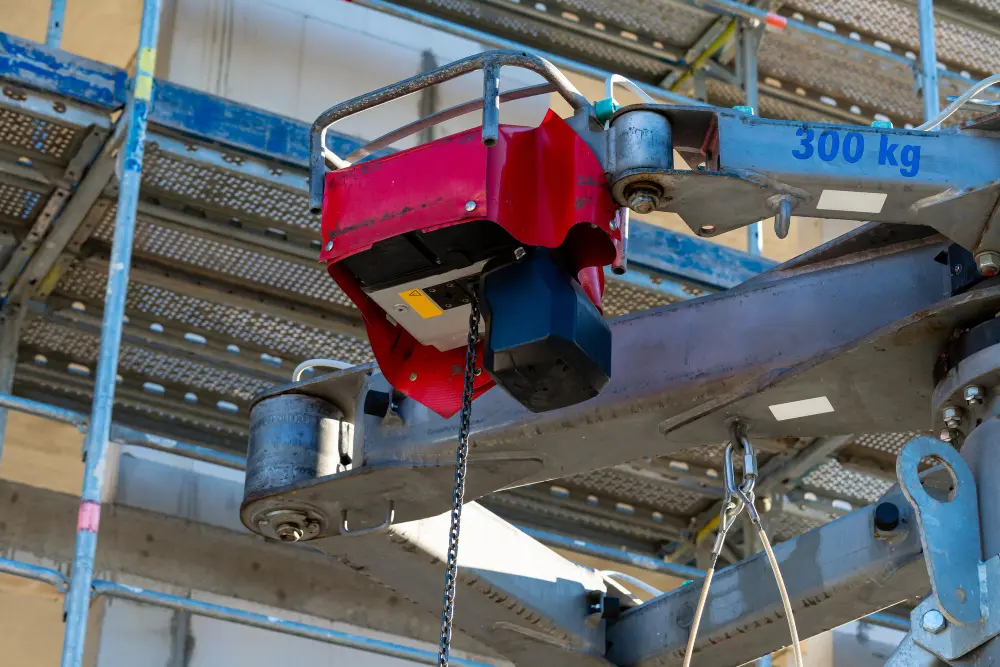
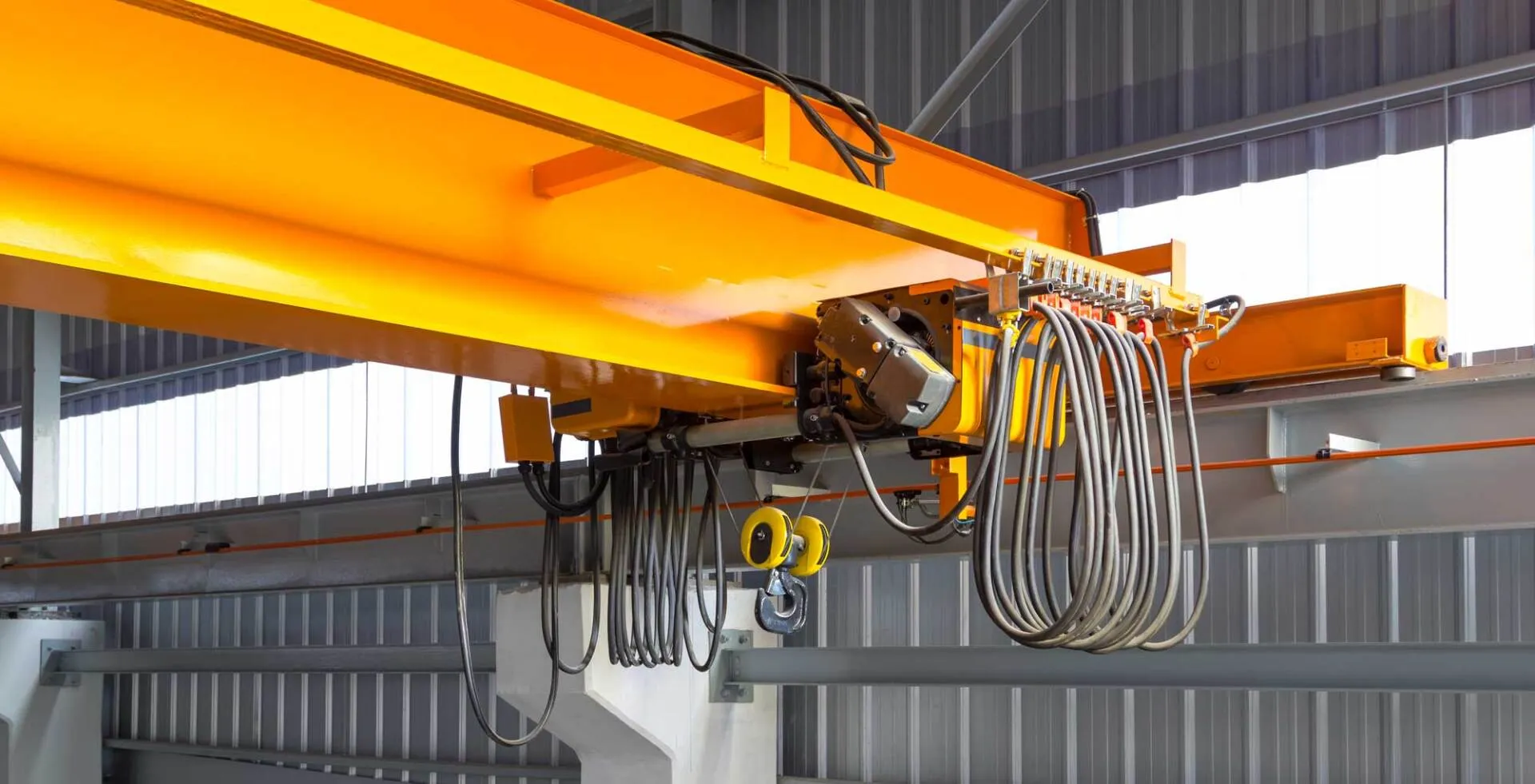
Ever had to lift something serious, say a 2-ton gearbox, but there’s no power nearby, barely any clearance, and no room for error? That’s where a good CM manual hoist earns its keep. In a world filled with high-tech tools, these rugged, no-nonsense lifters still shine, especially in confined spaces, tight budgets, or when simplicity matters more than specs.
This article walks through the CM Hurricane 360, Chester, and Coffing options, highlighting how their superior engineering, durability, and portability make them the go-to choice for shop floors, mezzanines, and tough field work. You’ll get insight into manual chain hoists, including the classic Series 602 and 603, plus how to match features to applications that demand efficiency and easy installation.
We’ve been doing this for over 40 years at Zo-Air, helping crews stay safe, stay compliant, and keep gear moving in all the right directions. Let’s dig into what makes these hoists work so well.
Manual Hoist Basics and Key Models
When you’re mid-lift and need gear that just works, manual hoists are a go-to. No batteries. No wiring. Just pull and lift.
Hand Chain Hoists for Everyday Tasks
Sometimes, simple gets the job done. A CM hand chain hoist doesn’t need much space or much explanation. You hook it up, pull the chain, and your load moves cleanly. That’s it. They’re lightweight, easy to install, and hold their own in tight spaces where big gear doesn’t fit. If you’re dealing with occasional lifts in shops, mezzanines, or mid-shift maintenance, these hand chain hoists are solid. And they’re built tough, with that one-of-a-kind hand chain cover that keeps things smooth, even when conditions aren’t.
Lever Hoists: Power Without Power
No outlet nearby? No problem. Lever hoists, give you pulling power anywhere. Just grip the handle and crank, ratchet-style. They’re faster than a hand chain in short-range lifts and perfect for tight, awkward jobs where alignment is off or space is tight. You’ll see them a lot in 2-ton applications or higher. They’re portable, surprisingly quick to set, and with features like a patented rotating chain cover, they’re easy to use, even in weird angles or confined corners. Power tools aren’t always practical; these hoists step in when you need grit, not gadgets.
CM Hurricane 360 vs Standard CM Series
Both of these get the job done, but they work a little differently. The Hurricane 360 is the more flexible of the two, while the standard CM series keeps things straightforward.
- Full 360-degree movement
This is where the Hurricane stands out. That rotating hand chain cover gives you freedom. You don’t have to stand in a perfect line to the load, just grab and pull from wherever you are. It’s especially useful in busy bays or cluttered work areas. - Ultra-low headroom design
When every inch matters, like under beams or in compact plant spaces, the Hurricane’s slim profile is a game-changer. You get more lift in less space. - Built for longer life
Both models are durable, no doubt. But the Hurricane’s engineering gives it a slight edge for higher-duty cycles. Its gearing holds up under repeated strain, which makes a big difference if you’re lifting all day.
If you’re doing light to medium lifts in open space, the standard CM Series is a workhorse. But if flexibility, tighter setups, or heavy rotation is your reality, the 360 pays off quickly.
Application Scenarios & Weight Capacity
Not every job calls for the same hoist. Here’s how these CM models stack up in real-world situations:
- In-shop lifts and maintenance setups
Need to move parts across the bay or lift gear during a quick maintenance call? A hand chain hoist from the CM series gives you control without overkill. - Tight staging zones or mezzanines
Working in a small footprint? The Hurricane Mini or a lever chain hoist can slip into tight spaces, especially when you’re staging gear or fitting parts into narrow spots. - 2-ton gearbox jobs or line changes
When the load’s heavier and you’re doing repeat lifts, like installing gearboxes or rotating equipment on a line, you want something that holds up. - Low headroom or awkward angles
This is where the rotating chain cover shines. The ability to pull from an angle without binding up makes your life a whole lot easier.
At the end of the day, it’s about choosing the right tool for the space, the load, and how often you’re lifting. Get that right, and the rest tends to fall into place.
Safety, Maintenance & Support
You don’t need a full-blown incident to realize something’s off with your hoist. A skipped inspection, a dry chain, a dragging brake, those little things? They add up fast. That’s why safety checks shouldn’t wait until something grinds to a halt mid-lift.
Regular Inspection Routines
Think of these like brushing your teeth, basic, but if you skip it for too long, you’ll feel it. Daily checks catch wear early. Is the chain pulling clean? Any slack in the hook latch? Is that ratchet clicking the way it should? These aren’t “extras”, they’re your first line of defense.
Chain Lubrication and Hand Chain Cover Care
Nobody loves greasing chains, but a well-lubricated pull is quieter, smoother, and easier on the hands. With gear like the Hurricane™ Mini 360°, you’ve got moving parts tucked into tight spaces, keeping that one-of-a-kind hand chain cover clean makes a big difference. If grit builds up, it can feel like pulling through sand. A 60-second wipe-down now beats an hour of downtime later.
Brake and Gear Checks
Brakes wear. Gears shift. If your hoist feels “off,” it probably is. And if you’re using it in tight spaces, under beams, in lifts with limited clearance, you don’t want to second-guess what happens when you stop. That’s why Zo‑Air includes on-site brake and gear inspections in our service calls. We show up, we calibrate, and we make sure it’s right before you need it.
Renting vs Buying CM Manual Hoists
Let’s be real, buying a hoist isn’t always the best call. It comes down to how often, how hard, and how predictably you’re lifting.
- Rent when the job’s short or the specs are uncertain
Need a hoist for a one-time install? Testing different lift configurations before committing? Renting lets you experiment without locking yourself into a setup that may not work down the line. - Own when the lifts keep coming
If your crew’s pulling chain daily, especially in industrial setups where 2-ton lifts are routine, owning starts to save real money. You don’t just get convenience. You get consistency. You keep the same tool, in the same condition, set up exactly how your team likes it.
Either way, Zo‑Air backs you up. We help configure the rig, tag it for compliance, and make sure your hook capacity matches your load needs. And when something breaks? We’re local. We show up. We fix it.
Cost, Value & Zo‑Air Advantage
Price tags tell one story. Downtime tells another. The real question isn’t how much a CM hoist costs; it’s what you’re spending when it doesn’t work.
If your chain hoist is out of commission and your team’s standing around waiting for a lift, that’s money burned. Same thing if you’re swapping in an undersized unit just to “make it work” for the day.
That’s where Zo‑Air changes the equation.
- We help you pick tools based on actual use, not just specs.
- We maintain your equipment on-site, so you’re not wasting time shipping gear out.
- We offer quoting support and fleet planning to help you balance cost and coverage over the long haul.
The gear matters. But the support behind it? That’s what keeps your projects moving. And that’s what we’ve built our business on: keeping lifting jobs simple, safe, and done right the first time.
Conclusion
CM manual hoists do a lot with a little. Whether you’re lifting a 2-ton gearbox in a confined corner or staging parts in a low-clearance bay, they offer simplicity, control, and surprisingly efficient muscle. Models like the CM Hurricane 360 and Chester hoists have earned their place for a reason; they’re durable, easy to install, and built for real-world work.
That said, even the best manual chain hoists have their trade-offs. They take time. They need upkeep. And when you’re scaling up or rotating jobs fast, the cost of downtime, setup, and repeat maintenance can quietly add up.
That’s where we come in. At Zo-Air, we don’t just offer gear, we help you choose smarter, safer options from day one. Our inspection, repair, and setup support keeps your crew working instead of waiting. Want to avoid overbuying, underperforming, or wasting time on the wrong lift? Get a Free Quote Today, and let’s make your next lift the right one.