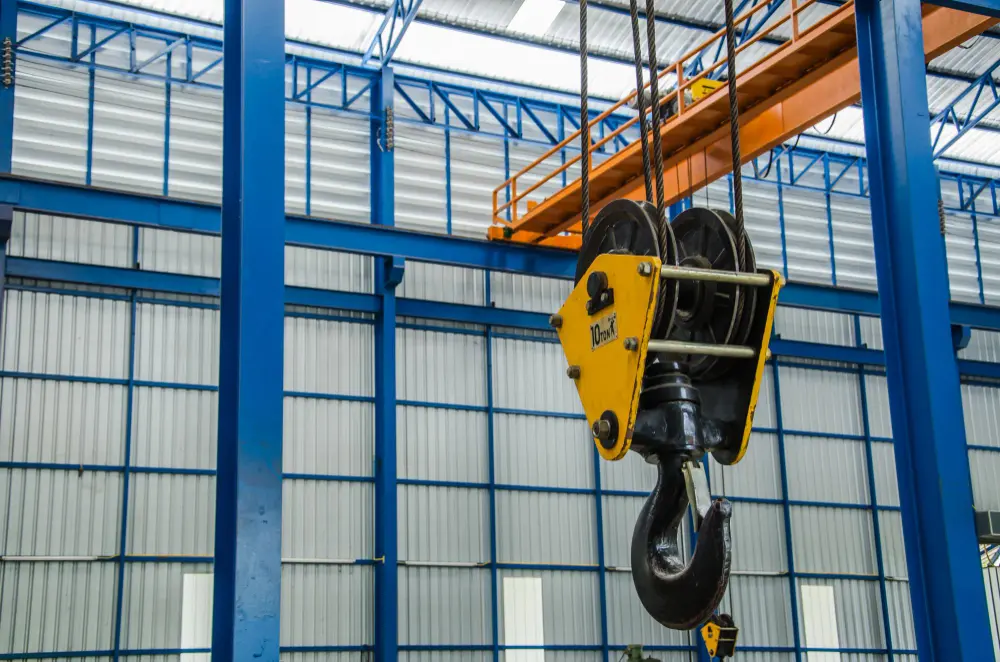
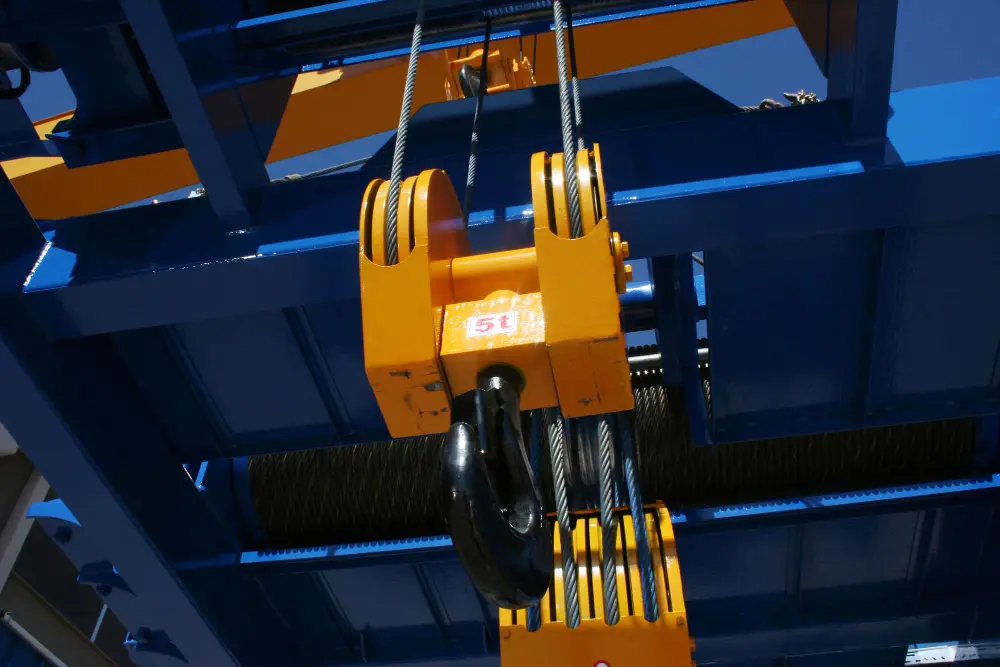
What do you trust when it’s just you, a lifter, and a few inches of headroom to work with? In tight spaces and high-pressure moments, the gear matters, and so does knowing exactly how to use it. Whether you’re resetting steel beams or adjusting load angles mid-lift, a well-matched Harrington manual hoist can be the difference between a job done right and a job done twice.
At Zo‑Air, we don’t just supply gear, we support decisions that affect safety, budgets, and workflow. With over 40 years of hands-on experience in tool inspection, repair, and consultation, we’ve earned our reputation one hoist at a time. From first quote to final lift, we’re here to help you move smarter.
Let’s take a closer look at how to choose, use, and maintain the right hoist for the job.
1. Understanding Harrington Hand‑Chain vs Lever Hoists
Not every job calls for the same kind of lift. Sometimes you need something compact and smooth. Other times, you just need raw pulling power in a tight spot. That’s where understanding the difference between a hand chain hoist and a lever hoist really matters.
CF & CB Hand‑Chain Hoists
The CF and CB series from Harrington are what you reach for when headroom is limited and control matters. They’re compact, lightweight, and built to run smoothly thanks to a Weston-style braking system that keeps load control in your hands. These hoists shine in low-cycle applications where you’re not moving thousands of pounds every hour, but when you do lift, you need it to be precise.
On a tight beam, paired with a manual trolley, a CF hand chain hoist can be a workhorse. These models don’t just fit into cramped overhead spots; they’re designed for them. That makes them a natural match for overhead bridge cranes in facilities where clearance is tight or for a low-headroom navy trolley hoist setup.
At Zo‑Air, we’ve seen these hoists used everywhere from maintenance departments to small-batch production floors. And when they’re paired with a load leveling beam or adjustable lifting beam, that precision gets even better.
LB & LX Lever (Come‑Along) Hoists
Then there’s the lever hoist, what most people call a come‑along. These are the tools that don’t care what angle you’re working at. Need to rig from a weird position or pull something into alignment on-site? A lever hoist gets it done without a power source.
The LB model packs serious lifting power, especially in the 2-ton range, while still being portable enough to move around with you. The LX is more compact but doesn’t skimp on performance. Both are strong choices for teams that need flexibility and a lot of pulling force in the field.
We’ve worked with clients who mount LX lever hoists onto spreader beams or use them during shutdowns for positioning valves, panels, or custom machinery. Their simplicity makes them dependable. And because they don’t need electricity or air, they’re ideal for environments where spark resistant setups are required.
When to Add a Trolley
A hoist without a trolley is like a drill without bits; it might work, but it won’t do the whole job. If you need to move heavy loads horizontally, whether that’s along a beam, inside a crane system, or under a jib crane, the right trolley turns a static lift into a fluid operation.
That doesn’t mean every setup needs a motorized system. The best choice depends on how often you move the load, how precise you need to be, and how much effort you want to spend doing it.
- Push trolleys
These are the simplest ways to add mobility. You guide the load by hand. No motors, no gears. They’re ideal for occasional use, like in a service bay or workshop where repositioning happens a few times a day. Zo‑Air often installs PT push trolleys in light-duty applications or as part of manual entertainment hoists, where silent, smooth operation is key. - Geared trolleys
If you’ve ever tried to nudge a load into place with a push trolley and got frustrated, this is your fix. Geared trolleys add a hand chain system so you can move a suspended load more precisely without tugging it manually. They’re especially helpful when aligning components under overhead bridge cranes or setting up delicate gear. GT geared trolley setups are a staple on heavier jobs where control matters more than speed. - Motorized trolleys
Here’s where things go automatic. For repetitive lifting and moving, think manufacturing, packaging, or anything on a line, a motorized trolley saves time and shoulders the load for your crew. Zo‑Air configures systems with MR, MRQ, or even SMRQ motorized trolleys that integrate with electric hoists. We make sure the speed, power, and clearance match the actual workflow, not just what looks good on paper.
We’ve helped clients rework setups using trac chain hoists and EQ electric hoists on motorized trolleys, reducing manual strain while improving throughput. The bottom line? You don’t just need a hoist, you need a setup that works the way your team does.
Key Specs & Hoist Selection
There’s no one-size-fits-all when it comes to hoists. What works in a clean-room facility doesn’t hold up in an outdoor utility yard. That’s why understanding your specs upfront can save money, downtime, and a whole lot of backtracking later.
Start with the basics. Then build up based on your real-world use case.
- Capacity (½ to 5 tons):
It might sound obvious, but we’ve seen too many people spec a hoist for average loads, not peak ones. That’s a mistake. If your top load is 4,500 lbs, don’t risk a 1‑ton model. Zo‑Air can help you dial in the safe working load rating to avoid undershooting or overspending. - Headroom:
This is one of the most overlooked specs until it becomes a problem. If you’re working under a mezzanine or tight ceiling, you need a low headroom option. Hand chain mini hoists and manual trolley hoists are built for this. A CF hand chain hoist or low-profile electric chain setup gives you more lift in less space, especially if you’re using something like a roll lifting beam or c-hook. - Cycle rate and frequency:
If you’re lifting every hour, you want something that’s up for it. Lever hoists like the LB handle high-cycle use well. For less frequent lifts, hand chain hoists save cost and complexity. Zo‑Air often advises clients to match the duty cycle with the actual workload, not just what’s written on a spec sheet.
By grounding your decision in capacity, headroom, and frequency, you’re building a system that lasts. Whether it’s an SNER electric hoist on a geared trolley or a spark-resistant manual option for tight spaces, we help fit the right gear to the job, not just the catalog.
Safety, Maintenance & Support
It’s easy to think of hoists as set-it-and-forget-it tools. After all, when they’re working, they usually just keep working until they don’t. And when that break comes, it doesn’t just stop the lift. It holds up everything behind it.
That’s why at Zo‑Air, maintenance and safety aren’t treated like an afterthought. They’re part of the plan from the start. Because every Harrington hoist, manual or otherwise, performs better when it’s looked after regularly, and by people who know what they’re looking for.
Inspection Routines
Most hoist problems don’t show up all at once. They sneak in slowly, through stretched links, dull brake responses, or that click you almost didn’t hear. That’s why a quick daily check matters.
We’re not talking about paperwork drills or overkill inspections. Just a few key touchpoints before the first lift: chain integrity, hook latches, brake feel, and alignment. Especially when you’re working with heavy-duty manual chain hoists or something more complex like a seqp trolley hoist, it’s those small details that flag trouble early.
Zo‑Air helps companies build that rhythm. Our OSHA-compliant inspections go beyond the tag. We show up, walk your gear, and flag what needs work before it becomes a delay. Whether you’re using an air-powered trolley on a job site or a roll lifting c-hook in a production space, the baseline for safety starts with staying current.
On‑Site Repairs & Calibrations
No one plans for equipment to go down mid-shift. But when it does, the last thing you want is to ship your hoist off-site and hope it comes back on time.
We bring the fix to you.
Zo‑Air’s field teams handle the kind of jobs most folks overlook, gear lubrication, ratchet tuning, chain cleaning, and motor noise diagnosis. And we do it in your space, so your schedule isn’t flipped upside down. Whether it’s a tce air hoist getting gritty from repeated outdoor use or an mcl air trolley starting to stick under load, our goal is simple: get it back in service with minimal disruption.
Even newer models benefit from scheduled attention. The earlier you catch the wear, the longer that gear lasts. That’s not just maintenance. That’s smart fleet planning.
Renting vs Buying Harrington Manual Hoists
There’s no single right answer to the rent vs. buy question. What makes sense for one crew won’t fit another. That’s why Zo‑Air doesn’t push a path; we help you pick one.
The real deciding factors? Project length, frequency of use, and how fast you need to pivot.
- Renting is built for the short haul.
If your team needs a TCK air hoist or a geared trolley setup for a two-week lift, renting gives you what you need without a long-term commitment. It’s also a low-risk way to test whether a certain hoist actually fits your beam specs or your crew’s routine. - Buying works when the lifts are consistent and the job doesn’t stop.
If manual chain hoists are part of your day-to-day workflow, or if your team is spread across sites and can’t wait on delivery logistics, owning gives you reliability and control. Over time, it’s also the more cost-effective move.
Either way, we don’t just drop equipment and leave. Zo‑Air configures what you rent or buy based on real job conditions, tags everything in line with your inspection system, and helps set it up so it’s ready to work, not waiting on adjustments. Whether it’s a segg trolley hoist for a fixed rail line or a come‑along for a quick tensioning job, you’re not going it alone.
6. Cost, ROI & Zo‑Air Advantage
No one makes equipment decisions in a vacuum. It always comes down to cost, time, and how much trust you’ve got in the gear.
Upfront pricing tells you what it costs to get the hoist. ROI tells you what it costs to keep it moving.
Renting avoids the upfront hit, especially helpful for seasonal workloads, tight budgets, or new builds still in flux. But if you’re using the same hoists day in and day out, that rental cost eventually outpaces the price of ownership.
The smarter play is to look beyond just acquisition. Factor in downtime. Missed shifts. The hassle of calling around when something breaks. When you own a Harrington hoist through Zo‑Air, and you keep it inspected, calibrated, and cared for, that hoist isn’t just cheaper. It’s more dependable.
That’s where our support becomes part of the ROI. We’re not just handing off boxes. We help you quote accurately, plan fleet size by project scope, and manage wear before it becomes a cost center. If a wire rope needs to be replaced, we’ll let you know. If your box spreader beam hasn’t been inspected in 12 months, we’ll flag it. That’s not an add-on. That’s the Zo‑Air standard.
In this business, it’s not just the gear that gets the job done. It’s the people behind it, and how ready they are when the lift needs to happen.
Conclusion
Choosing the right hoist, whether it’s a hand chain model, a come‑along with a solid lever handle, or a heavy-duty option with a TCS air hoist, is more than picking from a catalog. It’s a judgment call based on space, load, frequency, and the tools your crew already trusts. From the quiet precision of an et mini trolley to the brute consistency of a double girder crane setup, the gear has to match the job. And it has to work without slowing everything else down.
But even with great equipment, there’s a tradeoff. Managing snerm trolley hoists, mr-fg motorized trolleys, and entertainment chain rigs takes time, plus regular checks, documentation, and downtime planning. If you’re running multiple sites or rotating jobs fast, those hours and overhead costs add up.
That’s where Zo‑Air comes in. We bring the same trusted approach we use for electric trolleys and mcr air trolleys to everything we do, including smarter sourcing. From simplified rentals to complete setup support, we help you move quickly, stay compliant, and scale without the usual headache. Need help sorting trolleys and carriers for your next lift? We’ve got the experience to back you up. Get a Free Quote Today!