What do you reach for when a job site demands both finesse and force, especially when space is tight and timing matters? That’s the kind of real-world decision that makes or breaks a lift.
In the sections that follow, we’ll walk through the practical side of choosing between manual chain hoists and electric hoists, how to compare chain versus wire rope, and why certain gear, like a cm tornado or a lift wheel with finger-safe wiring, might be a better fit for your crew. You’ll also see how features like enhanced safety features, longer chain life, and quieter operation can directly impact uptime and safety on site. And if you’re working in environments with general duty chain and hooks or hooks for commercial use, the breakdown on mounting, compliance, and high-cycle application setups will help you make smarter calls.
Since 1982, Zo‑Air has been solving real-world problems with field-tested gear and honest guidance. We understand what it takes to spec, supply, and service equipment built to last.
Let’s get into what matters when choosing your next hoist setup.
Manual vs Electric CM Hoist Options
Manual hoists offer a straightforward, no-power-needed approach to lifting. The classic hand chain hoist is a reliable tool for shops and small yards. It requires minimal maintenance and costs less upfront. But when you need something tougher, the CM Hurricane steps in. Built for heavy-duty cycles, it has hardened chain guides and precision-machined gears that stand up to frequent use. If you’re running daily maintenance lifts or quick material shifts, the Hurricane handles it well, without wiring or power issues slowing you down.
CM Lodestar & Powered Hoists
Once you need speed and consistency, the CM Lodestar electric chain hoist shines. These powered hoists work well in tight headroom spaces and offer quieter operation compared to bulkier rigs. For lifts that require precision, especially repetitive ones, Lodestar’s motor ensures smoother starts and stops. They’re a core part of Zo‑Air’s rental lineup because they’re dependable and versatile. Pair one with an electric trolley, and you’ve got a compact, efficient rig that keeps tasks moving without slowing the crew.
Choosing Between Chain and Wire‑Rope Systems
When picking between chain and wire rope, think about what you need the hoist to do, where it’ll live, and how often it’ll run.
- Chain hoist
Great for portability and simple upkeep. The hand chain hoist or CM cyclone model can handle loads up to about 2 tons with ease, and it’s easy to maintain. Ideal for scattered job sites and shorter use cycles. - Electric chain hoist
Offers speed and silence. Powered hoists like the CM Lodestar electric chain hoist include features like variable frequency drive and dual-speed lifting. They’re quieter and more efficient than air chain hoists. Perfect for production environments where smooth operation matters. - Wire rope
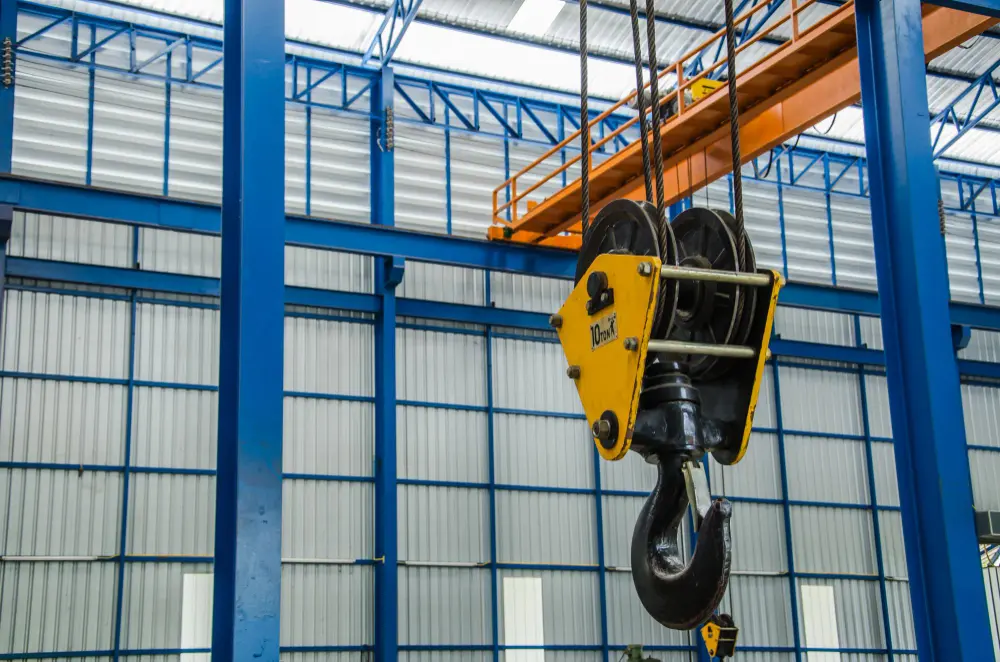
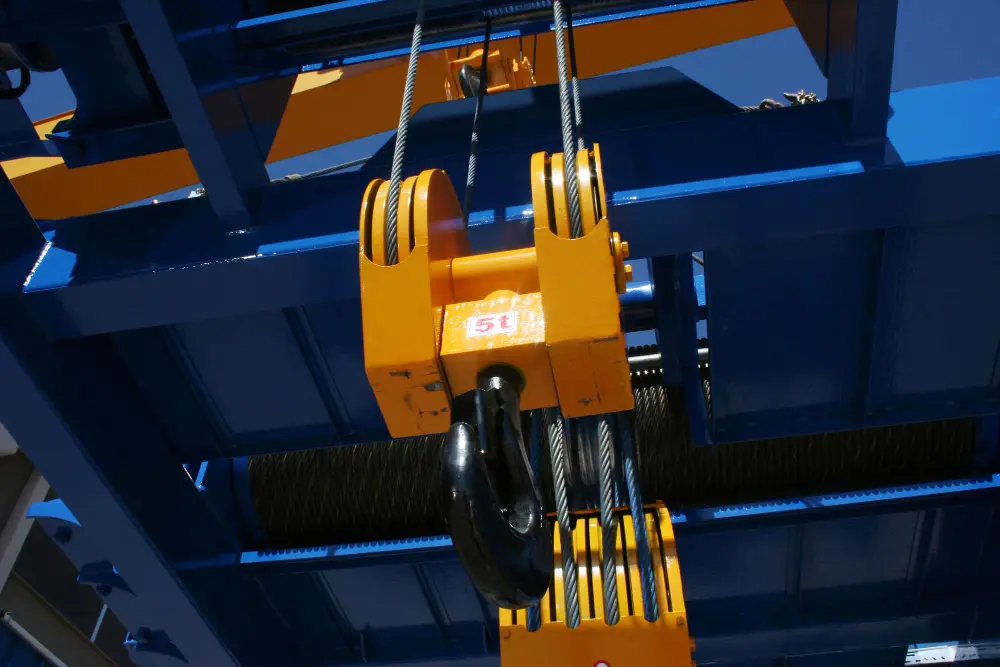
Best for heavy-duty applications over 5 tons. Wire rope hoists provide strength but usually need more space, pulleys, and lubrication. They work well in manufacturing plants or heavy material handling yards, but they demand more ongoing care and setup.
Each option fits a different need. Zo‑Air helps match the tech to your worksite conditions and planned use, cutting down on mismatches and surprise costs later.
Matching Trolley, Rigging & Headroom
Selecting the right mounting gear ensures that your hoist works in the space you have and the tasks you perform.
- Electric trolley / self-propelled rig
Designed for production lines and long beam runs, these automate movement and reduce manual effort. If productivity is your priority, this is a smart match. - Manual push trolley
Simple and effective, just push along the beam. Compact and affordable, it works best when you don’t need constant repositioning but still want horizontal flexibility. - Motorized trolley/rig
Adds power to movement for heavier loads or frequent repositioning. It saves time and keeps things smooth when frequent lifts are part of your workflow.
Choosing items that suit your structure matters. Low-clearance areas call for compact trolleys. Complex installations call for bigger rigs. That’s why Zo‑Air offers on-site walk-throughs, so we can tailor exactly what you need and skip the fit issues later.
Safety, Compliance & Lifecycle
Keeping your hoist in safe working order isn’t optional—it’s part of running a dependable operation. Regular checks reduce wear and help prevent mid-lift failures.
- Brake and limit switch inspections
These ensure the hoist stops where it’s supposed to. Failing to check them can lead to uncontrolled drops or over-travel incidents. - Chain integrity and vibration control
Nickel-plated load chain with precision 5-pockets reduces wear and runs quieter. We look for oil sheen and chain stretch as part of routine wear checks. - Wear and function testing
We test rig pressure, inspect for corrosion, and watch for unusual sounds. Keeping everything smooth means a longer life for the gear.
Zo‑Air wraps this all together through OSHA-compliant inspections, precise tool calibrations, tagging, and repair facility support. Whether you have CM chain or wire rope hoists, we help you schedule maintenance so your uptime stays steady and compliance remains intact.
Safety, Compliance & Lifecycle
When lifting gear is part of your routine, safety checks aren’t extras; they’re essentials. Still, it’s easy to overlook what keeps a lever hoist or Columbus McKinnon rig working smoothly until something fails. Staying ahead means regular inspections, clear safety criteria, and scheduled maintenance.
Brakes and Limit Switches
You rely on hoist brakes to stop in place, not let go unexpectedly. What often slips under the radar are limit switches—the unsung heroes that prevent over-travel. If they’re stuck or misaligned, you’ve got a hazard. Zo‑Air techs test these components methodically, catching issues before they become costly.
Nickel‑plated Load Chain with 5-Pockets to Reduce Vibration
A little shine goes a long way. Chains with nickel plating resist corrosion and offer longer chain life. Pair that with a pocket design that prevents chain jump, and you’ve got smoother, quieter operation—whether you’re using manual chain hoists or electric hoists on a rig.
Oil‑Sheen Wear Checks
A subtle oil sheen on the chain isn’t just an idle mess; it’s a telltale sign of wear or friction. Spotting this early keeps performance tight. Zo‑Air includes these visual inspections in every service call, looking beyond the obvious to protect your gear’s long-term integrity.
Each check ties into an OSHA-aligned schedule. And when we spot a worn component, we don’t just alert you—we calibrate, tag, and repair it onsite. As part of this continuous lifecycle, Zo‑Air’s repair facility support and on‑site repairs ensure your equipment keeps working without second thoughts.
Renting vs Buying CM Hoists
Sometimes renting gives you the flexibility of a threaded hook without tying up your budget. Other times, owning a powered hoist makes better sense for long-term work. Here’s when each option earns its place.
- Rentals for site-specific tasks or testing fit
Short-term projects or unfamiliar workflows? Renting lets you try a CM tornado-equipped lever hoist or electric hoist without the investment. It’s a low-commitment way to test hoist compatibility and rig performance in real conditions. - Owning when lifts are repetitive
If your crew uses manual chain hoists daily, or you depend on higher duty cycles, ownership pays back quickly. Plus, when you own, you tailor your hoist selection, keep one CM cyclone or CM products setup calibrated, tagged, and ready any time.
With both options, Zo‑Air handles the rigging, confirms hook suitability for commercial use, and ensures OSHA compliance. You get peace of mind without hidden hassles or delays.
Cost, ROI & Application Cases
Paying attention to cost and return isn’t optional; it’s what keeps operations practical and profitable. Let’s look at scenarios where the right CM hoist investment shows immediate value.
In a batch-production lot scenario, you might lift dozens of identical cases per shift. A lever hoist or electric chain hoist with a heavy-duty design keeps things moving without squeaks or slowdowns. When downtime stops the line, you’re burning cash. Zo‑Air helps calculate how fast it translates to saved dollars.
For equipment installation shops, lifts go up, down, then up again, sometimes inside tight, low-headroom setups. The benefit of a CM Lodestar electric chain hoist or a wire rope setup becomes clear when you’re avoiding mis-lifts and fractures. We include consulting to pair the right hoist with your space.
High-frequency maintenance lifts? Think of them like the heartbeats of your facility. If your team runs dozens of lifts per day, tools with long life, precision machined and hardened parts, and minimal downtime are critical. Zo‑Air supports quoting and service plans that keep your hoists on schedule, rather than in the shop.
Conclusion
There’s a lot to like about the CM chain hoist line. It’s tough, precise, and fits into more lifting applications than most folks realize, whether you’re moving gear in a cramped shop or handling repetitive lifts all day long. And when you pair the right hoist with the right trolley, rigging, and safety plan, things just work better.
But let’s be honest, managing all of that over time can wear thin. Sourcing the right hooks for commercial use, keeping up with finger-safe wiring standards, scheduling inspections, or guessing whether your current gear still fits the job? It adds up. Fast.
That’s why we’ve shaped what we do at Zo-Air around solving exactly those pain points. We’re not just moving hoists, we’re helping you move forward, with gear that fits, support that shows up, and costs that actually make sense. Get a Free Quote Today and let’s figure it out together.