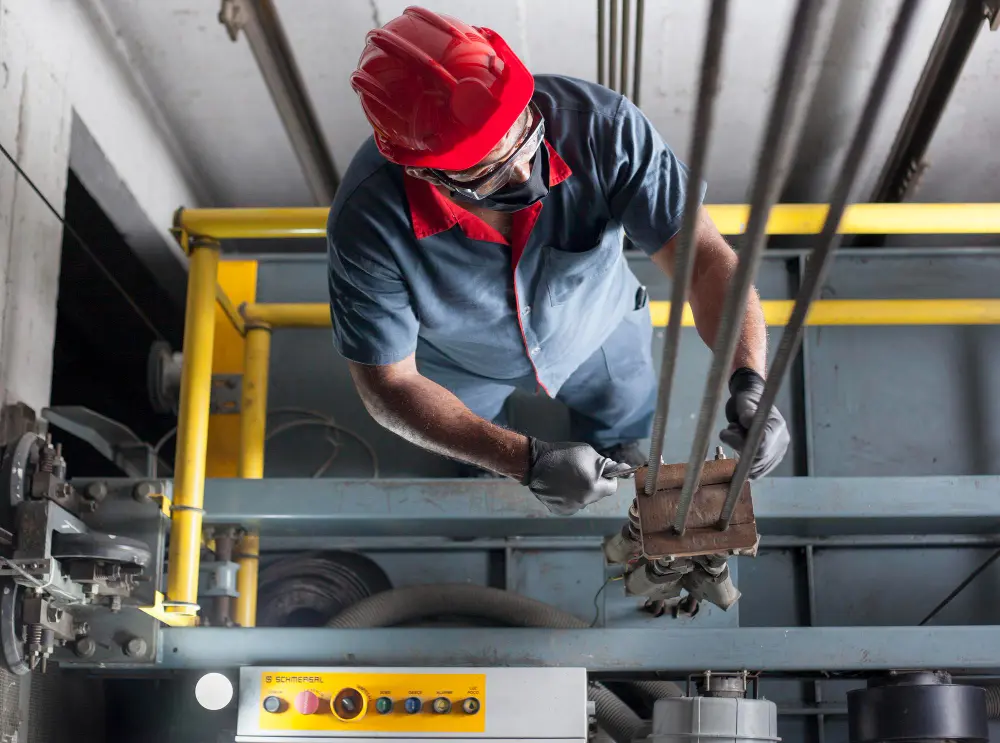
What’s the real price of lifting with outdated gear? It’s not just about money, it’s the strain on your crew, the lost hours, and the safety compromises you didn’t plan for. That’s where a Harrington electric hoist earns its keep. Whether you’re handling a 2-ton load or running tight jobs where pockets reduce chain vibration, having the right hoist matters.
This guide walks you through what makes Harrington’s lineup so reliable, from single phase electric chain models like the SEQ to three phase electric chain options built for heavy lifting. We’ll cover why the number of pockets reduces chain wear, how to match a trolley hoist to your beam, and what sets an H4-classified hoist apart in daily use. If you work in material handling, compliance-heavy sectors, or simply need gear that won’t quit, this is for you.
At Zo-Air, we’ve spent over 40 years helping people lift smarter. Our team combines hands-on service with deep product knowledge, so you don’t just meet safety standards; you keep your operation running strong. Let’s get into it.
What Makes the Harrington Electric Chain Hoist Stand Out
When it comes to industrial lifting, you need gear that works hard, not just looks good. The Harrington electric chain hoist is built to thrive under real-world conditions, giving you reliability when mistakes aren’t an option.
Rugged Design Built for Industry
The Harrington ner electric chain hoist uses grade‑80 electric chain that’s tough enough for daily use in construction, manufacturing, or utility work. Its sealed motor housing keeps dust and moisture out—ideal for jobsite conditions. You’ll also find UL‑listed components inside, meaning parts back up safety claims, not just marketing. Best of all, it’s designed for low-headroom installations, so you don’t need extra space to install a machine that still packs 5‑ton lifting power.
Dual Speed, Variable Control Options
Modern hoists like the Harrington SEQ and EQ models come with dual speed and VFD (variable frequency drive). That means you get slower lifting under load, smooth starts and stops, and faster travel when unloaded. This smart brake technology helps prevent jerky motion, giving stick‑straight chain performance. It’s a subtle upgrade but makes a big difference when handling precision loads in pharma plants or manufacturing lines.
Choosing Between Electric Chain, Wire Rope, and Manual Hoists
Picking a hoist is more than just capacity; it’s about fitting the machine to the environment, cycle needs, and your crew’s workflow.
Before we break it down, here are the key factors you should evaluate:
- Lifting capacity (like whether a 2‑ton or a full 5‑ton unit is needed)
- Cycle rate (how often and how fast you’ll be lifting)
- Headroom (background structure clearance)
- Work environment (dust, moisture, indoor vs. outdoor)
Electric chain hoist
- Efficient and headroom‑friendly, especially good with dual speed hoists.
- Runs on single-phase electric chain power for smaller sites, or three-phase for heavier loads.
- Delivers smooth motion and consistent speed across varying loads.
Wire rope hoist
- Handles bigger capacities well.
- Deeper headroom needed—you need clearance above the beam.
- Strong in high-duty, high-cycle jobs, but may be overkill if space is tight.
Manual chain/lever hoist
- The simplest option: no power needed, easy to use.
- Ideal for occasional jobs or as a backup.
- Zo-Air stocks lever hoists and manual chain hoists that go where power can’t, and for users who only need occasional lifting solutions.
When compliance, speed, and precision matter, like in food, pharma, or utility sectors, the Electric chain hoist often wins. And Harrington’s line gives you options, from compact low headroom to full dual-speed capability.
Don’t Overlook Headroom, Trolley Options, and Mounting
What’s good on paper can become a problem on the job if you forget your mounting options. These choices affect usability, safety, and job flow once the hoist’s installed.
Before you pick, think about where and how the hoist will move:
- Motorized trolley: Perfect for long beam runs where automation saves time.
- Push trolley: Compact and manual, great in tight spaces where power isn’t convenient.
- Manual trolley: Offers fine positioning, but needs crew effort.
- Geared trolley: Gear-driven movement gives more control and precision, ideal for careful load placement.
Now, here’s why these matter:
- Tight headroom? Low-headroom models help you squeeze the hoist under the beam, saving vertical space.
- Construction settings? Maneuverability often wins, so motorized or push trolleys are smart.
- Pharma or utility environments? Precision counts, go geared for fine load alignment.
- One-offs vs. daily use? Temporary set-ups may stick with a push trolley; long-term ops may invest in motorized.
Choosing the wrong trolley could mean constant manual effort, misaligned loads, or more wear and tear. Zo-Air’s service team is ready to help you match the trolley type to your real worksite needs.
Capacity, Power Requirements & Industrial Applications
Choosing the right hoist isn’t just about lifting weight. It’s about knowing how that weight fits into your workflow and making sure your gear won’t slow you down—or get in your way.
Matching the 5 Ton (and Bigger) Needs
If you’ve ever tried lifting 5 tons with underpowered equipment, you know the math doesn’t lie. But it’s not just about “can it lift it”, it’s about how it lifts it, how often, and under what conditions.
Harrington hoists in the NER series step up here. They’re built for real industrial loads, not just theoretical limits. These hoists are designed for frequent use in places like heavy equipment shops, food production lines, or utility yards where downtime isn’t just inconvenient, it’s expensive.
And it’s not just brute strength. Features like H4 classification and 5-pocket chain wheels help reduce chain vibration and extend the life of your load chain. That’s something you’ll appreciate after a few months of hard use, not just on day one.
In short? These hoists don’t just meet the working load limit. They respect it.
Single Phase vs Three Phase
Let’s talk power, because it matters more than most people realize.
If you’re in a smaller shop or mobile setup, single-phase might be all you’ve got. And that’s fine. Harrington’s SNER and SEQ hoists are solid options for single-phase electric chain setups, especially if you’re not running your hoist around the clock.
But if you’re in a high-use, heavy-duty environment, three-phase is the way to go. The NER, EQ, and ER models shine here, handling 2-ton to 5-ton loads with smoother starts, better thermal motor protection, and more consistent torque.
And if you’re pairing with an electric trolley or running long distances on a beam? Three-phase doesn’t just help, it’s kind of essential.
Either way, knowing your power situation is step one. Because even the best hoist can’t run on guesswork.
Safety, Compliance & Maintenance You Can’t Skip
You know that feeling when you’re about to lift, and something doesn’t feel right? Maybe it’s a lag in the pending response. Maybe the chain sounds… off.
That’s your signal. And it’s worth paying attention to.
Regular inspections and maintenance aren’t about jumping through OSHA hoops; they’re about avoiding breakdowns that put your people and equipment at risk. These are the things we always recommend checking before each shift:
- Brake function – If the brake doesn’t catch, nothing else matters.
- Limit switches – A stuck switch can turn a routine lift into a disaster.
- Pendant control – No delay, no stutter. It should feel instant.
- Chain condition – Look for elongation, rust, or grinding. Especially on a nickel-plated load chain.
- Headroom clearance – Easy to forget, but a surprise collision can wreck your day.
When something’s off, Zo-Air’s team handles it fast. We calibrate, tag, and repair everything in-house, no third-party runaround. Whether it’s a 5-ton chain hoist model or a compact SNER electric hoist, we make sure it’s safe to operate and legally compliant.
Also worth noting: proper tagging isn’t optional in high-compliance industries. If you’re in food or pharma, your next audit might come down to what’s hanging from your beam.
Rent vs Buy: When Does an Electric Hoist Make Sense?
Sometimes it makes more sense to rent. Other times, buying is a no-brainer. The trick is knowing which is which.
If you’ve got a short project, maybe a month of heavy lifts, or a seasonal push, renting is a smart move. You avoid the upfront cost, and you’re not stuck with a hoist you won’t use much later. It’s also a good option if you’re trying out a new hoist setup, like going from a hand chain hoist to a dual-speed electric trolley system.
Here’s when renting usually pays off:
- You’re only lifting for a set period of time.
- You’re testing between single and three-phase options.
- You want to try a motorized trolley but aren’t sure it’s worth owning yet.
- You’re tight on budget and can’t justify the purchase.
What’s different with Zo-Air rentals is what comes with them. Every unit is checked, calibrated, and tagged. Need help installing a push trolley? We’ll walk the beam with you. Wondering if your load will work better with a Harrington SNER electric chain hoist or a high-capacity manual trolley? We’ve seen enough jobs to give a straight answer.
And yeah, every hoist goes out OSHA-ready. Because renting doesn’t mean risking.
Conclusion
The Harrington electric hoist stands out because it just works. It’s dependable in the field, easy to control, and flexible enough to fit a range of material handling needs, from dual-speed precision to heavy-duty three phase electric chain lifting. Whether you’re managing a small shop or a high-volume plant, options like the Harrington SEQ hoist and its five-pocket chain wheels give you smooth lifts and fewer headaches. And when you’re dealing with tight clearances or moving 2-ton loads over long spans, a well-matched trolley hoist can make your setup a whole lot more efficient.
That’s where we come in. At Zo-Air, we make it easier to lift smarter. Whether you’re renting for a project or buying for the long haul, we offer practical support, inspection-ready equipment, on-site setup, honest advice, and tools that are ready to work when you are. No fluff. Just real solutions.
Ready to stop wrestling with the wrong gear? Get a Free Quote Today.