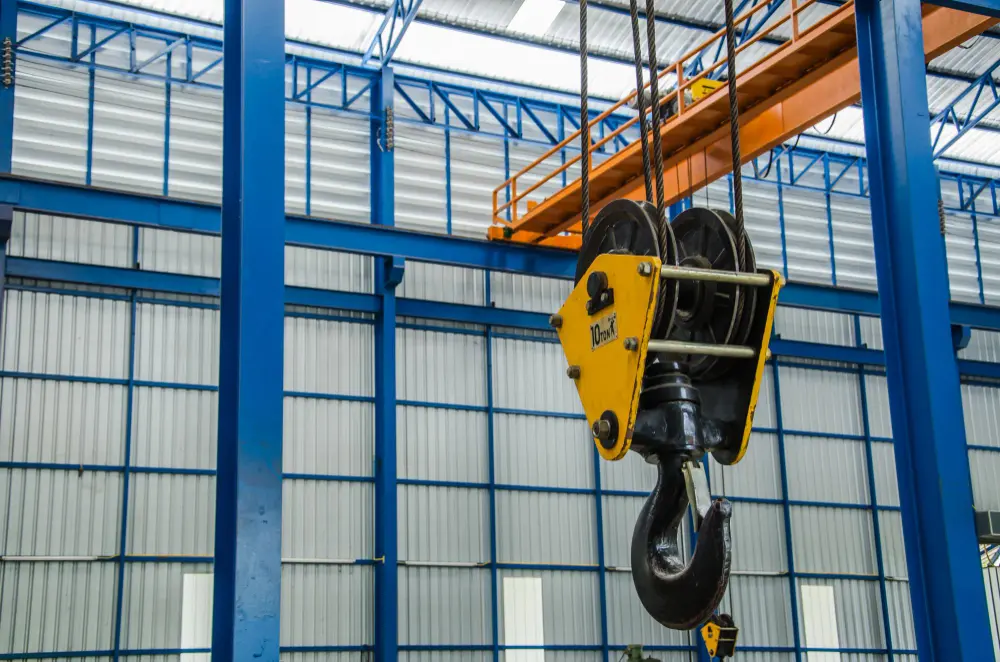
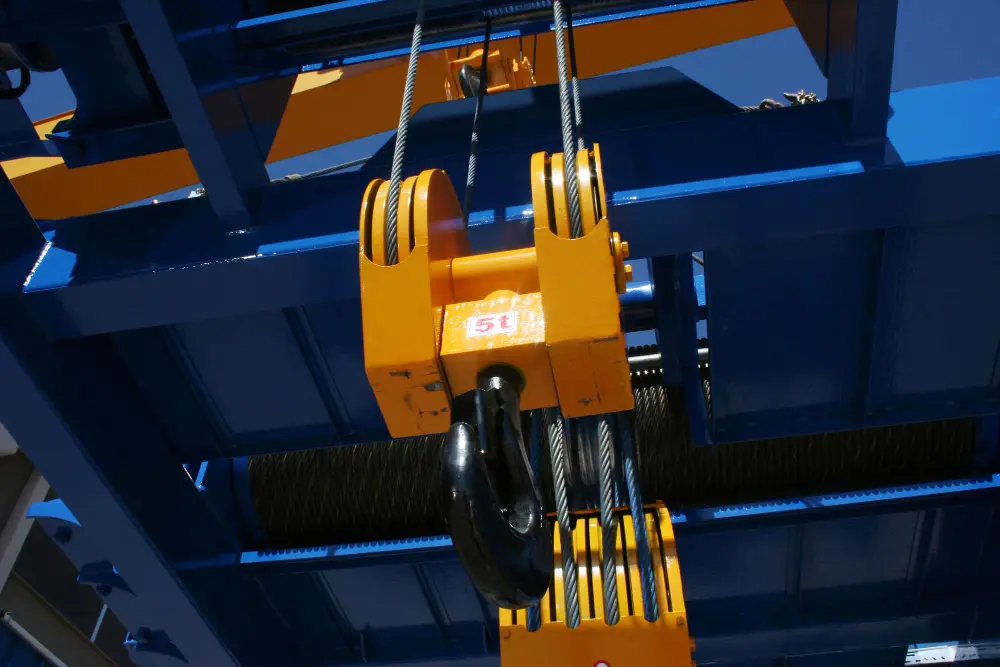
In industrial environments, cranes play a critical role in daily operations. Manufacturing facilities, warehouses, fabrication shops, and distribution centers rely on cranes to lift, move, and position heavy materials safely and efficiently. Because these systems handle significant loads and operate in demanding conditions, maintaining their safety and reliability is essential.
One of the most effective ways to keep cranes operating safely is through regular inspections. Unfortunately, inspections are often postponed when equipment appears to be functioning normally. Many facility managers assume that if a crane is still operating, there is no immediate reason to have it inspected. However, waiting until a problem becomes obvious can expose workers to serious hazards and lead to expensive equipment failures.
Regular crane inspections help identify wear, damage, and mechanical issues before they escalate into major problems. By detecting concerns early, businesses can reduce the likelihood of workplace accidents, minimize downtime, avoid costly emergency repairs, and maintain compliance with OSHA regulations.
Whether a facility operates overhead cranes, bridge cranes, monorail systems, hoists, or jib cranes, routine inspections are essential for protecting employees and ensuring uninterrupted productivity.
Why Crane Inspections Matter in Industrial Workplaces
Industrial cranes are designed to perform demanding tasks every day. They routinely lift and transport heavy materials across production floors, storage facilities, and assembly areas. Over time, the constant stress placed on these systems causes components to wear down naturally.
Hooks may become distorted or worn. Wire ropes can begin to fray. Brakes may lose efficiency after repeated use. Structural components can develop cracks, and electrical systems may deteriorate due to age, environmental conditions, or continuous operation.
The challenge is that many of these issues develop gradually. Unlike sudden equipment failures, wear-related problems often progress slowly and remain unnoticed during normal operations. A crane may continue functioning despite underlying damage, giving operators the impression that everything is working properly.
Operators are usually the first to notice obvious warning signs. Strange noises, jerky movements, delayed braking, unusual vibrations, or inconsistent lifting performance often indicate that something is wrong. However, many defects are not immediately visible during daily use.
For example, a wire rope may be deteriorating internally while appearing normal on the surface. A hook may have stretched slightly after repeated heavy lifting, or internal electrical components may be beginning to fail. These types of problems are often difficult to identify without a thorough inspection performed by trained professionals.
Regular inspections provide an opportunity to evaluate every critical component systematically. Identifying problems early helps businesses address issues before they affect crane performance or create unsafe working conditions.
Most importantly, inspections help protect employees who work around and beneath lifting equipment every day.
The Safety Risks of Delaying Crane Inspections
Postponing inspections can create significant safety and operational risks. While delaying an inspection may seem harmless when equipment appears to be functioning normally, even minor defects can become serious hazards when left unaddressed.
A small crack in a structural component rarely remains small. Continuous loading and unloading place additional stress on damaged areas, causing defects to worsen over time. Similarly, a worn wire rope may continue functioning temporarily but can eventually fail if deterioration progresses unchecked.
In facilities where cranes operate continuously, these risks increase substantially. Cranes running multiple shifts each day accumulate wear much faster than equipment used occasionally. Without regular inspections, small problems can develop unnoticed for weeks or even months.
The consequences of equipment failure can be severe. Unexpected breakdowns often halt production immediately, creating costly delays and disrupting schedules. Emergency repairs are typically more expensive than planned repairs because they require immediate attention and frequently involve additional damage.
More importantly, equipment failures can place workers at risk. A malfunctioning crane has the potential to drop loads, damage property, or cause serious injuries.
Beyond safety concerns, businesses may also face regulatory consequences. OSHA requires employers to maintain safe working environments and ensure that lifting equipment is inspected appropriately. Incomplete inspection records or neglected equipment may lead to citations, fines, or increased scrutiny during workplace audits.
Regular crane inspections help organizations avoid these problems by identifying issues before they compromise safety or productivity.
What Happens During an Overhead Crane Inspection?
Many facility managers understand the importance of inspections, but are not always familiar with what the process involves. A professional overhead crane inspection is far more comprehensive than a routine visual check performed by operators before each shift.
During an inspection, technicians conduct a detailed assessment of the crane’s mechanical, structural, and electrical systems. Every major component is evaluated to determine whether it remains safe and capable of performing as intended.
Inspectors typically examine hooks, safety latches, wire ropes, chains, hoists, motors, brakes, and electrical controls. Structural components such as beams, end trucks, runways, wheels, and bearings are also carefully inspected.
The process generally includes both visual examinations and operational testing. Inspectors look for visible signs of wear, corrosion, cracks, loose hardware, bent components, or structural damage. Equipment is also operated under controlled conditions to verify proper functionality.
Safety devices receive particular attention during the inspection process. Limit switches, emergency stop controls, warning systems, and braking mechanisms must operate correctly to prevent accidents.
Inspectors may also evaluate alignment, load handling performance, and overall operating conditions to determine whether additional repairs or adjustments are necessary.
Because cranes function as integrated systems, problems affecting one component can influence the entire operation. Identifying concerns early helps ensure reliable performance while reducing the likelihood of unexpected failures.
The Importance of Inspection Documentation
Inspection documentation plays a vital role in maintaining crane safety and regulatory compliance. While the physical inspection identifies equipment issues, proper recordkeeping creates a historical record that helps businesses monitor equipment condition over time.
Detailed inspection reports provide valuable information regarding previous repairs, recurring problems, component wear patterns, and equipment performance trends.
This documentation allows facility managers to track changes in equipment condition and make informed decisions regarding repairs or replacement schedules. For example, if inspection reports consistently show excessive wear on a specific component, it may indicate an underlying operational issue that requires further investigation.
Inspection records also demonstrate compliance with OSHA requirements. During audits or workplace inspections, regulatory agencies frequently request documentation showing that lifting equipment has been inspected appropriately.
Maintaining accurate records helps organizations demonstrate their commitment to workplace safety while reducing potential liability.
Consistent documentation also improves communication between management, operators, and service providers. Everyone involved in equipment operation gains a clearer understanding of existing conditions and recommended corrective actions.
Ultimately, thorough recordkeeping supports safer and more efficient crane operations.
Why Bridge Crane Safety Inspections Are Critical
Bridge cranes are among the most commonly used lifting systems in industrial facilities. Because these cranes move heavy loads across large work areas, they experience significant wear throughout their service life.
Even relatively minor defects can create substantial risks when bridge cranes operate continuously in demanding environments.
Bridge crane inspections evaluate numerous components, including structural members, travel systems, lifting mechanisms, electrical controls, and safety devices. Inspectors assess every aspect of crane operation to ensure the equipment performs safely and efficiently.
Problems such as worn rails, damaged wheels, loose fasteners, misalignment, or deteriorating structural components can affect crane performance and increase safety risks. Since bridge cranes travel across extensive workspaces, defects affecting movement or stability may impact the entire facility.
Workers positioned beneath or near bridge cranes benefit significantly when inspections identify issues early. Correcting problems before they worsen reduces the risk of accidents and helps maintain uninterrupted production.
Routine bridge crane inspections also support OSHA compliance and demonstrate a proactive approach to workplace safety.
Why Professional Crane Inspection Services Matter
Daily pre-shift inspections performed by operators are an important part of crane safety. These visual checks help identify obvious concerns before equipment is used. However, operator inspections should never replace comprehensive professional evaluations.
Qualified inspectors possess specialized training and experience that enables them to recognize issues that may not be visible during routine operations. They understand how crane systems function and know which warning signs indicate developing problems.
Professional inspections provide a level of detail that exceeds standard visual observations. Inspectors assess structural integrity, evaluate mechanical performance, examine electrical systems, and verify the functionality of critical safety devices.
Professional inspections also produce detailed reports documenting equipment condition and identifying recommended repairs or corrective actions. This information helps facility managers prioritize repairs and allocate resources effectively.
Addressing problems early often prevents more extensive damage and reduces the likelihood of emergency downtime.
Zo-Air works with businesses throughout the New York Metro area, providing crane inspections, repairs, testing, and safety evaluations. Their experienced technicians help facilities identify potential hazards, maintain OSHA compliance, and improve equipment reliability.
Whether evaluating overhead cranes, bridge cranes, monorail systems, or hoists, Zo-Air tailors its inspection approach to the specific equipment and operating conditions within each facility.
This customized approach helps businesses maintain safe operations while minimizing costly disruptions.
How Regular Inspections Improve Productivity
Many businesses initially view inspections primarily as a safety requirement. While safety remains the primary objective, inspections also provide significant operational benefits.
Unexpected crane failures often bring production to a standstill. Materials cannot be moved, manufacturing processes may be interrupted, and employees may remain idle while repairs are completed.
Regular inspections reduce the likelihood of these disruptions by identifying problems before equipment fails unexpectedly.
Planned repairs are generally easier to schedule and significantly less disruptive than emergency breakdowns. Facilities can coordinate repairs during scheduled downtime, minimizing impacts on productivity.
Reliable equipment also improves workflow efficiency. Operators can perform tasks confidently when cranes function consistently and safely.
Over time, businesses that prioritize routine inspections often experience fewer interruptions, improved operational efficiency, and lower overall equipment-related costs.
Conclusion
Crane safety depends on consistency. Regular inspections remain one of the most effective ways to protect employees, improve equipment reliability, and support efficient facility operations.
Identifying problems early allows businesses to address concerns before they develop into serious safety hazards or costly equipment failures. Routine inspections also help organizations maintain OSHA compliance and reduce unexpected downtime.
While cranes are built to withstand demanding industrial environments, no equipment lasts indefinitely without proper oversight. Ongoing inspections provide the information businesses need to operate safely and make informed decisions regarding repairs.
Partnering with experienced professionals such as Zo-Air ensures that inspections are completed thoroughly, accurately, and in accordance with industry standards.
Investing in regular crane inspections ultimately protects workers, preserves equipment, and supports long-term operational success.
Frequently Asked Questions
How often should cranes be inspected?
Inspection frequency depends on equipment usage, operating conditions, and OSHA requirements. Cranes used continuously or in demanding environments typically require more frequent inspections than equipment used occasionally.
What is the difference between daily inspections and professional crane inspections?
Daily inspections involve routine visual checks performed by operators before equipment use. Professional inspections are significantly more comprehensive and evaluate mechanical, structural, and electrical systems in greater detail.
Why are regular crane inspections important for OSHA compliance?
Regular inspections help businesses identify hazards, document equipment condition, and demonstrate compliance with OSHA regulations during audits and workplace inspections.
What signs indicate a crane needs immediate inspection?
Unusual noises, damaged wire ropes, worn hooks, brake problems, visible structural damage, abnormal crane movement, or inconsistent performance all indicate that immediate inspection is necessary.
Can regular crane inspections help reduce repair costs?
Yes. Early identification of equipment issues allows businesses to address problems before they escalate into major failures, often reducing repair costs and minimizing downtime.