A hoist, crane, or hydraulic lift can serve a facility well for years. It just needs attention along the way. Zo-Air provides inspection, repair, testing, and servicing for industrial lifting equipment, helping businesses keep it running the way it should.
Why Equipment Care Matters
Lifting equipment gets used constantly in most facilities, and that use adds up. Chains stretch. Hooks wear. Hydraulic cylinders and bearings lose their edge slowly, not all at once. There’s rarely a single moment where something breaks with no warning. Usually, there were signs, just easy to miss. That’s the real cost of putting things off. A worn part that could have been swapped out in an afternoon turns into a shutdown that costs a lot more, in both money and time. Projects stall. Deadlines slip. A short delay on the floor can ripple out to customers who were counting on delivery.
Good equipment care isn’t only about responding once something’s wrong. It’s catching a problem early, replacing a part before it fails outright, keeping things lubricated, and checking safety systems on a schedule rather than by memory. Facilities that treat this as routine, not an afterthought, tend to get more out of their equipment over time.
Know What Your Equipment Actually Needs
No two lifting systems need exactly the same care. It depends on the design, where it’s used, and how hard it works. Manufacturers usually spell out inspection intervals and lubrication needs in their documentation, and that’s a reasonable place to start.
But paperwork only goes so far. A crane running in a chemical plant is dealing with a lot more than one sitting in a clean, climate-controlled warehouse. Equipment in tougher environments generally needs more frequent attention, not less. Keeping good records helps too. Dates, repairs, parts replaced, test results. It sounds like busywork until an audit comes around, or until a technician needs the history to figure out what’s actually going on.
Do the Basic Visual Checks
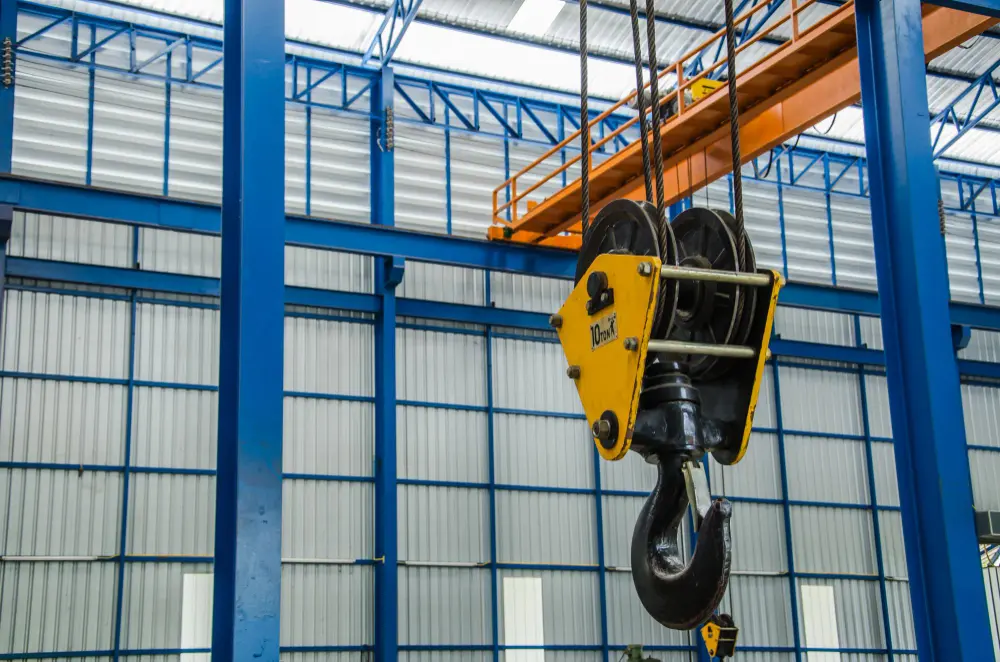
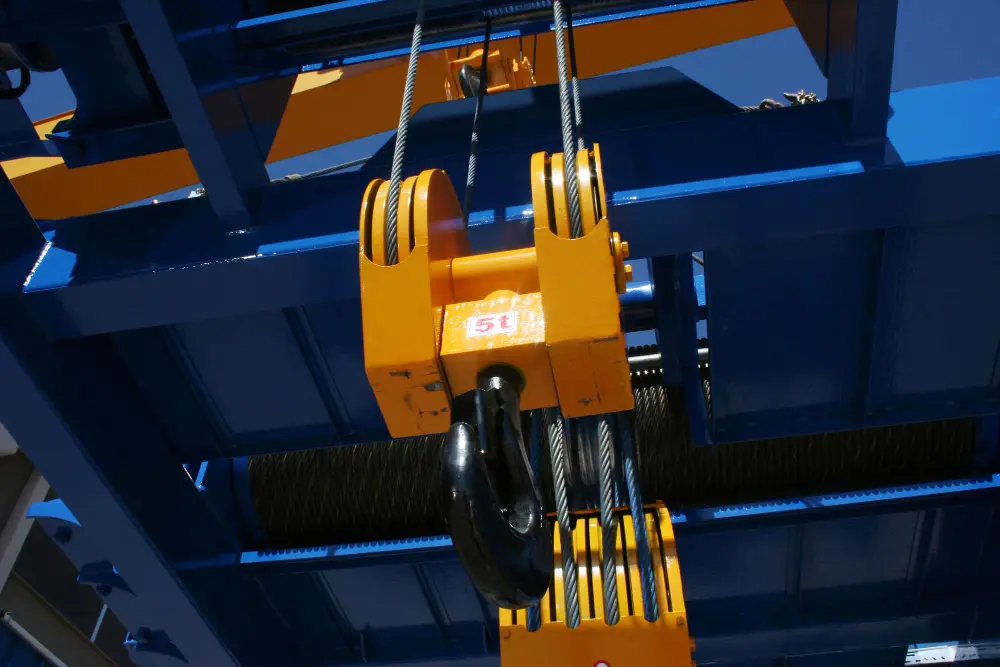
A quick look before and after use catches more than people expect. Most mechanical problems don’t happen overnight. They build slowly, and there are usually clues along the way if someone’s looking. Check the hooks. Cracks, bending, wear. Look at the chains and wire ropes for stretching or damage. Make sure the safety latches actually latch. Hydraulic hoses should be free of leaks, cracking, or abrasion, and electrical cables should be intact. Warning labels need to stay legible, not faded past the point of being useful.
Don’t skip the mounting hardware either. A loose bolt or a damaged support doesn’t look like much, but it can undercut the stability of the whole unit. And if the equipment starts making a noise it didn’t use to make, or running slower, or vibrating more than usual, that’s worth reporting right away rather than waiting to see if it gets worse.
Stick to a Planned Service Schedule
Waiting for something to break is the expensive way to run equipment. A better approach is scheduling inspections and servicing around actual operating hours, manufacturer guidance, and the conditions the equipment is working in.
That usually means lubrication, checking hydraulic fluid, swapping filters, testing electrical components, verifying load limits, and reviewing performance overall. None of this is complicated on its own. The value comes from doing it consistently, on a schedule instead of by memory. Many facilities lean on Industrial equipment servicing programs specifically so this doesn’t fall through the cracks, and working with people who do this for a living tends to catch things before they become a real problem.
Keep Hydraulic Systems in Good Shape
A hydraulic system is only as good as its weakest part. Cylinders, pumps, valves, hoses, seals. Clean fluid matters too. When one piece starts to slip, the whole system can lose lifting capacity, and that’s not just an efficiency problem. It’s a safety one. Contaminated fluid is behind a lot of hydraulic trouble. Dirt and debris moving through the system chew away at pumps, valves, and seals faster than people expect. Checking fluid quality regularly is a small habit that prevents a lot of larger headaches.
Hoses deserve their own attention. Cracking, swelling, abrasion, or any sign of a leak. None of that should get a shrug, because a hose failing under pressure is genuinely dangerous for anyone standing nearby. Hydraulic system repair services typically cover pressure testing, cylinder rebuilding, seal replacement, hose checks, and full diagnostics, and catching an issue early usually means a smaller repair bill later.
Lubricate the Right Way
Lubrication cuts friction, and friction is what wears down bearings, gears, pivots, rollers, and chains. Simple enough. But the amount matters as much as doing it at all. Too much lubricant pulls in dust and grit, which speeds up wear instead of slowing it. Too little, and friction does its damage anyway. A schedule built around how the equipment is actually used tends to work better than a generic one pulled from a manual. It’s a small task, easy to overlook, but it’s one of the more effective ways to keep equipment performing well for longer.
Don’t Overload the Equipment
Every lift has a limit for a reason. Push past it, and the stress lands on structural parts, motors, hydraulic systems, and load-bearing hardware. It might not show right away. Repeated overloading tends to wear things down quietly before a failure makes it obvious.
Good habits go a long way here:
- Confirm load weights before every lift.
- Follow approved lifting procedures consistently.
- Display load capacity information clearly near each lifting device.
- Train operators to understand safe lifting limits and correct operating techniques.
None of this takes much effort, but it adds up to fewer repairs and a safer floor.
Train Operators, and Keep Training Them
Equipment is only as reliable as the person running it. Training needs to cover the equipment’s limits, daily inspection habits, what to do in an emergency, and safe operating practices, and it shouldn’t be a one-time thing handed out at hiring. Operators who know their equipment well are usually the first to notice something’s off. A sound that wasn’t there before. A lift that’s a bit slower than usual. Refresher sessions help keep that awareness sharp and keep everyone current on updated procedures.
Skip the Quick Fix, Call a Professional
When equipment starts showing wear, a quick patch job is tempting. It’s also usually a bad trade. Putting off a real repair tends to cost more later, once the damage has spread to parts nearby. A trained technician has the tools and the experience to find the actual cause of a problem instead of just treating the symptom. Businesses that turn to Industrial tool repair solutions get equipment back to safe working condition, and a thorough check afterwards confirms it’s actually ready to go back into use, not just patched enough to pass.
Keep It Clean
Clean equipment is easier to inspect. Dirt, grease, moisture, and residue build up over time and hide the things you’re actually looking for, like a leak, a crack, or a worn part that’s about to give out. Regular cleaning also cuts down on corrosion, especially outdoors or in rough industrial settings. Storage matters just as much. When equipment isn’t in use, a clean, dry spot away from the weather makes a real difference.
Replace Parts Before They Fail Completely
Every part wears out eventually. Chains, wire ropes, bearings, seals, brakes, hooks, all of it. Waiting for total failure usually means damage spreads to whatever’s nearby, and the repair bill grows with it. A worn bearing left alone can eventually take out a shaft, a gear, or a motor. Replacing parts based on what inspections actually show, rather than waiting for a breakdown, keeps both the equipment and the people using it safer.
Keep an Eye on Performance Over Time
Some changes don’t show up in a quick visual check. Lifting speed, hydraulic pressure, load handling, vibration, temperature, unusual noise. Tracked over time, these numbers can flag a problem long before it’s visible to the eye. Vibration analysis, thermal imaging, load testing. These methods often catch what a routine look wouldn’t, giving a facility the chance to fix something before it affects how the equipment performs.
Work With People Who Know This Equipment
Keeping lifting equipment safe takes more than an occasional glance. It takes people who understand how these systems actually behave under real working conditions, day after day. Zo-Air supports lifting equipment, hydraulic tools, torque equipment, hoists, cranes, and other Industrial tools and equipment, covering inspections, scheduled servicing, repairs, calibration, and testing.
A good service plan isn’t one-size-fits-all. It’s built around how equipment is actually used, the environment it’s in, and what the manufacturer recommends. Businesses that invest in Industrial machinery servicing solutions tend to see steadier performance, fewer surprises, and equipment that simply lasts longer.
Conclusion
None of this is complicated. Regular checks, planned servicing, timely repairs, proper lubrication, trained operators. It’s consistency that actually extends the life of industrial lifting equipment, not any single fix.
Whether it’s a hydraulic lift, a crane, a hoist, or other Industrial tools and equipment on the floor, staying ahead of wear keeps things running the way they’re supposed to. Working with a team like Zo-Air means having people who know what to look for, long before it becomes a problem.
Frequently Asked Questions
How often should industrial lifting equipment be inspected?
It depends on the type of equipment, what the manufacturer recommends, the environment it’s working in, and how often it gets used. Most facilities do a visual check before each use, with more detailed inspections and testing happening on a set schedule or whenever regulations call for it.
What are the most common causes of lifting equipment failure?
Inconsistent equipment care is usually near the top of the list, along with overloading, worn parts, hydraulic leaks, poor lubrication, corrosion, contamination, and simple operator error. Catching these early through regular inspection and timely servicing tends to prevent the bigger failures.
Why is proactive equipment care better than emergency repairs?
Because it catches wear before it turns into something serious. That means less downtime, lower repair costs, and a safer place to work. Emergency repairs tend to cost more too, since a breakdown often takes several components down with it, not just the one that failed first.
When should hydraulic systems be serviced?
Follow the manufacturer’s recommendations, and don’t wait if something seems off. Leaks, contaminated fluid, pressure that isn’t holding steady, or a lift that’s running slower than it should all deserve prompt attention rather than a wait-and-see approach.
How can professional equipment servicing extend equipment life?
It usually covers inspections, load testing, lubrication, calibration, part replacement, hydraulic repairs, and performance checks. Working with an experienced team like Zo-Air means potential problems get caught early, which tends to mean equipment holds up longer and performs more reliably along the way.