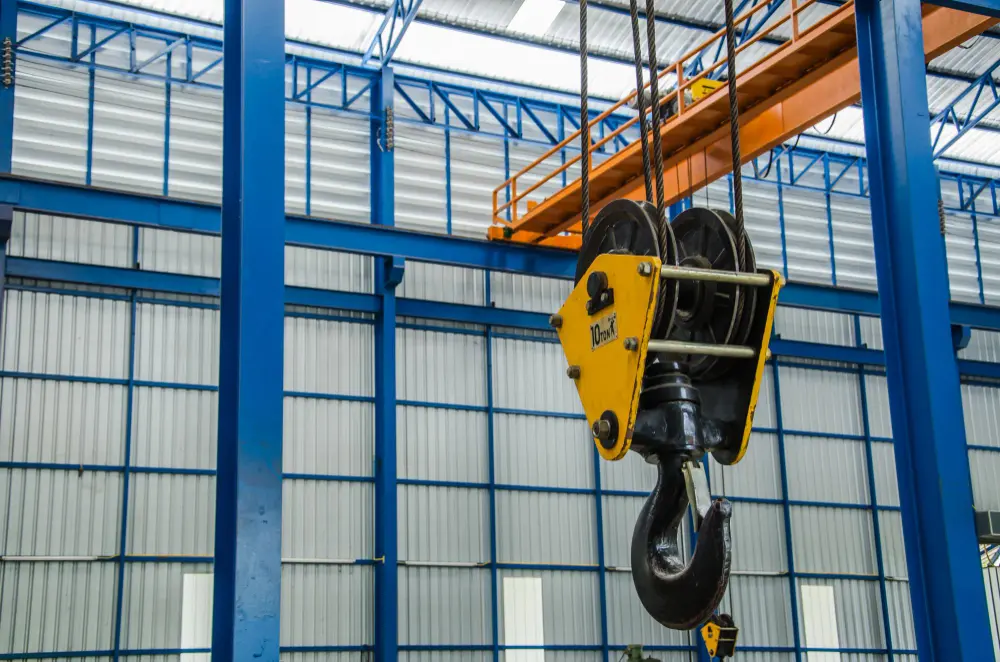
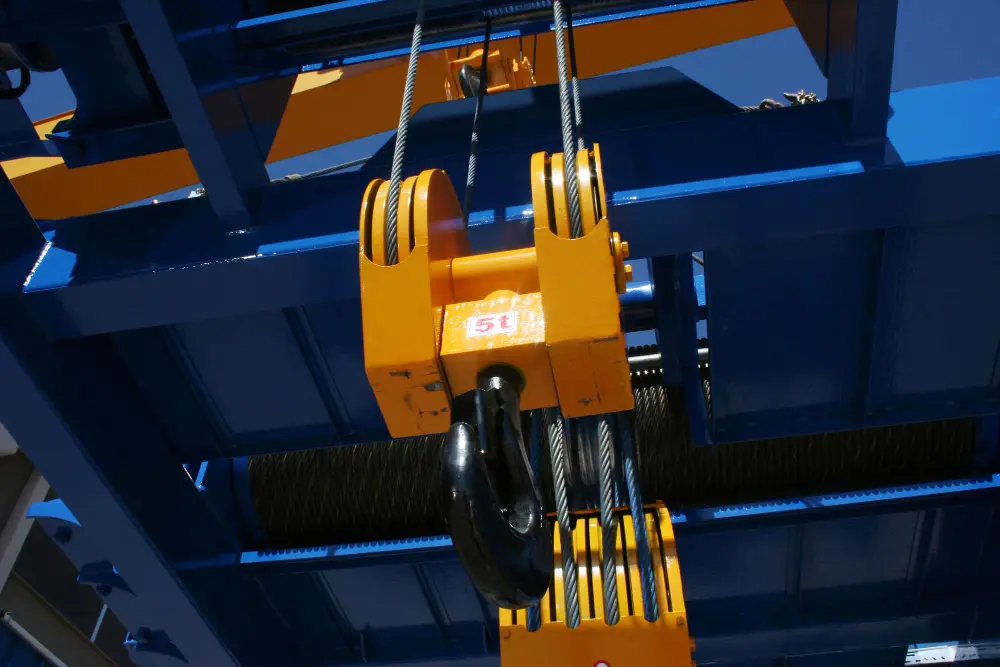
Monorail cranes are essential components of many industrial operations, providing efficient and reliable material handling capabilities across manufacturing facilities, warehouses, fabrication shops, and processing plants. These systems are designed to transport heavy loads safely and efficiently, helping organizations maintain productivity and streamline workflows. Because monorail cranes often operate continuously in demanding environments, they are exposed to significant wear and tear over time. Repetitive lifting cycles, heavy loads, environmental conditions, and constant movement place stress on critical components, making repairs an inevitable part of the equipment lifecycle. When repairs are delayed, minor issues can quickly develop into larger problems that affect performance, safety, and overall reliability.
Equipment reliability is critical for maintaining operational efficiency and meeting production goals. A reliable crane system allows workers to complete tasks without interruption, ensures materials move through the facility as planned, and minimizes costly downtime. Conversely, an unreliable crane can disrupt entire operations, create safety hazards, and increase operating expenses. Timely monorail crane repairs play a vital role in preventing these issues by addressing developing problems before they lead to equipment failure. By restoring crane performance and correcting wear-related issues, repair services help organizations maximize uptime, improve safety, and extend the life of their lifting equipment.
At Zo-Air, we understand the importance of reliable crane performance. Our specialized crane repair services are designed to help industrial facilities maintain operational continuity while protecting their investment in critical lifting equipment. By identifying and resolving problems early, organizations can avoid costly disruptions and ensure their monorail crane systems continue operating at peak performance.
Why Equipment Reliability Matters in Industrial Operations
Equipment reliability directly impacts productivity, profitability, and workplace safety. In industrial environments where monorail cranes support essential production processes, even a short period of downtime can create significant operational challenges. Production schedules are often tightly coordinated, and delays in material handling can affect multiple departments simultaneously. When a crane is unable to perform as expected, workers may be forced to wait for materials, production targets may be missed, and customer deliveries can be delayed.
Reliable equipment helps organizations maintain consistent workflows and predictable operations. Facility managers can plan production schedules with confidence, supervisors can allocate resources effectively, and employees can complete their tasks without unnecessary interruptions. When crane reliability declines, however, organizations often experience increased downtime, reduced efficiency, and higher operating costs. These challenges can negatively impact customer satisfaction and place additional pressure on maintenance and operations teams.
The financial consequences of poor equipment reliability often extend beyond the cost of repairs. Unplanned downtime can result in lost production, overtime labor expenses, delayed shipments, and reduced productivity throughout the facility. These indirect costs frequently exceed the actual cost of repairing the equipment. This is why many organizations prioritize timely repairs as part of their overall reliability strategy. Addressing issues before they escalate helps maintain operational continuity while reducing long-term expenses.
Reliability also plays a crucial role in maintaining a safe work environment. Crane systems that operate inconsistently or exhibit signs of wear may create conditions that increase the risk of accidents. Timely repairs help restore proper functionality, ensuring equipment operates safely and reliably while supporting regulatory compliance and workplace safety objectives.
Common Monorail Crane Problems That Affect Reliability
Like any piece of industrial equipment, monorail cranes experience wear as they age. Several common issues can affect reliability and eventually lead to equipment failure if not addressed promptly.
- Hoist motor failures
- Worn trolley wheels and bearings
- Electrical control system faults
- Brake system deterioration
- Rail alignment issues
Hoist-related problems are among the most common causes of crane performance issues. The hoist is responsible for lifting and lowering loads, making it one of the hardest-working components within the system. Continuous operation places stress on motors, gearboxes, wire ropes, chains, and braking mechanisms. As these components wear, lifting performance may become inconsistent, unusual noises may develop, and overall efficiency may decline.
Trolley assemblies also experience significant wear due to constant movement along the monorail system. Damaged wheels or worn bearings can create excessive vibration and uneven movement, placing additional strain on other crane components. Electrical system issues represent another major source of reliability concerns. Faulty wiring, damaged controls, and deteriorated electrical connections can affect crane operation and reduce performance. Brake systems and rail alignment problems can also compromise both safety and efficiency when repairs are postponed.
Ignoring these warning signs often results in more extensive damage, higher repair costs, and longer periods of downtime. Identifying and addressing these issues early helps preserve crane reliability while minimizing operational disruptions.
How Timely Monorail Crane Repairs Prevent Costly Downtime
Downtime is one of the most expensive challenges facing industrial facilities. When a monorail crane fails unexpectedly, operations can quickly come to a standstill. Materials may be unable to move through production areas, employees may be left waiting for equipment to be repaired, and production schedules can fall behind. The longer the equipment remains out of service, the greater the financial impact on the organization.
Timely crane repairs help prevent these disruptions by addressing issues before they result in complete equipment failure. Repair technicians can identify worn or damaged components, correct performance problems, and restore functionality before the situation worsens. This proactive approach significantly reduces the likelihood of unexpected breakdowns while helping organizations maintain consistent productivity.
Many crane failures begin as relatively minor issues. A worn bearing, loose electrical connection, or damaged brake component may initially have little impact on daily operations. However, when these problems are ignored, they can create additional stress throughout the system and lead to more extensive damage. What could have been resolved through a straightforward repair may eventually require major component replacement and extended downtime.
Organizations that invest in timely repairs often experience greater operational stability and lower overall repair costs. By resolving problems early, they can schedule repairs strategically, avoid emergency service situations, and maintain better control over equipment reliability. This approach supports long-term productivity while reducing the financial burden associated with unexpected equipment failures.
The Connection Between Crane Repairs and Workplace Safety
Workplace safety is one of the most important reasons to prioritize monorail crane repairs. Cranes are responsible for lifting and transporting heavy loads, and any mechanical or electrical failure can create serious risks for workers and equipment. Damaged components may compromise load control, reduce lifting accuracy, or affect braking performance, increasing the likelihood of accidents and injuries.
As crane components wear, their ability to perform safely may decline. A deteriorating brake system can affect stopping performance, while damaged hoist components may compromise load handling capabilities. Electrical faults can create unpredictable operating conditions, and alignment issues can place additional stress on structural components. These problems not only affect reliability but also increase operational risks.
Timely repairs help restore equipment to safe operating condition by addressing these issues before they become safety hazards. Repair technicians can identify defects, replace worn components, and verify that the crane performs according to manufacturer specifications. This process helps protect employees, reduce liability, and support compliance with industry regulations and safety standards.
Facilities that prioritize crane repairs often experience fewer safety incidents and greater confidence in their lifting operations. Maintaining reliable equipment demonstrates a commitment to worker safety while helping organizations meet their operational and regulatory responsibilities.
How Professional Crane Repair Services Restore Performance
Professional crane repair services do more than simply fix broken components. They help restore overall system performance and ensure the crane operates as intended. Experienced technicians evaluate the entire crane system, identifying both immediate repair needs and underlying issues that may affect future performance.
The repair process often includes detailed diagnostics, component testing, electrical troubleshooting, alignment verification, and performance assessments. By taking a comprehensive approach, technicians can address the root cause of performance problems rather than simply treating the symptoms. This helps improve reliability while reducing the likelihood of recurring issues.
Professional repair services also help optimize equipment performance. Replacing worn components, correcting alignment problems, and restoring electrical functionality can improve lifting accuracy, movement consistency, and overall efficiency. These improvements support smoother operations and help facilities maximize the value of their equipment investment.
At Zo-Air, our repair specialists utilize industry best practices and proven repair methods to help organizations restore crane performance quickly and effectively. Our goal is to minimize downtime while ensuring every repair contributes to long-term reliability and operational success.
Why Specialized Monorail Crane Repair Expertise Matters
Monorail cranes have unique operating characteristics that require specialized knowledge and experience. Unlike other lifting systems, monorail cranes depend heavily on precise rail alignment, trolley performance, and load distribution. Repairs performed without a thorough understanding of these systems may fail to address underlying issues or create additional problems in the future.
Specialized repair technicians understand how individual crane components interact and how specific defects can affect overall system performance. They are familiar with manufacturer specifications, industry standards, and best practices for diagnosing and repairing monorail crane systems. This expertise allows them to identify problems accurately and implement effective solutions that support long-term reliability.
Working with experienced professionals also helps ensure repairs are completed safely and correctly. Proper repair procedures, quality replacement parts, and thorough testing all contribute to better outcomes and improved equipment performance. Organizations that partner with qualified repair specialists often experience greater reliability, lower operating costs, and fewer recurring issues over time.
Choosing the Right Monorail Crane Repair Partner
Selecting the right repair provider is an important decision that can significantly impact crane reliability and operational performance. The ideal partner should have extensive experience working with monorail crane systems, a strong understanding of industry standards, and a proven track record of delivering quality repair services.
A reliable repair provider should focus on thorough diagnostics, effective communication, and long-term solutions rather than temporary fixes. They should be capable of identifying the root cause of performance issues and recommending repairs that improve reliability while supporting operational goals. Access to qualified technicians and high-quality replacement components is also essential for achieving consistent results.
Zo-Air is committed to helping industrial facilities maintain reliable lifting operations through professional crane repair services. Our team works closely with clients to understand their unique operational requirements and provide customized repair solutions that minimize downtime and maximize equipment performance.
Keep Your Monorail Crane Operating Reliably
Reliable lifting equipment is essential for maintaining productivity, workplace safety, and operational efficiency. When monorail crane repairs are delayed, small issues can quickly escalate into major failures that disrupt operations and increase costs. Addressing repair needs promptly helps organizations avoid unexpected downtime, improve safety, and extend the life of their equipment.
Timely repairs are one of the most effective ways to protect the performance and reliability of monorail crane systems. By identifying problems early and working with experienced repair specialists, facilities can maintain consistent operations while reducing the risk of costly breakdowns. Investing in professional repair services not only restores equipment functionality but also supports long-term operational success.
At Zo-Air, we provide expert monorail crane repair services designed to help organizations maximize equipment reliability and minimize operational disruptions. Contact our team today to learn how our repair solutions can help keep your crane systems performing safely and efficiently.
FAQs
How do timely monorail crane repairs improve equipment reliability?
Timely repairs address developing issues before they lead to major equipment failures. By replacing worn components, correcting performance problems, and restoring proper functionality, organizations can reduce downtime, improve operational efficiency, and maintain consistent crane performance.
What are the signs that a monorail crane needs repairs?
Common warning signs include unusual noises, excessive vibration, slow lifting performance, inconsistent movement, brake issues, electrical malfunctions, and visible component wear. Addressing these issues early can prevent more extensive damage and costly downtime.
Can professional crane repairs reduce downtime?
Yes. Professional repair services help identify and resolve issues before they cause unexpected breakdowns. Timely repairs allow facilities to maintain productivity and avoid costly disruptions to daily operations.
Why is crane reliability important for industrial operations?
Reliable cranes support efficient material handling, maintain production schedules, improve workplace safety, and reduce operating costs. Equipment reliability is essential for ensuring consistent operational performance and meeting business objectives.
Why should businesses hire specialists for monorail crane repairs?
Specialists have the knowledge, experience, and technical expertise required to diagnose and repair monorail crane systems properly. Their expertise helps ensure repairs are completed safely and effectively, improving long-term equipment reliability.
Are emergency crane repair services worth the investment?
Emergency repair services can help minimize downtime and restore operations quickly when unexpected failures occur. Prompt response can also prevent additional damage and reduce the overall cost of repairs.
How often should monorail cranes be inspected for repair needs?
Inspection frequency depends on usage, operating conditions, and regulatory requirements. However, routine inspections should be conducted regularly to identify wear and performance issues before they become significant problems.
Can crane repairs extend equipment lifespan?
Yes. Timely repairs help prevent excessive wear, reduce stress on critical components, and maintain proper operating conditions. This can significantly extend the service life of a monorail crane while improving overall reliability.