Industrial Lifting Equipment Safety Inspection Process Explained
Industrial lifting equipment plays a critical role in manufacturing plants, construction sites, warehouses, and utility operations. From moving heavy materials to positioning machinery, these systems are trusted with both productivity and worker safety. That trust depends on one thing above all else: a consistent and well-executed industrial lifting equipment safety inspection process.
This article explains how safety inspections work, why they matter, what components are evaluated, and how businesses can build reliable inspection routines that reduce risk, downtime, and liability. Whether equipment is used daily or only during specific projects, understanding this process helps ensure safe lifting operations and long-term equipment performance.
Why Safety Inspections Are Non-Negotiable
Lifting equipment operates under extreme stress. Loads shift, components wear, and small defects can escalate into serious hazards if left unchecked. Safety inspections exist to catch problems early, before they lead to dropped loads, mechanical failure, or worker injury.
Regulatory agencies such as OSHA and ANSI require regular inspections because history shows that many lifting-related incidents stem from overlooked wear, damaged components, or improper operation. Inspections are not simply paperwork exercises; they are proactive risk management tools that protect people, property, and production schedules.
Understanding the Inspection Process
An industrial lifting equipment safety inspection process is structured, repeatable, and documented. It typically includes multiple inspection levels, each serving a specific purpose depending on usage intensity and operating conditions.
Visual and Functional Checks
These checks focus on obvious issues that may affect safe operation. Inspectors look for cracks, deformation, corrosion, missing fasteners, fluid leaks, and unusual noises. Controls and safety devices are also tested to confirm proper response.
Mechanical and Structural Evaluation
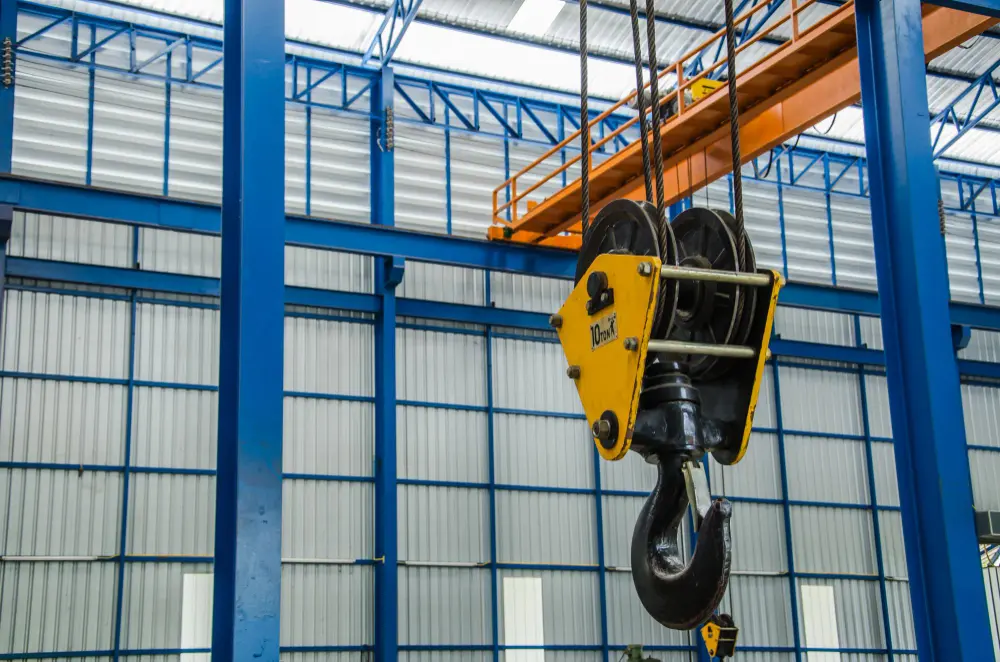
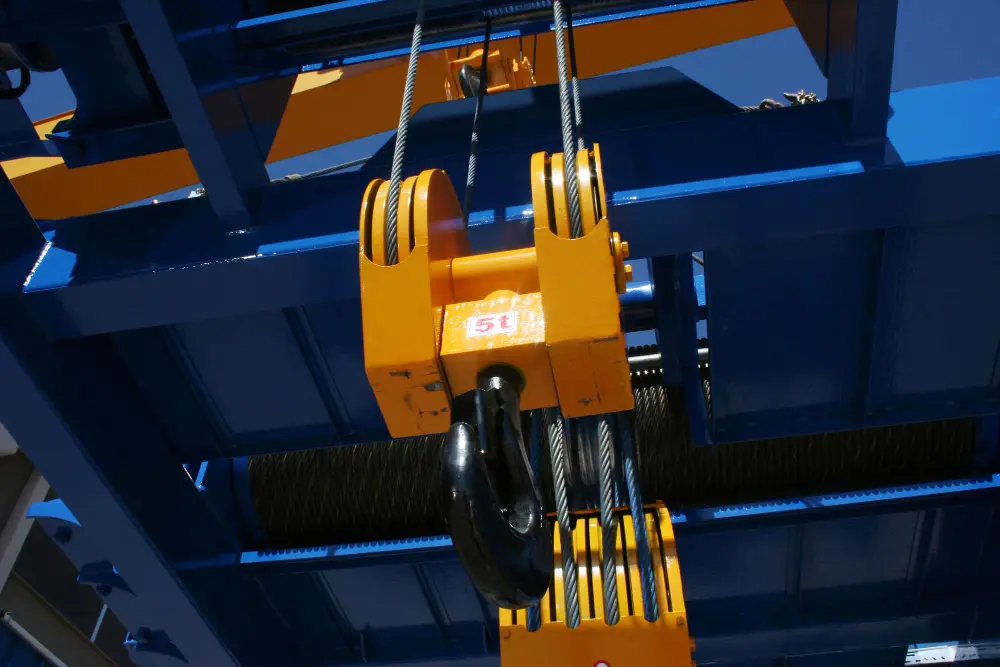
Critical load-bearing components such as hooks, chains, wire ropes, brakes, bearings, and gears are examined more closely. Measurements may be taken to verify wear limits and alignment.
Electrical and Control Systems
For powered lifting equipment, inspectors verify wiring integrity, limit switches, emergency stops, and control responsiveness. Faulty electrical systems can cause unpredictable movement or loss of control.
Load and Performance Testing
In some cases, equipment is tested under controlled load conditions to verify lifting capacity, braking performance, and stability. This confirms that the equipment performs as designed under stress.
Inspection Frequency and Timing
Inspection schedules depend on how often equipment is used and the environment it operates in. High-use or harsh environments require more frequent inspections than lightly used equipment in controlled conditions.
Common inspection intervals include:
- Pre-use checks: Quick visual reviews performed by operators before each shift
- Routine inspections: Conducted weekly or monthly by trained personnel
- Periodic inspections: In-depth evaluations performed quarterly or annually by qualified inspectors
For regulated equipment, a documented hoist inspection is often required to demonstrate compliance and safe operation, especially when equipment is used to lift personnel or critical loads.
Who Should Perform Inspections?
Not all inspections require the same level of expertise. Operator checks focus on visible issues and basic functionality, while routine and periodic inspections require trained maintenance staff or certified inspectors.
Qualified inspectors understand:
- Manufacturer specifications
- Wear tolerances and rejection criteria
- Applicable OSHA and ANSI standards
- Proper documentation and corrective action procedures
Using unqualified personnel for detailed inspections increases the risk of missed defects and non-compliance.
Documentation and Recordkeeping
Inspection records are as important as the inspection itself. Proper documentation demonstrates compliance, supports maintenance planning, and provides traceability if an incident occurs.
Inspection records should include:
- Equipment identification
- Inspection date and type
- Inspector name and qualifications
- Observed conditions and measurements
- Corrective actions taken or required
Maintaining organized records helps businesses track equipment condition trends and plan repairs before failures occur.
Common Issues Found During Inspections
Safety inspections frequently uncover issues that develop gradually over time, including:
- Chain or wire rope wear beyond acceptable limits
- Hook deformation or throat opening
- Brake slippage or delayed stopping
- Misaligned components causing uneven load distribution
- Electrical faults or damaged insulation
Addressing these issues early prevents accidents and reduces repair costs compared to emergency fixes after failure.
Integrating Inspections Into Daily Operations
Inspections are most effective when they are part of daily operations, not isolated tasks. Businesses that integrate inspection awareness into training and workflows create safer environments.
Best practices include:
- Training operators to recognize warning signs
- Encouraging immediate reporting of unusual behavior
- Scheduling inspections to minimize downtime
- Coordinating inspections with maintenance programs
When inspections are viewed as preventive tools rather than interruptions, overall equipment reliability improves.
The Role of Professional Service Providers
Professional inspection and maintenance providers bring experience, specialized tools, and regulatory knowledge that internal teams may lack. They can identify subtle issues, perform load testing, and ensure documentation meets compliance requirements.
Working with an experienced provider like Zo-Air helps businesses maintain consistent inspection standards, reduce liability, and extend equipment life. Professional support also ensures that corrective actions are completed correctly and efficiently.
Frequently Asked Questions
Inspections identify worn or damaged components before failure occurs. By addressing issues early, inspections prevent dropped loads, uncontrolled movements, and equipment malfunctions that lead to injuries.
Equipment that fails must be removed from service until repairs or adjustments are completed. Continued use after a failed inspection increases safety risks and regulatory exposure.
Records should be detailed enough to show what was inspected, what condition it was in, and what actions were taken. Clear documentation supports compliance and maintenance planning.
Operators can and should perform pre-use checks, but detailed inspections must be handled by trained or qualified personnel who understand standards and wear limits.
Regular inspections reduce unexpected failures, extend equipment lifespan, and lower overall repair costs by addressing issues before they escalate.