Monorail cranes are essential for moving heavy materials safely and efficiently across industrial environments, warehouses, and manufacturing facilities. Understanding what common issues are fixed during monorail crane repairs helps businesses recognize problems before they lead to expensive downtime or workplace hazards. According to the Occupational Safety and Health Administration, poor maintenance and equipment failures contribute to thousands of workplace incidents each year, making preventive servicing critical for industrial lifting systems. Businesses that invest in routine monorail crane repair and inspections often improve safety, productivity, and equipment lifespan while reducing costly disruptions.
What are common issues fixed during monorail crane repairs?
Industrial lifting systems experience daily wear due to repeated use, heavy loads, environmental exposure, and mechanical stress. Over time, components begin showing signs of failure that require immediate attention. During monorail crane repair services, technicians typically focus on restoring damaged mechanical systems, electrical components, tracks, hoists, and safety mechanisms.
Ignoring small problems often causes larger operational failures that disrupt workflows and create expensive repair costs. Businesses relying on material handling equipment maintenance should understand the most frequent problems addressed during servicing to maintain reliable performance.
Why do hoist system failures happen so often?
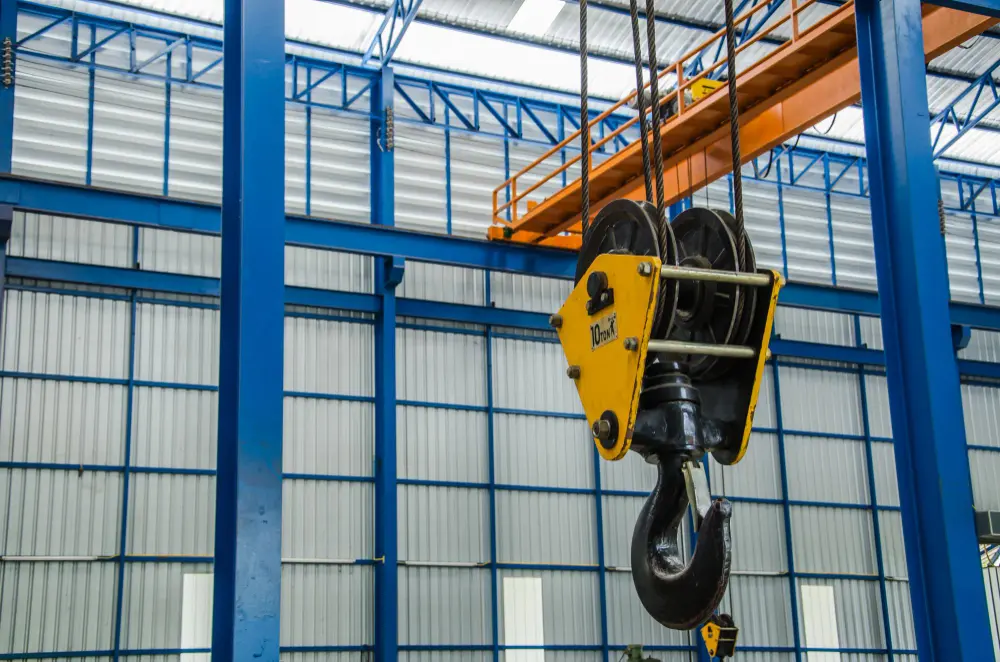
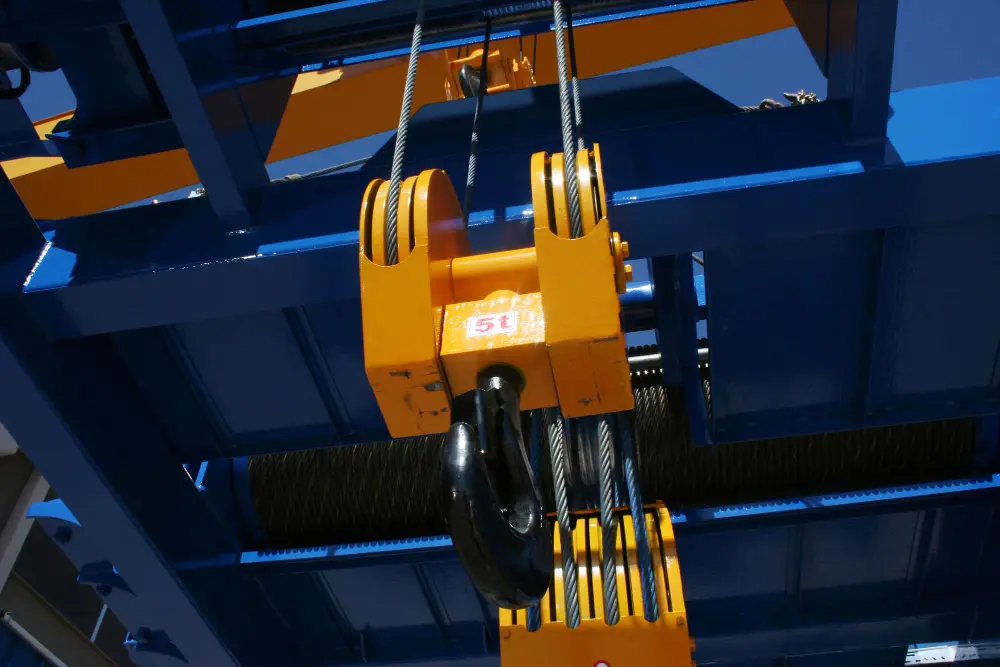
The hoist system is one of the most heavily used parts of any monorail crane. Because it handles constant lifting and lowering movements, excessive strain eventually affects performance. During monorail hoist system repair, technicians commonly address damaged chains, worn cables, broken hooks, motor problems, and inconsistent lifting speed.
A failing hoist often produces warning signs before a complete breakdown occurs. Operators may notice strange noises, delayed lifting, uneven movement, or difficulty handling normal loads. These signs indicate immediate servicing may be necessary.
How does wear affect lifting performance?
Repeated lifting cycles naturally create stress on components responsible for carrying heavy materials. Bearings, pulleys, and moving parts begin wearing down after continuous use, reducing efficiency and increasing operational risks.
What happens if hoist issues are ignored?
Neglecting hoist problems may result in sudden failures that interrupt production and increase safety concerns. Businesses depending on industrial lifting equipment repair should address even minor performance issues before the equipment becomes unreliable.
How do track alignment problems affect performance?
Monorail systems depend heavily on properly aligned tracks for smooth movement. Misalignment is one of the most common issues addressed during monorail track system maintenance because uneven tracks reduce movement accuracy and place stress on surrounding components.
Track problems may develop due to structural movement, frequent heavy loading, accidental impacts, or worn mounting hardware. When rails become uneven, crane travel may feel jerky or inconsistent, making material transportation difficult.
What signs indicate track problems?
Operators often notice grinding sounds, unusual vibrations, or movement resistance when alignment becomes compromised. These signs suggest that professional servicing is necessary to avoid further structural damage.
Why is proper track maintenance important?
Well-maintained tracks improve movement efficiency while reducing pressure on motors and trolley systems. Businesses investing in monorail material handling system repair often experience fewer interruptions and longer equipment life.
Can electrical failures stop operations completely?
Electrical problems frequently disrupt monorail crane performance and may create dangerous working conditions if ignored. During overhead monorail repair and servicing, technicians commonly inspect control panels, electrical wiring, switches, motors, and emergency shutoff systems.
Faulty electrical systems often cause inconsistent crane movement, unresponsive controls, or complete operational failure. Since cranes depend heavily on electrical performance, routine inspections remain critical for preventing sudden breakdowns.
What electrical components fail most often?
Damaged wiring, overloaded circuits, worn contactors, and control malfunctions are among the most common electrical issues. Environmental conditions such as dust, moisture, and heat can accelerate wear and reduce equipment reliability.
How can businesses reduce electrical failures?
Scheduling regular inspections helps identify damaged electrical parts before they affect operations. Preventive industrial monorail equipment maintenance improves reliability while reducing emergency repair costs.
Why do wheels and trolley systems wear down?
The trolley system allows materials to move smoothly across the monorail path, making wheel condition essential for efficient performance. Over time, wheels experience friction, weight pressure, and repeated movement that contribute to gradual wear.
During monorail conveyor repair solutions, technicians often replace damaged trolley wheels, adjust wheel alignment, and inspect mounting systems to improve operational efficiency.
What causes trolley movement problems?
Movement issues commonly develop because of worn bearings, poor lubrication, misalignment, or debris buildup along the track. These problems often create uneven travel and increase stress on nearby components.
How does lubrication improve performance?
Proper lubrication reduces friction and helps mechanical parts operate smoothly. Without routine maintenance, metal components wear faster and become more vulnerable to damage.
Are structural issues a common repair concern?
Structural damage is another issue regularly addressed during monorail lifting system restoration projects. Continuous use places enormous stress on beams, welds, supports, and mounting brackets, eventually causing deterioration.
Even minor structural damage should never be ignored because it may compromise lifting safety. Technicians performing monorail crane troubleshooting services carefully inspect all supporting structures for signs of fatigue.
What structural problems are usually repaired?
Common repairs include reinforcing weakened supports, tightening loose hardware, replacing damaged welds, and correcting metal fatigue. Rust and corrosion also require immediate attention because they weaken structural integrity over time.
Why do environmental conditions matter?
Facilities exposed to moisture, chemicals, or temperature fluctuations often experience faster equipment deterioration. Regular inspections help businesses prevent long-term damage before costly repairs become necessary.
How do braking and safety systems become damaged?
Safety systems play a critical role in preventing workplace accidents, making them a major focus during industrial lifting equipment repair. Brake failures, worn sensors, and malfunctioning emergency controls can significantly increase operational risks.
A damaged braking system may struggle to hold heavy loads securely, increasing the possibility of dropped materials or unstable lifting conditions. Regular testing ensures emergency systems function correctly when needed.
What warning signs indicate brake problems?
Operators may notice delayed stopping, inconsistent braking performance, or unusual sounds during operation. These symptoms often indicate that immediate servicing is necessary.
Why should safety inspections happen regularly?
Routine inspections help businesses identify hidden hazards before accidents occur. Facilities investing in preventive maintenance typically maintain stronger compliance with workplace safety regulations.
Could operator errors lead to equipment damage?
Even advanced lifting systems can experience failures caused by improper operation. Incorrect loading techniques, overloading, poor handling practices, and inadequate training frequently contribute to repair needs.
Over time, repeated misuse accelerates wear on motors, tracks, and lifting systems. Businesses prioritizing operator education often experience fewer breakdowns and lower maintenance costs.
How does training improve equipment lifespan?
Well-trained operators understand load limitations, safe movement procedures, and early warning signs of equipment trouble. Proper handling reduces unnecessary stress on crane systems and improves workplace efficiency.
Why should businesses refresh operator training?
Regular refresher sessions help employees stay informed about updated procedures and reinforce safe operating habits that minimize repair issues.
What role does preventive maintenance play in reducing repairs?
Preventive maintenance remains one of the most effective strategies for avoiding expensive failures. Businesses using material handling equipment maintenance programs often discover minor issues before they become serious operational problems.
Routine inspections help technicians monitor wear patterns, replace aging parts, and identify hidden concerns affecting performance. Preventive care reduces emergency downtime while improving overall productivity.
What happens during a maintenance visit?
During a maintenance visit, trained professionals carefully evaluate every major component of the lifting system to identify wear, performance issues, or hidden safety concerns. Technicians typically inspect structural components, hoists, electrical systems, tracks, braking mechanisms, control systems, and load-bearing parts to ensure everything functions properly. They also examine hooks, chains, trolley wheels, motors, and mounting hardware for signs of damage, corrosion, or excessive wear that may affect reliability.
In addition to physical inspections, maintenance professionals often test crane movement, lifting accuracy, emergency stop functions, and overall operational performance. Lubrication may be applied to moving parts to reduce friction and improve efficiency, while worn or damaged components may be repaired or replaced before they create larger issues. Early intervention during routine maintenance helps businesses prevent sudden breakdowns, avoid expensive emergency repairs, and maintain a safer workplace for employees.
Why do companies benefit from scheduled service?
Companies benefit significantly from scheduled service because preventive maintenance reduces the risk of unexpected equipment failures that can interrupt operations and increase costs. Organizations with proactive maintenance plans usually experience fewer disruptions, safer work environments, and lower repair expenses compared to businesses that wait for systems to fail before taking action. Consistent servicing also improves equipment performance by keeping components operating smoothly and identifying hidden issues before they become serious concerns.
Scheduled inspections help extend the lifespan of expensive lifting equipment while improving workplace productivity and compliance with safety standards. Businesses that prioritize regular maintenance often experience reduced downtime, better operational efficiency, and stronger confidence in the reliability of their equipment. Over time, investing in scheduled service can save companies substantial money by preventing major repairs and minimizing operational delays.
How can businesses improve equipment reliability with monorail crane repair?
Reliable lifting systems require consistent care, proper operation, and timely repairs to remain productive. Businesses that ignore warning signs often face costly disruptions, reduced efficiency, and avoidable safety risks.
Professional monorail crane repair services help businesses restore damaged components, improve system performance, and extend equipment lifespan. Whether addressing electrical failures, hoist wear, track alignment issues, or structural concerns, prompt servicing keeps operations running smoothly.
At Zo-Air, businesses can access dependable expertise for inspections, repairs, and industrial lifting solutions designed to improve workplace safety and operational efficiency. If your equipment shows signs of wear or reduced performance, now is the time to schedule professional support and keep your lifting systems working reliably.
FAQs
Inspection frequency depends on usage, load volume, and workplace conditions. Facilities using cranes daily often benefit from monthly visual inspections and annual professional evaluations to identify wear before serious problems develop.
Motor failures usually result from overheating, electrical problems, poor lubrication, or excessive strain caused by overloading. Regular maintenance helps technicians identify warning signs and replace worn components before complete failure occurs.
Yes, damaged or misaligned tracks can create movement instability, uneven load travel, and added stress on mechanical systems. Immediate repairs help prevent accidents and reduce long-term equipment damage.
Preventive maintenance improves reliability by addressing small issues early. Regular inspections reduce downtime, improve workplace safety, and extend the life of expensive equipment while helping businesses avoid unexpected repair expenses.
Companies should schedule service whenever unusual noises, jerky movements, lifting inconsistencies, or electrical problems appear. Early intervention helps prevent costly repairs and ensures lifting systems continue operating safely and efficiently.