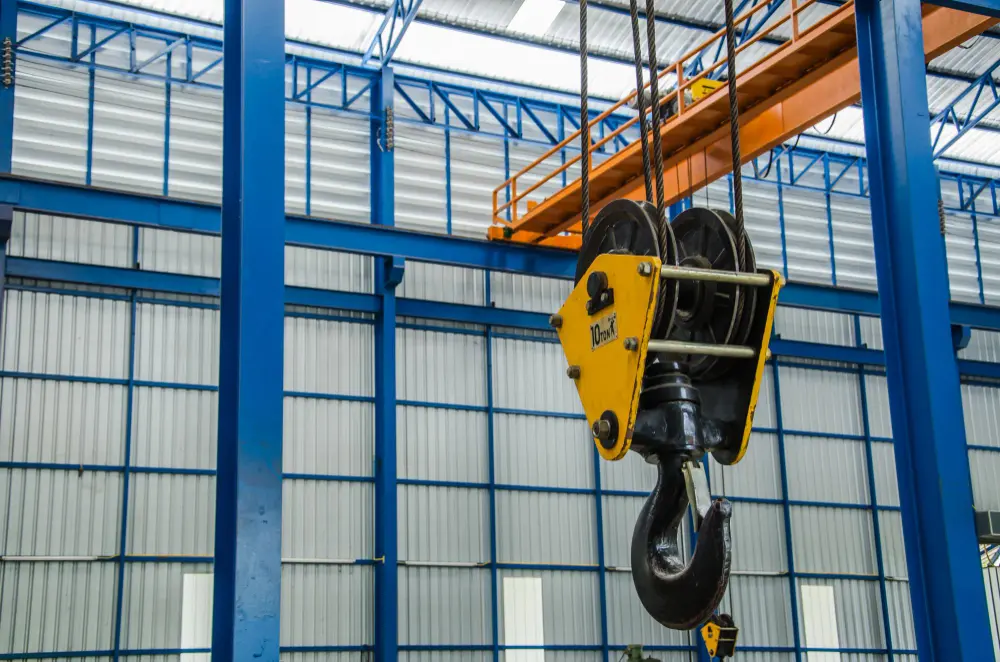
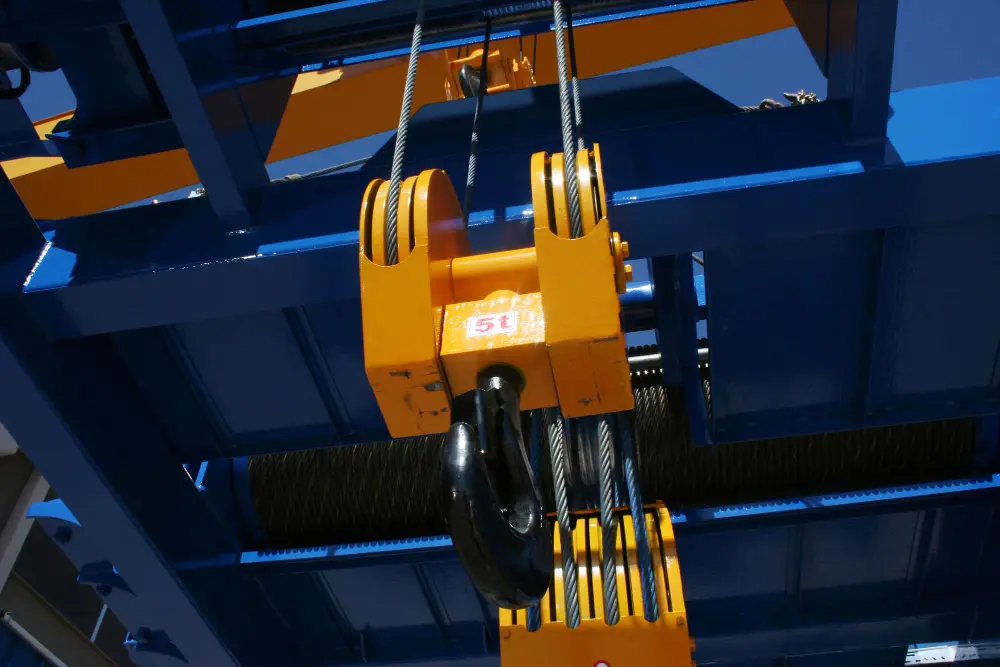
Maintain your industrial hoists; it’s not only good practice but also vital to stay legal and operational. It’s not only about keeping people safe. It also extends the life of the equipment and avoids those costly breakdowns that put a halt to the production lines. If you use hoists every day at your facility, industrial hoist maintenance tips can help you maintain a safe and efficient workplace.
Zo-Air offers custom solutions for any sector and professional aid with inspections, certification, and servicing. Zo-Air’s team of professionals is on hand, so you can focus on compliance, safety, and productivity.
Why is Maintenance of Industrial Hoists So Important?
Industrial hoists are put under a lot of stress, lifting huge weights for hours on end, shift after shift. Mechanical parts wear out, ropes fray, brakes fail, and electrical failures occur. These small problems become fatal failures without regular care.
Regularly scheduled hoist servicing catches these faults before they become bigger problems. A hoist malfunction in the middle of a lift can damage equipment, but it also places personnel directly in harm’s way. OSHA and ASME requirements make it clear that routine maintenance is not an option.
How Often Should You Test Your Hoist?
The frequency of hoist testing depends on several factors, including how often the equipment is used, the weight of the loads it lifts, and the environment in which it operates. To maintain safety and ensure reliable performance, regular inspections and maintenance should be carried out according to a structured schedule. Daily inspections should be performed by the operator before each use to check for visible damage, unusual noises, proper brake operation, and the condition of the hook. Monthly inspections should include examining the wire ropes, limit switches, and electrical connections to ensure that all components are functioning correctly.
In addition, annual inspections should be conducted by a qualified professional who thoroughly examines the lifting mechanism, load-bearing components, structural parts, and safety devices to verify that the hoist meets safety standards. If the hoist is involved in an accident, overloaded, struck by an impact, or experiences any abnormal event, a comprehensive inspection should be completed before it is returned to service. Following these inspection intervals helps improve workplace safety, reduce downtime, extend the equipment’s lifespan, and ensure consistent operational reliability.
What Is a Proper Overhead Hoist Inspection?
An overhead hoist inspection goes well beyond simply turning the equipment on and watching it move. A seasoned inspector understands that a hoist consists of multiple interconnected systems, and each one must be examined individually to provide an accurate assessment of its overall condition.
During an overhead hoist inspection, the hook and latch should be carefully examined for bending, cracks, or signs of excessive stress, while the latch must close securely without any looseness. The wire rope or chain should be inspected for broken wires, kinks, corrosion, or excessive stretching that exceeds the manufacturer’s recommended limits, as these are common signs of wear caused by overloading. The braking system must also be tested to ensure that it engages quickly and holds the load securely without slipping, as any delay or movement under load is a serious safety concern.
The inspection should also include the limit switches, which must activate correctly at the upper and lower travel limits to prevent overtravel and potential damage. Electrical components, including wiring, terminals, and grounding connections, should be checked for fraying, corrosion, or other defects that could create safety hazards. Finally, the trolley and hoist structure should be thoroughly inspected for cracks, damaged welds, and worn wheels or rails, as any structural issue can compromise the overall safety and performance of the lifting system and should be addressed immediately.
Every one of these areas is important. Skipping even a single component during the inspection could leave an underlying problem undetected, potentially leading to equipment failure, costly repairs, or, even worse, a serious workplace accident.
Are You Doing Your Lifting Equipment Inspection Correctly?
Many facilities fall into the trap of treating the lifting equipment inspection as a check-box exercise. Inspectors look for obvious problems and then move on. This method is unable to detect concealed wear patterns and early-stage failures, leading to accidents.
Inspections must be carried out by trained personnel who understand the performance of hoists under real working conditions. They know where the stress is concentrated, what wear looks like at various stages, and what measurements are indicative of a component approaching its service limit. Nothing gets past when you combine seasoned eyes with current inspection checklists aligned with ASME B30.2 and B30.16 standards.
What Are the Best Practices for Preventive Hoist Maintenance?
Preventive hoist maintenance focuses on addressing potential issues before they become serious problems, helping improve reliability, enhance workplace safety, and extend the equipment’s service life. Regular lubrication of gears, chains, wire ropes, and bearings using manufacturer-recommended lubricants reduces friction and prevents premature wear. Keeping the hoist and its surrounding environment clean also helps protect components from dust, debris, moisture, corrosion, and mechanical damage. In addition, operators should always follow the rated load capacity, as even occasional overloading can lead to cumulative internal damage and reduced equipment performance.
Routine maintenance should also include verifying the alignment of hoists and trolleys, as misalignment can create uneven stress on rails and structural components. Worn parts such as brake pads, wire ropes, and slings should be replaced according to the manufacturer’s recommendations before reaching the end of their service life. Maintaining detailed maintenance records supports compliance requirements and helps monitor equipment condition over time. Regular operator training and refresher sessions further promote safe operating practices, reduce unnecessary wear, and help identify potential issues before they develop into costly repairs or unexpected downtime.
Why Is Hoist Compliance Testing Important?
Hoist compliance testing is performed to identify whether an operational hoist has met the set safety standards. This test is also performed if the hoist is returning to service post-repair. Hoist compliance testing always includes a load test, which requires operators to run the hoist at a specific percentage of the hoist’s rated capacity to verify whether the hoist’s systems operate correctly.
Hoist compliance testing has multiple functions, such as:
Hoist compliance testing serves several important purposes in maintaining workplace safety and operational reliability. It helps verify the structural integrity of the hoist after repairs or modifications, ensuring that the equipment remains safe for continued use. The testing process also provides documented evidence that the hoist meets established safety standards and regulatory requirements. In addition, compliance testing gives facility managers confidence that the hoist can be safely used in daily operations while helping organizations reduce potential liability risks by demonstrating that proper inspections and safety procedures have been followed in the event of an incident.
When Are Hoist Certification Services Needed?
Hoist certification services are essential in multiple scenarios that all facility managers should understand. Certification is not simply required one time; it is required multiple times over the course of the equipment’s life cycle.
Certification services are required when a new hoist is installed and must be approved before being placed into operation. They are also necessary after significant repairs or major component replacements to verify that the equipment remains safe and fully functional. In addition, certification should be completed when annual inspection deadlines approach to comply with local regulations or insurance requirements. If a hoist has been involved in an incident, it must be certified before being returned to service. Certification is also recommended when a facility is preparing for a safety audit or regulatory inspection to demonstrate compliance with applicable safety standards.
How Can Material Handling Equipment Inspection Protect Your Bottom Line?
Material handling equipment inspection doesn’t end with the hoist. It covers the whole system, i.e., cranes, trolleys, runways, end trucks, and control systems. If one part of this system crashes, the whole operation is affected.
Unscheduled downtime from a piece of equipment breaking down is much more expensive than a planned inspection. Think about the long-term costs : production downtime, emergency repair costs, possible regulatory penalties, worker compensation claims, and a long-term hit to your reputation. Planned inspections convert unexpected breakdown costs into planned maintenance costs.
Key Industrial Hoist Maintenance Tips You Should Follow Every Day
To summarize, here is a concise reference set of industrial hoist maintenance tips that should be part of every facility’s operational culture:
-
- Start every shift with an operator-level visual and functional check.
-
- Report any unusual sounds, movements, or performance changes immediately; do not continue operating.
-
- Never bypass limit switches or safety interlocks for any reason.
-
- Do not leave slings and rigging on load hooks when not in use with the hoist.
-
- Be sure to inspect all rigging hardware before connecting it to the hoist.
-
- Maintenance should be done at a scheduled time, not in breakdowns.
-
- Maintain communication channels between operators and maintenance teams.
Safe Hoist Operations
Keeping industrial hoists requires skill, proper gear, and a big emphasis on safety. Zo-Air is there to cover all these bases. Need a routine check or a full certification test? We offer a reliable service. They help keep the facility safe and running smoothly. Contact Zo-Air today and let the professionals handle your hoist maintenance work.
FAQs:
How often should an industrial hoist be inspected?
Operators should check the hoist every day before their shift. Qualified maintenance staff need to do more detailed inspections each month and once a year.
What is the difference between hoist inspection and hoist certification?
An inspection checks the hoist’s current condition. Certification is official proof that the hoist meets all safety and regulatory standards.
Can operators do their own hoist maintenance?
Operators can do simple daily checks, but technical repairs, load testing, and certification should only be done by trained maintenance professionals.
What happens if a hoist doesn’t meet a compliance test?
The hoist needs to be taken out of service immediately. It needs to be fixed up to spec and tested again before it can be used again.
How often does a hoist need to be certified?
Most certifications have a 1-year life, but the actual time frame can vary depending on local laws, the amount of use on the hoist, and the industry standards in place.