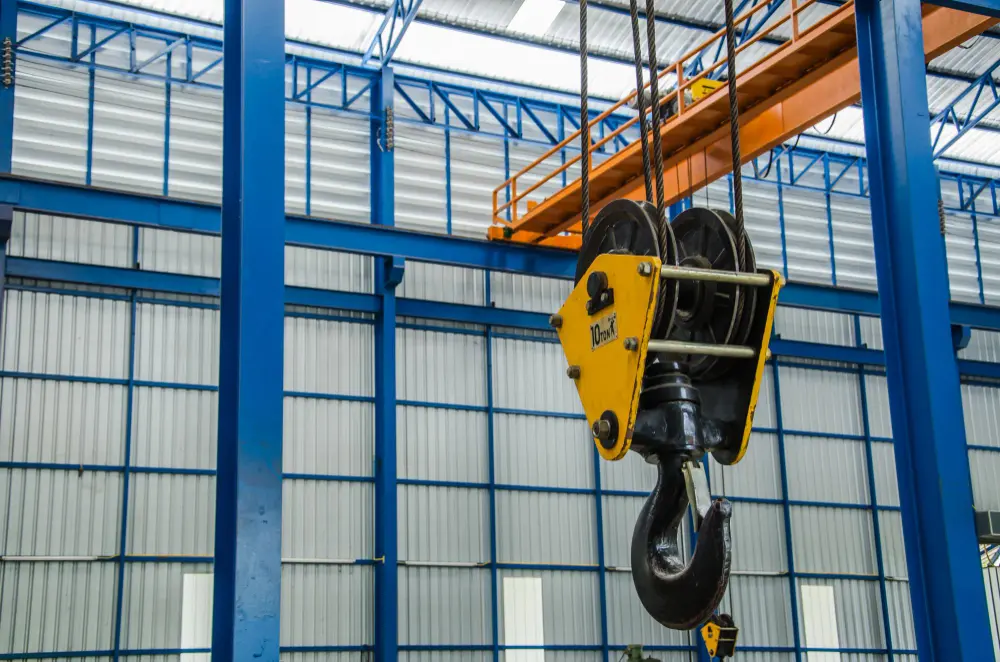
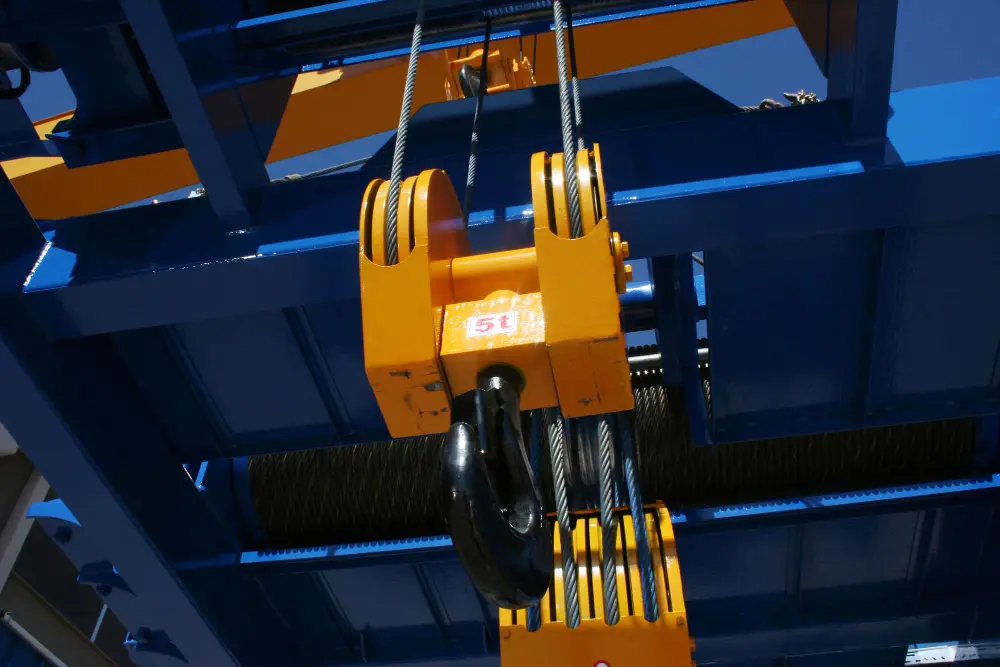
How to choose heavy-duty machinery starts with understanding your workload, operating conditions, and long-term business needs. The right machine is the one that fits your job properly, supports safe operation, improves efficiency, and delivers reliable performance over time. Instead of focusing only on price or machine size, choosing heavy-duty machinery should always be based on actual job requirements and long-term value. A well-planned machinery decision can reduce downtime, improve productivity, and support smoother operations.
Why the Right Machinery Matters
Machinery does much more than complete a task. It affects how smoothly operations run, how often repairs are needed, how safe the workplace remains, and how much a business spends over time. A machine that fits the work properly can improve efficiency and reduce delays. A machine that does not fit the job can create repeated breakdowns, safety concerns, and rising costs.
Some businesses focus too much on the upfront price. Others believe that buying a bigger machine will solve future problems. In reality, neither approach guarantees a good decision.
A machine that is too small may struggle with the workload and wear out faster. A machine that is too large may cost more to operate without giving practical benefits. The best equipment is usually the one that fits the actual job.
Choosing the right machinery can help improve:
- Productivity and operational efficiency
- Equipment reliability and lifespan
- Workplace safety and compliance
- Maintenance planning and repair costs
- Long-term return on investment
Poor equipment selection often creates long-term operational issues. Downtime, repair costs, and production delays can become regular problems. This is why machinery buying should always involve planning instead of guesswork.
Start with the Work First
Many buyers begin by comparing machine models, technical specifications, or brand names. That often happens too early.
The better starting point is the work itself.
Before looking at machinery, a business should understand what the equipment actually needs to do. This sounds basic, but it is often the step people rush through.
Industrial work is not the same everywhere. One machine may run continuously for long hours every day. Another may only be used for certain operations. Some applications involve heavy loads and repetitive work. Others need more control, precision, or limited use.
A business should first understand its own workload before looking at equipment options. It should think about what type of work the machine will perform, how often it will be used, what materials it will handle, and what level of performance is actually needed.
For example, machinery in a manufacturing facility may need continuous-duty performance because it runs all day. Equipment in another setting may only be used during specific tasks. These differences matter because machinery should always be selected based on real operating demands.
A machine that fits one business perfectly may not fit another at all.
That is why understanding the job comes first. A practical heavy-duty machinery buying guide always starts with understanding the work before comparing equipment options.
Capacity Should Match the Actual Need
Load capacity is one of the most important things to review when buying heavy-duty machinery. At the same time, it is one of the areas where businesses often make mistakes.
Some buyers assume that choosing equipment with more capacity is always better. That sounds safe, but it is not always practical.
A machine with too much capacity may use more energy, cost more to maintain, and increase operating expenses. A machine with too little capacity may struggle under pressure, wear out faster, and create safety risks.
Neither option is a good one.
The right approach is to look at actual workload requirements instead of guessing. A business should review how much load the equipment will handle, how often it will operate, what production speed is needed, and what kind of work pressure the machine will face.
For example, cranes, hoists, and lifting systems should always match safe working load requirements. Choosing capacity based on assumptions can create performance issues and safety concerns.
Buying more capacity than needed does not always create better value. Buying the right capacity usually does.
The Workplace Matters Just as Much as the Machine
A machine may look perfect in a catalog, but real work does not happen in a catalog.
It happens inside a workplace, and that workplace matters. A machine that works well in one facility may not work the same way in another because operating conditions can be very different.
Before buying equipment, businesses should think about floor space, structural support, ceiling height, access pathways, ventilation, moisture, dust, temperature, and general working conditions.
These things may not seem exciting compared to machine specifications, but they often create major problems when ignored.
For example, bridge cranes need proper structural compatibility and overhead clearance, and ongoing maintenance services such as bridge crane repair can also help support long-term equipment performance. Outdoor machinery may need weather-resistant features. Indoor equipment may need a more compact design if space is limited.
If these details are ignored, installation problems and operating issues may show up later.
A machine should fit the work environment, not just the workload.
Safety Is Not Something to Add Later
Safety should be part of the buying decision from the beginning.
Heavy-duty machinery often works under pressure. If equipment does not support safe operation, workplace risks can increase quickly.
A machine should not only perform well. It should also help protect workers and support safe daily use.
Businesses should review safety features carefully before buying equipment. This may include emergency stop systems, warning systems, operator protection features, load safety controls, inspection requirements, and compliance support.
This becomes even more important in lifting operations, material handling, and repetitive industrial work, where equipment carries more operational risk.
Ignoring safety can lead to bigger problems than equipment failure. Accidents, equipment damage, legal issues, and workplace shutdowns can all become possible outcomes.
Zo-Air understands that safe operation is a core part of industrial equipment planning.
Maintenance Is a Big Part of the Decision
A machine may perform well when it is first installed, but long-term performance depends on maintenance.
This is something buyers sometimes underestimate.
Many businesses spend a lot of time comparing purchase prices, but they do not spend enough time thinking about service support.
That usually becomes a problem later.
Every machine needs maintenance. At some point, repairs may also be needed. A business should know what support will be available when that happens.
Before buying equipment, it helps to review repair service access, preventive maintenance requirements, replacement part availability, technical support, and service response times.
A machine that is difficult to repair can create long delays and increase downtime. Even a good machine can become frustrating if replacement parts are hard to find or if repair support is limited.
This is especially true for cranes, lifting systems, and industrial equipment that operate under demanding conditions.
Maintenance should be part of the buying process, not something businesses think about after the machine has already been installed.
Do Not Look Only at the Price Tag
A machine’s purchase price is easy to see. The long-term cost is not.
That is where many businesses make mistakes.
A lower-priced machine may seem like a smart decision in the beginning. However, the real cost of ownership includes much more than the initial purchase amount.
Repair expenses, maintenance costs, energy use, replacement parts, operator training, downtime risk, and machine lifespan all affect what the equipment will actually cost over time.
This is why two machines with very different prices may create completely different long-term results.
A machine that costs less today may cost more over several years if it creates repeated repair issues or operating problems.
Businesses should think about:
- Energy use
- Maintenance costs
- Repair frequency
- Replacement parts
- Downtime risk
- Equipment lifespan
- Operator training needs
Looking at total ownership cost often gives a clearer picture than looking only at the upfront price.
The Right Equipment Partner Can Help
Buying industrial machinery is not always simple because machine specifications do not tell the full story.
A product sheet may explain features, dimensions, and capacity. It does not explain how the equipment will perform in your actual working environment.
This is why businesses often work with experienced equipment providers.
A reliable equipment partner can help review machine suitability, installation requirements, maintenance planning, inspections, repair support, and safety concerns.
This reduces the chances of making a costly buying mistake.
Zo-Air supports industrial businesses through equipment guidance, inspections, maintenance services, and technical expertise. That kind of support can make machinery buying easier and more practical.
Think Beyond Today’s Workload
A machine may fit today’s workload perfectly, but what about next year?
Business needs often change. Production may increase. New projects may come in. Workloads may become heavier. Additional shifts may be added.
If machinery is selected only for today’s needs, it may become inadequate much sooner than expected.
That can lead to another major equipment purchase earlier than planned. Thinking about future growth does not mean buying oversized machinery without reason. It means choosing equipment that can support practical growth where possible.
That approach often improves long-term value.
Conclusion
Choosing heavy-duty machinery is not about buying the biggest machine or finding the lowest price. It is about choosing equipment that fits the work, supports safety, performs reliably, and makes sense for long-term operations.
A machine that fits the job properly can improve efficiency, reduce downtime, and support a smoother workflow. A poor equipment decision can create repeated costs and ongoing problems.
Zo-Air helps businesses evaluate machinery needs and support long-term equipment performance through inspections, maintenance services, equipment guidance, and industrial support solutions.
With the right planning, businesses can make better equipment decisions and improve long-term operational performance.
Frequently Asked Questions
The first step is understanding the work itself. A business should know what type of job the machine will perform, how often it will be used, what load it will handle, and where it will operate. This creates a clear starting point for comparing equipment options.
Load capacity matters because the machine must be able to handle the workload safely and efficiently. Equipment with lower capacity may struggle during operation, while oversized machinery may increase costs unnecessarily. The right balance supports both safety and performance.
Maintenance affects equipment reliability, repair costs, and machine lifespan. Businesses should review service support, replacement parts, repair access, and preventive maintenance needs before buying machinery. Good maintenance planning can reduce downtime and improve long-term equipment performance.
No, the purchase price is only one part of the decision. Businesses should also consider long-term operating costs such as maintenance, repairs, downtime risks, energy use, and equipment lifespan before making a final choice.
Industrial equipment experts can help businesses understand technical needs, safety requirements, operating conditions, and long-term goals. Their guidance can reduce buying mistakes and improve the chances of selecting machinery that performs well over time.