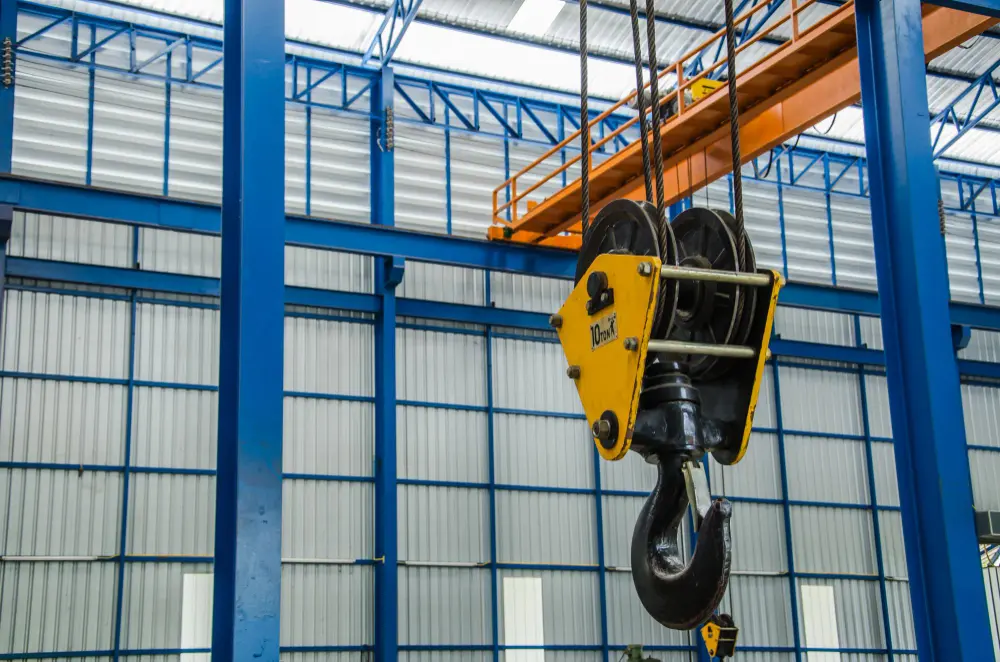
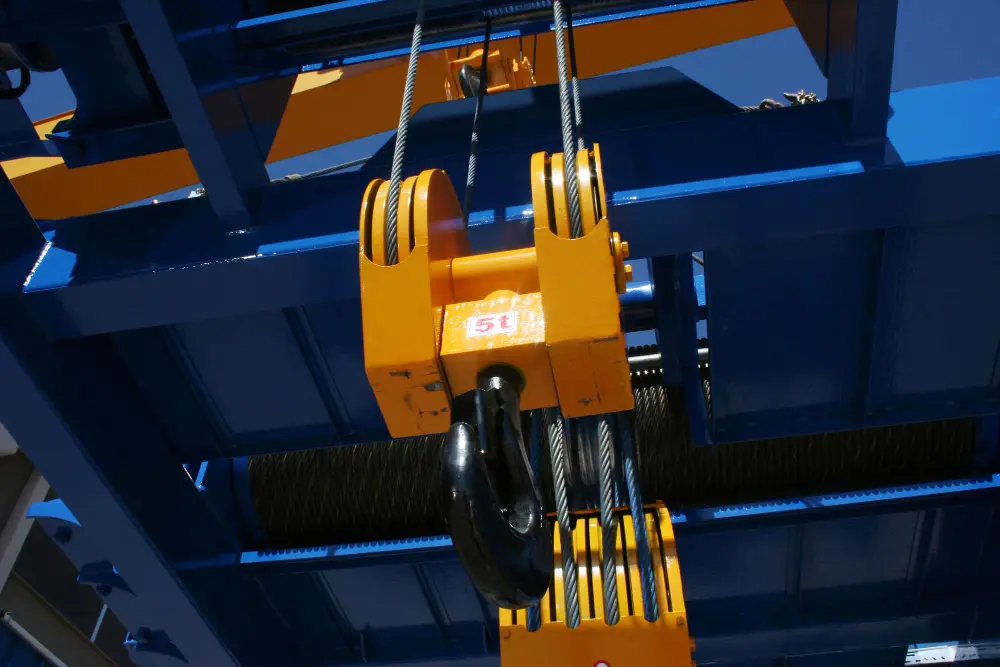
If you are looking for safe and reliable jib crane safety checks, the best place to begin is with routine jib crane inspection services carried out by trained professionals. These inspections help you identify small problems before they grow into serious ones, prevent unexpected breakdowns, and keep your lifting equipment in the kind of condition that makes daily operation genuinely safe. They also help your business stay compliant with safety requirements and keep your workflows running without costly interruptions. When cranes are part of everyday operations, inspection is not an optional extra. It is a necessary and expected part of the job.
What Is a Jib Crane Inspection?
A jib crane inspection is a thorough assessment of the crane and all of its key components. The purpose behind it is straightforward. The crane needs to be safe, functional, and ready for use at all times. Jib cranes are designed to lift and move heavy loads on a regular basis, and that kind of work places significant stress on the equipment over time. Parts wear down gradually, connections loosen, and components that once performed perfectly begin to show signs of fatigue. In many cases, these changes are not immediately visible to the untrained eye. However, if they go undetected for too long, they can lead to failures that are far more serious and far more expensive to address.
During a proper inspection, trained professionals examine the structure, the moving parts, and the control systems in a systematic and methodical way. Service providers such as Zo Air Company follow a clear and practical process in which each component receives careful attention. Nothing is overlooked, and the findings are documented so that any necessary action can be taken promptly. This structured approach is what ensures the crane continues to operate safely day after day.
Why Routine Jib Crane Inspection Services Matter
Safety in any workplace depends directly on the condition of the equipment being used. For this reason, routine jib crane inspection services are not simply a regulatory requirement. They are a genuine investment in the well-being of your workers and the reliability of your operations.
Regular inspections allow you to catch small problems while they are still manageable. A component that is worn but still functioning may seem harmless today, but it carries the potential to fail at exactly the wrong moment if it is not addressed. Inspections reduce that risk significantly. A crane that has not been checked properly can fail while it is actively lifting a load, and the consequences of that kind of failure can include serious injury and significant property damage.
Beyond the immediate safety benefits, inspections help you stay aligned with the safety regulations that govern your industry. Many sectors require documented evidence of regular checks, and failing to provide that documentation can result in penalties or forced shutdowns. Regular jib crane safety inspections also demonstrate to your workforce that their safety is taken seriously, which contributes positively to the overall culture of your workplace.
What Happens During a Jib Crane Inspection?
A thorough inspection is conducted in several stages, with each stage focused on a different aspect of the crane’s overall condition and performance.
The process typically begins with a visual inspection. Inspectors walk around the crane and examine it carefully from the outside, looking for cracks, signs of rust, weld failures, and any components that appear loose or misaligned. This initial stage is designed to surface obvious problems quickly before more detailed checks begin.
Following the visual review, inspectors move on to the mechanical components. The hoist, trolley, gears, and braking systems are all examined to confirm that they are moving correctly and functioning as intended. This part of the process falls within what is commonly described as periodic jib crane maintenance checks, and it focuses specifically on the parts that experience the most stress during regular operation.
The electrical system receives its own dedicated review. Wiring, control panels, limit switches, and safety interlock systems are all assessed to ensure they respond correctly and do not present any risk of malfunction during use. Electrical faults in crane systems can be particularly dangerous because they may not be visible and can affect the operator’s ability to control the equipment precisely.
The final stage involves load testing. The crane is put through its paces with an actual test weight to confirm that it can handle its rated capacity safely under conditions that reflect real working situations. This component of crane load testing services provides the clearest possible confirmation that the equipment is fit for purpose and ready for continued operation.
How Often Should You Schedule Inspections?
The right inspection frequency depends on how heavily the crane is used and in what kind of environment it operates. That said, most workplaces follow a tiered schedule that provides coverage at multiple levels.
Scheduled jib crane inspection services generally include brief daily checks carried out by the crane operator before use, more detailed monthly inspections to assess wear and identify developing issues, and comprehensive annual inspections performed by certified professionals. The daily checks are meant to catch anything that may have changed overnight or during the previous shift. Monthly inspections go deeper, examining the condition of components that change slowly over time. Annual inspections provide the most thorough review and produce the documentation that is typically required for compliance purposes.
For cranes that are used in high-intensity environments or for particularly demanding lifting tasks, inspection intervals may need to be shortened. A well-structured preventive jib crane inspection program takes these variables into account and ensures that checks are happening at the right frequency for your specific situation. Working with experienced providers such as Zo Air Company makes it much easier to maintain a consistent and appropriate inspection schedule.
Benefits of a Preventive Jib Crane Inspection Program
A preventive approach to crane maintenance is built on a simple but powerful idea. It is far better to find and fix a problem early than to wait until it causes a breakdown. The benefits of committing to this kind of program are practical, measurable, and felt across the entire operation.
Safety is the most immediate benefit. When workers know that the equipment they are using has been recently inspected and maintained, they can carry out their tasks with far greater confidence. That confidence matters both for individual performance and for overall workplace morale.
From a financial perspective, preventive inspection reduces the cost of repairs over time. Small issues that are addressed early rarely require expensive interventions. Left alone, however, those same issues can escalate into failures that require extensive parts replacement, prolonged downtime, and significant labor costs. The economics of prevention are compelling in almost every case.
Equipment performance also improves when a crane is maintained consistently. Movement stays smooth, lifting remains stable, and the overall experience of operating the equipment is more reliable. Over the long run, this kind of consistent care also extends the working life of the crane, which delays the cost of replacement and improves the overall return on your investment.
Why Choose Certified Jib Crane Inspection Services
Certified inspections are carried out by professionals who have been trained specifically for this kind of work and who follow established industry standards. The value of certified jib crane inspection services goes beyond the inspection itself. It includes the accuracy of the findings, the clarity of the reports, and the reliability of the documentation that is produced.
Professionals who provide industrial jib crane inspection services understand how different types of cranes are designed and how they behave under different working conditions. They are equipped to identify issues that a general observer would likely miss. Their reports provide a clear and defensible record of the crane’s condition, which is essential when audits take place or when questions arise about safety compliance.
Companies like Zo Air Company provide lifting equipment inspection services that are thorough, professionally documented, and designed to support safe and efficient operations across a wide range of industries.
Common Risks of Skipping Inspections
It may be tempting at times to delay an inspection when operations are busy or when the crane appears to be working fine. However, the risks associated with skipping inspections are significant and tend to compound over time.
Equipment failure is the most immediate risk. A problem that could have been identified and corrected during a routine inspection can instead develop into a sudden and complete breakdown, halting operations and requiring emergency repairs. Workplace accidents become more likely when equipment is not properly maintained, and the consequences of those accidents extend well beyond the physical harm to include legal liability, regulatory scrutiny, and lasting damage to your organization’s reputation.
Repair costs also tend to increase substantially when inspections are skipped. What might have been a minor and inexpensive fix at one point becomes a major and costly repair after the problem has had time to worsen. Regular professional jib crane inspection solutions protect you from this kind of avoidable financial burden.
The Role of Documentation and Choosing the Right Partner
Documentation is an often-overlooked but genuinely important element of crane inspection. Maintaining clear and accurate records of every inspection allows you to track the condition of your equipment over time, plan maintenance activities proactively, and demonstrate compliance with safety regulations during audits and reviews. Certified inspection providers maintain this documentation as a standard part of their service.
Choosing the right inspection partner is equally important. Look for providers with certified technicians who have hands-on experience with crane systems, who provide clear and thorough inspection reports, and who can support you in building a long-term maintenance and inspection plan that fits your operational needs. Providers such as Zo Air Company offer comprehensive inspection services designed to keep your equipment safe and your operations running without interruption.
Conclusion
Jib crane inspection is a fundamental part of safe and responsible operations. By committing to routine jib crane inspection services, you reduce risk, maintain performance, meet compliance requirements, and protect the people who rely on this equipment every day.
Regular inspections prevent failures before they happen and keep your crane in the kind of condition that supports efficient and confident daily use. Working with experienced providers like Zo Air Company ensures that every inspection is done thoroughly, on schedule, and with the level of care that your equipment and your workforce deserve. Schedule your inspection today and take the most direct step available toward a safer and more reliable workplace.
Frequently Asked Questions
What does a jib crane inspection include?
A jib crane inspection covers a full visual examination of the structure, a mechanical review of moving components such as the hoist and brakes, an assessment of the electrical systems and controls, and, in many cases, a load test to confirm that the crane can safely handle its rated capacity.
How often should jib cranes be inspected?
Most operations follow a schedule that includes daily pre-use checks by the operator, monthly inspections to assess wear and developing issues, and a comprehensive annual inspection by a certified professional. High-intensity operations may require more frequent checks.
What are the main benefits of regular crane inspections?
Regular inspections allow problems to be identified and corrected early, reduce the likelihood of unexpected breakdowns, improve worker safety, support regulatory compliance, and extend the overall working life of the equipment.
Who should carry out jib crane inspections?
Basic pre-use checks can be performed by trained operators. However, detailed mechanical, electrical, and structural inspections should always be carried out by certified professionals who have the necessary tools, training, and expertise to assess the equipment accurately.
What happens if crane inspections are skipped?
Skipping inspections increases the risk of equipment failure, workplace accidents, and safety violations. It also tends to result in higher repair costs over time as small problems develop into major ones. Maintaining a regular inspection schedule is the most effective way to avoid these outcomes.