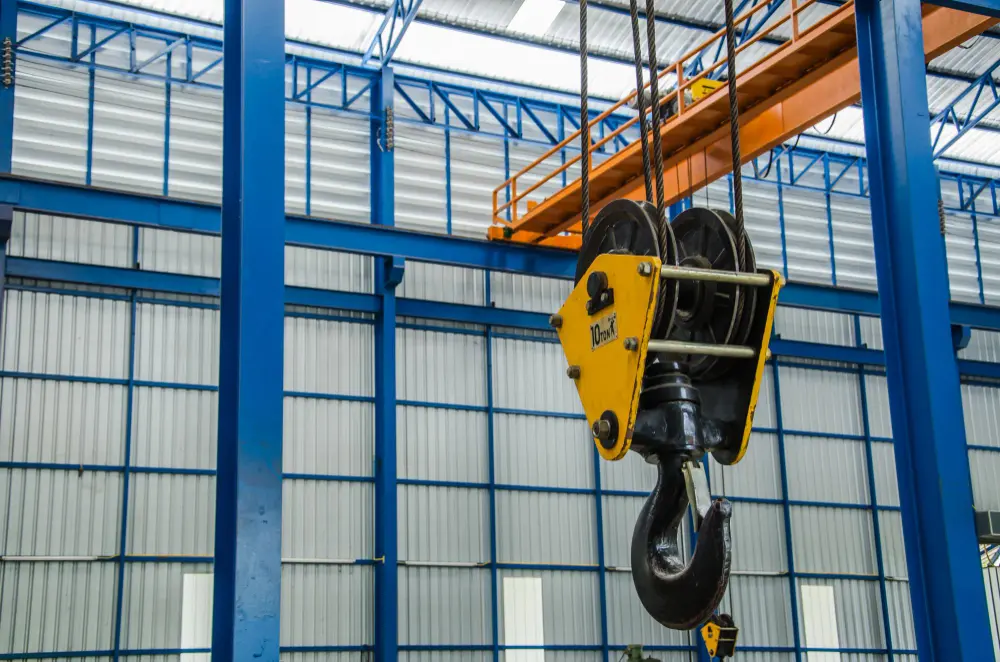
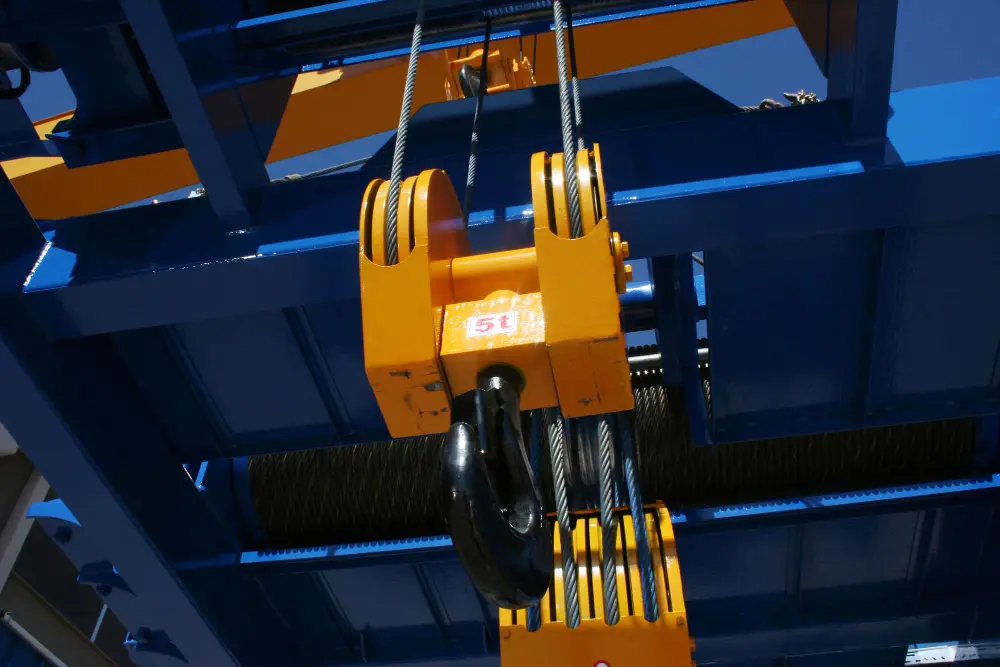
Hoists are used in many workplaces where heavy materials must be lifted and moved. Factories, warehouses, repair facilities, and construction sites depend on these machines every day. They help workers lift loads that would otherwise require significant physical effort. At the same time, lifting equipment must always be used carefully and maintained properly. When inspections are missed, the risk of equipment failure increases.
Workplace safety data shows why lifting equipment inspections matter. According to the U.S. Bureau of Labor Statistics, crane-related incidents caused 297 worker deaths in the United States between 2011 and 2017. These numbers highlight the importance of maintaining safe lifting equipment in industrial environments.
Because hoists handle heavy loads, even a small mechanical issue can become a serious safety concern. For this reason, companies should complete a workplace hoist safety evaluation on a regular basis. These evaluations allow maintenance teams to review equipment conditions and confirm that lifting systems operate safely.
Professional service providers such as Zo-Air assist industrial facilities with detailed inspections. Their technicians examine hoists, identify potential hazards, and help companies maintain safe lifting practices.
Why Workplace Hoist Safety Evaluation Matters
Lifting equipment performs demanding work every day. Hoists lift and lower heavy materials many times during normal operations. Over time, parts can gradually wear down. Chains may stretch, hooks may weaken, and electrical controls may become less reliable.
If these changes are not noticed early, equipment failure may occur during lifting operations. When a hoist fails under load, workers and materials can both be placed at risk.
A regular workplace hoist safety evaluation allows companies to check the condition of their lifting equipment before problems develop into serious hazards.
Several benefits come from performing routine safety checks.
- First, inspections support worker safety. Employees can operate lifting equipment more confidently when they know it has been inspected properly.
- Second, inspections help companies follow workplace safety regulations.
- Third, safety evaluations allow maintenance teams to identify worn components early.
- Fourth, regular inspections reduce unexpected equipment downtime.
- Finally, inspections often extend the overall lifespan of lifting equipment.
Because of these advantages, organizations should include a scheduled workplace hoist safety inspection as part of their maintenance program.
Zo-Air helps facilities perform these inspections so lifting equipment continues to operate safely.
Understanding Hoisting Equipment Safety Assessment
A hoisting equipment safety assessment is a structured review of lifting equipment. During this process, inspectors carefully examine the hoist system to determine whether it remains safe to use.
The inspection focuses on both the physical condition of the equipment and the way the hoist performs during operation.
Technicians examine mechanical parts such as chains, hooks, and load blocks. They also review electrical control systems and safety devices. In addition, they observe how the equipment behaves while lifting loads.
An Industrial hoist safety evaluation also confirms that the hoist operates within its rated lifting capacity. Each hoist is designed to lift a specific amount of weight. When that limit is exceeded, the equipment may fail.
Regular evaluations help prevent such situations. They allow maintenance teams to address mechanical wear before lifting equipment becomes unsafe.
Key Components of a Workplace Hoist Safety Inspection
A complete Workplace lifting hoist inspection includes several stages. Each stage focuses on a different part of the hoist system.
Mechanical Component Inspection
Mechanical components support the weight of lifted materials. Because of this responsibility, inspectors examine these parts very carefully.
Chains and wire ropes are reviewed for wear, stretching, and corrosion. Hooks are checked to confirm that they remain properly aligned and secure. Load blocks and gear systems are also examined.
Braking systems receive special attention during inspections. The brake must hold the load securely during lifting operations. A detailed workplace lifting equipment evaluation helps confirm that these mechanical parts remain strong and reliable.
Electrical System Review
Many hoists use electrical controls that guide lifting movement. These systems must function properly to maintain safe operation.
Inspectors review control switches, wiring connections, and limit switches. Emergency stop functions are also tested during the inspection.
Electrical faults can cause unexpected equipment movement. For this reason, control systems must always be examined carefully.
Operational Testing
Inspectors also observe how the hoist performs during operation. This stage helps confirm that the equipment behaves safely while lifting loads.
During a Hoist operational safety assessment, technicians observe lifting speed, braking response, and load stability. Operational testing provides valuable information about the overall condition of the hoist system.
Common Risks Found During Industrial Hoist Safety Evaluation
Hoists often operate in environments that place stress on equipment components. Dust, vibration, and heavy loads can affect lifting systems over time.
For this reason, a detailed Hoist risk assessment in the workplace is necessary.
During inspections, technicians frequently identify issues such as worn chains, damaged wire ropes, or weakened braking systems.
Electrical problems may also appear in control systems. Sometimes lifting hooks become misaligned or show signs of stress. Although these problems may seem small at first, they can lead to serious incidents if ignored.
A regular material handling hoist safety review allows companies to detect these problems early and perform repairs before equipment fails. Zo-Air helps organizations identify these risks and maintain safe lifting systems.
Importance of Hoist Safety Compliance Check
Workplace safety regulations require employers to maintain equipment in a safe working condition. Organizations such as OSHA provide guidance that helps companies manage lifting equipment safety.
A Hoist safety compliance check confirms that hoist systems meet these regulatory requirements.
Inspectors review equipment condition, maintenance history, and inspection schedules. They also confirm that lifting equipment is used according to proper operating procedures.
Documentation plays an important role in compliance inspections. Accurate records help demonstrate that equipment has been inspected regularly.
Zo-Air assists companies by providing inspection services that support safety compliance.
Inspection Frequency for Industrial Hoists
Inspection schedules depend on equipment usage and workplace conditions. However, most facilities follow a structured inspection process.
Operators often perform basic equipment checks before beginning work each day.
Maintenance teams may complete periodic inspections during scheduled service intervals.
Professional technicians normally perform a detailed evaluation once each year.
A regular Industrial lifting hoist inspection helps ensure that lifting equipment remains safe to operate.
Zo-Air provides inspection services that help facilities maintain consistent inspection schedules.
Signs Your Hoist Safety Evaluation May Be Overdue
Lifting equipment often shows warning signs before serious problems develop.
Workers may hear unusual sounds during lifting operations. In other cases, the hoist may move unevenly or operate more slowly than usual.
Braking problems, damaged chains, or electrical control issues may also indicate equipment concerns.
When these signs appear, a workplace hoist safety evaluation should be performed as soon as possible.
A prompt workplace hoist safety inspection allows technicians to determine the cause of the issue and restore safe equipment operation.
Zo-Air technicians conduct inspections that help facilities address these concerns quickly.
The Role of Preventive Maintenance
Inspections are an important part of lifting equipment safety. However, preventive maintenance is equally important.
Preventive maintenance includes lubrication, adjustment of mechanical parts, and replacement of worn components.
When maintenance tasks are completed regularly, equipment tends to operate more reliably.
Organizations that combine maintenance with regular inspections often experience fewer equipment failures.
Zo-Air helps facilities develop maintenance programs that support long-term lifting equipment safety.
Conclusion
Hoists play a valuable role in industrial workplaces. They help workers move heavy materials efficiently and safely. However, lifting equipment must always be inspected and maintained carefully.
A regular workplace hoist safety evaluation allows organizations to identify equipment issues early and reduce safety risks. These evaluations also help companies meet workplace safety requirements.
Facilities that follow routine inspection schedules create safer environments for workers and maintain reliable equipment performance.
Professional inspection providers such as Zo-Air help businesses maintain safe lifting systems through detailed hoist inspections and technical support.
Frequently Asked Questions
A workplace hoist safety evaluation is a careful inspection of lifting equipment used in industrial workplaces. Inspectors review the condition of important parts such as chains, hooks, brakes, and control systems. They also observe how the hoist performs during lifting operations. The goal is to confirm that the equipment works safely and can lift loads within its rated capacity.
A workplace hoist safety inspection helps identify worn or damaged parts before they cause accidents. Lifting equipment is used frequently and can wear down over time. Regular inspections help keep workers safe, reduce the chance of equipment failure, and ensure that hoists operate properly.
A hoisting equipment safety assessment includes checking mechanical parts, electrical controls, and safety devices. Inspectors review chains, hooks, brakes, wiring systems, and emergency controls. They also test the hoist during operation to confirm that the lifting movement and braking performance are working correctly.
Industrial hoist inspections should be performed regularly. Operators usually check equipment during daily use, while maintenance teams may perform periodic inspections. In addition, a professional inspection is commonly conducted once a year to review the full condition of the hoist system.
Industrial lifting hoist inspections should be completed by trained professionals who understand lifting equipment safety standards. Experienced technicians can examine mechanical and electrical systems carefully and identify problems that may not be visible during routine checks. Companies such as Zo-Air provide professional inspection services for this purpose.