Bridge cranes are part of daily work in many industrial setups. You will find them in warehouses, factories, and construction areas. They are used to lift and move heavy loads, so when they stop working, the problem is not small. Work slows down, and sometimes it stops completely. At the same time, safety becomes a concern.
There is also real data behind this. The U.S. Bureau of Labor Statistics reported that crane-related incidents caused an average of 42 deaths each year between 2011 and 2017. This shows why repair work cannot be handled casually. It needs attention and a proper method.
A step-by-step bridge crane repair process helps avoid confusion. It keeps the work clear and reduces mistakes. When you plan bridge crane repair, it is always better to follow a proper order instead of fixing things quickly without checking everything.
This guide explains simple and practical tips. Each one focuses on what actually matters during repair.
Tip 1: Check the Crane Before You Begin
Before doing anything, take time to inspect the crane. This step is often rushed, but it should not be. If the inspection is weak, the repair will also be weak.
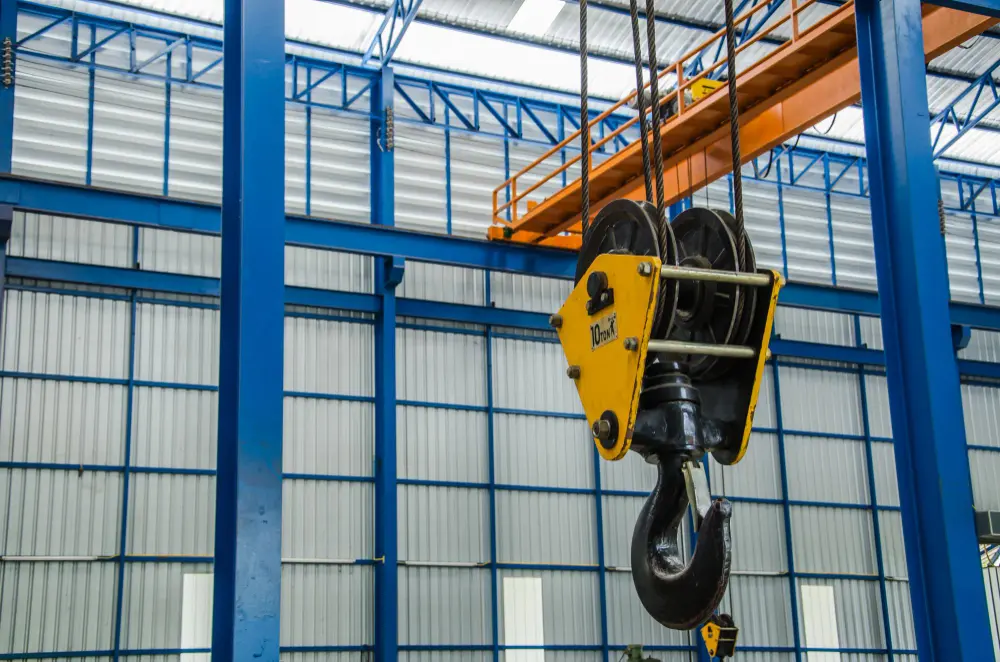
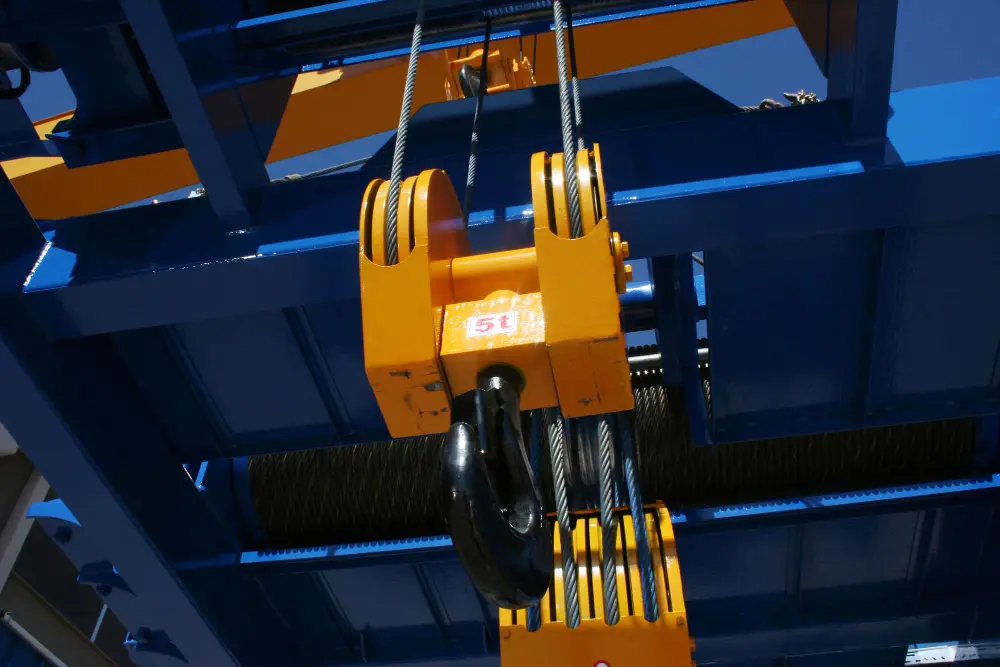
Start with the main frame. Look at the hoist, hook, and wire ropes. Then check the controls and electrical parts. Do not just look once and move on. Take time to notice small details like loose bolts, worn edges, or unusual marks.
When you follow the bridge crane inspection and repair steps, it becomes easier to see what is wrong. You also start to understand how serious the issue is.
In many cases, problems are already visible if you look closely. Skipping this step often leads to repeat repairs later.
Zo-Air handles inspection in a careful way. Their technicians check each section instead of rushing through the process. This helps them plan repairs properly.
Tip 2: Understand Why the Problem Happened
After inspection, the next step is not to repair. First, understand the reason behind the issue. Many people fix what they see, but they do not check why it happened.
For example, if a component breaks, it may not be a one-time issue. It could be due to overload, poor usage, or missed maintenance. If the cause is not clear, the same problem can return.
To follow bridge crane troubleshooting and repair steps, you need to look at past records. Check how often the crane was serviced. Also, think about how it is used every day.
The environment also matters. Dust, moisture, and heat can affect performance over time.
This step may take time, but it helps avoid future problems. It also saves costs in the long run.
Zo-Air focuses on this part before starting repairs. Their approach is simple. First find the cause, then fix the issue.
Tip 3: Follow a Clear Repair Workflow
Once the issue is understood, the repair can begin. At this point, a clear process is important. Without a proper order, the work can become confusing.
A basic overhead crane repair workflow starts with switching off the power. After that, the crane should be secured so it cannot move. Then damaged parts can be repaired or replaced.
After the repair, all parts should be placed back carefully. Then connections and alignment should be checked.
When you follow a step-by-step overhead crane repair process, the work stays organized. It also reduces the chance of missing something important.
Some repairs may look simple, but skipping steps can create bigger problems later.
Zo-Air technicians follow a fixed process during on-site work. This helps them stay consistent and avoid mistakes.
Tip 4: Use the Right Parts and Tools
Using the correct parts is very important. Even a small mismatch can affect the whole system.
During industrial bridge crane repair procedures, parts should match the original setup. Tools should also be suitable for heavy work.
Before installing anything, check the condition of the part. Make sure it is not damaged or low quality.
When proper parts are used, the crane works better and lasts longer. On the other hand, incorrect parts can lead to repeated issues.
It is also important to use tools that are designed for the job. Using the wrong tools can damage components or reduce accuracy.
Zo-Air uses approved parts and proper tools for every repair. This helps ensure that the work is reliable.
Tip 5: Test the Crane After Repair
Once the repair is complete, the work is not finished yet. Testing is still required. This step confirms whether everything is working properly.
Start by checking the lifting function. Then test brakes and safety systems. Controls and emergency stops should also be checked.
After that, observe the crane while it is moving. Watch how it responds during operation.
A proper bridge crane maintenance and repair guide always includes testing. Without testing, small problems may stay hidden.
Testing also gives confidence that the repair was done correctly. It ensures that the crane is safe to use.
Zo-Air includes testing as a standard part of their repair service. They make sure the crane is ready before handing it back.
Tip 6: Do Not Skip Regular Maintenance
Repair is only one part of the process. Maintenance is just as important. Without regular checks, small issues can grow over time.
A simple plan should include inspection, lubrication, and adjustment of parts. Worn parts should be replaced before they fail.
When you follow a step-by-step guide to bridge crane repair along with maintenance, the system stays in better condition.
Regular maintenance also helps reduce downtime. It keeps the crane ready for daily use.
Zo-Air provides maintenance services that support long-term performance. Their goal is to prevent problems before they happen.
Why a Proper Repair Process Matters
A complete bridge crane repair process explained in a simple way helps teams stay on track. It removes guesswork and keeps the work structured.
When repairs are done properly, downtime is reduced. Work continues without long delays. Safety also improves because the equipment is reliable.
On the other hand, if repairs are rushed or unplanned, problems can return. This increases cost and risk.
A proper process also supports safety standards and compliance. This is important in industrial settings.
Zo-Air follows structured methods in all services. Their approach focuses on safety and long-term results.
Common Mistakes That Should Be Avoided
Even with a plan, mistakes can still happen. Some of these mistakes are common and easy to avoid.
One mistake is skipping inspection. Without inspection, the real issue may not be found. Another mistake is using incorrect parts. This often leads to repeat failure.
Testing is sometimes skipped to save time. However, this can leave hidden problems in the system.
Another issue is not following a clear workflow. This creates confusion during repair work.
Poor record-keeping is also a problem. Without records, it becomes difficult to track past issues.
By avoiding these mistakes and following a step-by-step bridge crane repair process, the results improve.
Why Professional Repair Services Help
Bridge cranes are not simple machines. They handle heavy loads and require careful handling. Because of this, repair work should not be taken lightly.
Professional technicians understand how these systems work. They follow safety rules and use the right tools. They also know how to handle different types of issues.
Zo-Air provides full support for inspection, repair, and maintenance. Their team works step by step and focuses on correct methods.
Choosing a professional service reduces risk. It also saves time and avoids repeated problems.
In many cases, proper repair at the right time prevents bigger issues later.
Conclusion
A step-by-step bridge crane repair process helps keep operations safe and steady. Each step has its purpose, from inspection to testing.
When the process is followed correctly, the crane works better and lasts longer. It also reduces risk for workers and avoids delays in work.
Regular maintenance also plays a key role. It helps prevent problems before they become serious.
If you need support with Bridge crane repair, Zo-Air provides inspection, repair, and maintenance services. Their team works with care and follows proper steps.
You can contact Zo-Air to keep your crane system in good working condition.
Frequently Asked Questions
The inspection schedule depends on how often the crane is used. If it is used daily, inspections should be done more frequently. In many cases, a monthly check is useful. A detailed inspection should also be done once a year. Regular checks help find issues early and reduce risk.
Bridge crane repair should be handled by trained professionals. These systems are complex and carry heavy loads. If repairs are done incorrectly, it can create safety risks. Professionals follow proper steps and use correct tools. This helps ensure safe and proper repair.
Some signs are easy to notice. These include unusual noise, slow movement, and worn cables. In some cases, the crane may not lift properly. It may also stop suddenly during use. Electrical issues may also appear. These signs should not be ignored because they can lead to bigger problems.
The repair process includes inspection, finding the cause of the issue, repairing or replacing parts, and testing the crane. Each step is important. Skipping any step can lead to problems later. A proper process ensures that the crane works correctly after repair.
Maintenance helps identify small problems early. This prevents major failures and reduces repair costs. It also helps avoid downtime. Over time, regular maintenance improves the life and performance of the crane.