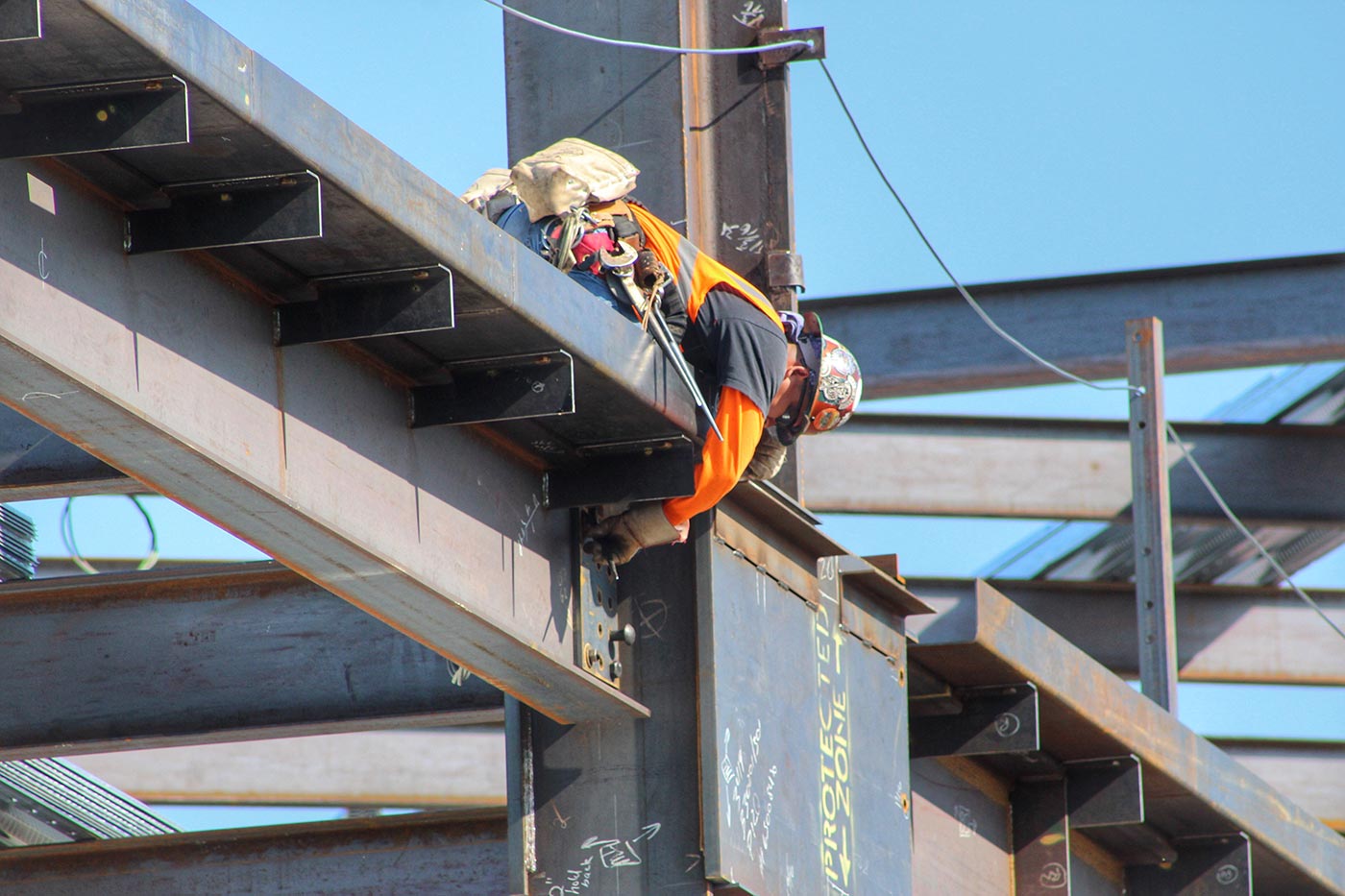
When a workplace uses lifting equipment, safety must come first. The U.S. Bureau of Labor Statistics shared a report showing that around 42 crane-related deaths occurred each year between 2011 and 2017.
This number reminds us why regular inspections matter. A bridge inspection crane is used almost every day in many facilities. Since it lifts heavy loads and supports essential operations, it needs proper care. Many companies in New York and New Jersey work with Zo Air because they want their crane to stay safe and reliable.
What Is a Bridge Inspection Crane?
A bridge crane is a type of overhead crane. It travels along beams placed above the work area. A hoist moves along the bridge and lifts the load where needed.
When a crane goes through scheduled inspections and maintenance, it may be referred to as a bridge inspection crane. It means the crane is checked regularly to confirm it is still safe to use and can handle its rated load.
You often see bridge cranes in places such as:
- Manufacturing facilities
- Storage buildings
- Assembly and repair shops
- Warehouses
These cranes help move heavy materials safely and reduce physical strain on workers.
Why Regular Inspections Matter
A crane may look fine on the outside, but the inside parts can slowly wear out. Heat, vibration, frequent use, and the weight it carries can create strain.
When a crane is inspected on time, it becomes easier to spot problems early. This helps prevent:
- Sudden breakdowns
- Unsafe conditions
- Extra repair costs
- Forced shutdowns
When your bridge inspection crane remains in good condition, you protect your team and your workflow.
How a Bridge Inspection Crane Is Inspected
A trained technician follows a steady and clear process during an inspection. Each part is checked carefully to confirm everything is working correctly.
The inspection often includes:
Visual and Structure Check
The inspector carefully looks at beams, fasteners, joints, and running tracks. Any rust, cracks, or loose parts must be addressed.
Mechanical Component Review
The hook, latch, wire rope or chain, hoist, trolley movement, and brake system are checked. These parts must work smoothly and safely.
Electrical and Control Testing
Pendant controls, wiring, safety switches, and motors are tested to confirm proper response and smooth operation.
Load Test When Needed
Sometimes the crane lifts a controlled weight to confirm it can still support its rated load safely.
Report and Next Steps
After the inspection, the technician documents the findings. Repairs and follow-up maintenance may be recommended.
A detailed inspection helps ensure the crane is ready for everyday work.
How Professional Inspection Supports Safety
Many companies choose trained inspectors because proper crane inspection requires experience and understanding of safety standards. A professional also uses the right tools and follows recognized procedures.
When a professional service completes inspections, you benefit from:
- Skilled work from certified technicians
- Correct testing equipment
- Clear documentation for compliance
- Repairs planned before issues grow
- More reliable performance from the crane
A well-maintained bridge inspection crane helps create a safer workplace and prevents unexpected failures.
Why Companies in NY and NJ Trust Zo Air
Many companies in New York and Northern New Jersey work with Zo-Air because they need dependable and local support. Response time matters when equipment is part of daily operations.
Zo-Air provides:
- Inspections, maintenance, and repair services
- Trained and experienced inspectors
- OSHA-aligned inspection methods
- Access to parts when repairs are needed
If your workplace depends on a bridge inspection crane, choosing a service partner like Zo-Air can help you avoid costly downtime and safety risks.
Schedule a Bridge Inspection Crane Service
If your crane has not been inspected recently, it may be a good time to schedule a visit. Regular inspection helps prevent failure, protects workers, and keeps operations steady. Zo-Air can help you plan an inspection schedule and provide support when repairs are required.
Frequently Asked Questions
Bridge cranes need two levels of inspection. A basic visual check can be done before daily operation. A complete inspection should be done based on use, working environment, and regulations. Many cranes are inspected once a year, but cranes used heavily may need more frequent checks.
The inspection covers many parts, such as the hook, hoist, wire rope or lifting chain, safety controls, runway system, brakes, and electrical components. Any part that moves or carries weight must be checked carefully.
Workers may complete routine and straightforward visual checks. However, a full inspection should be done by a qualified inspector who understands standards and knows how to recognize early signs of wear.
If inspections are not completed, parts may fail without warning. This may lead to unsafe lifting, injury, damaged equipment, or compliance issues. Early care helps prevent costly repairs and accidents.
Preventive maintenance helps you address small issues before they become serious. It supports safety, reduces downtime, and helps extend the crane’s working life. With a planned schedule, you can avoid sudden repair needs and keep the crane reliable.