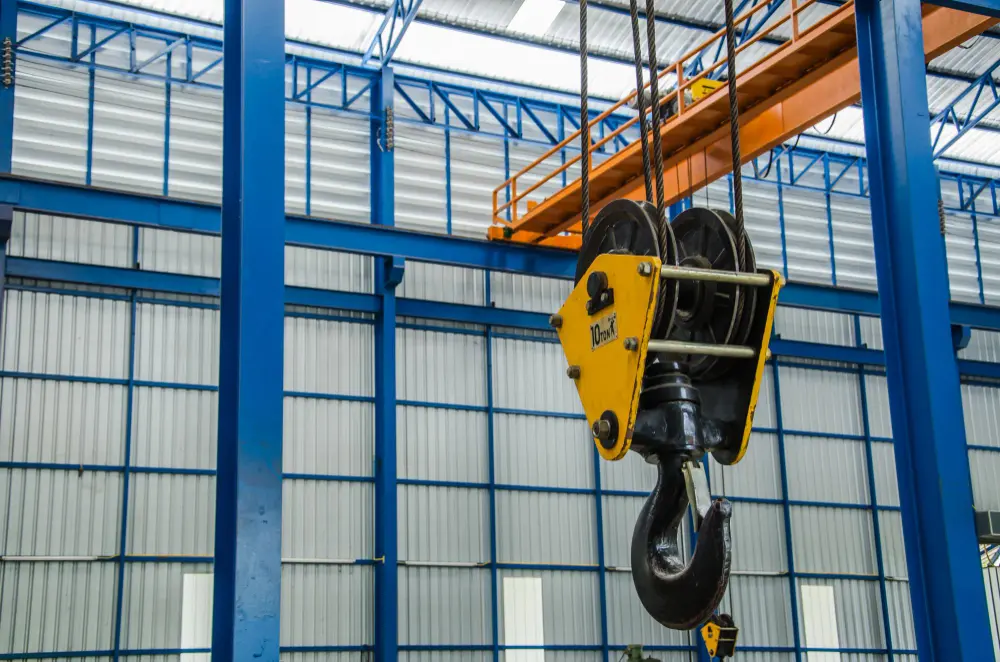
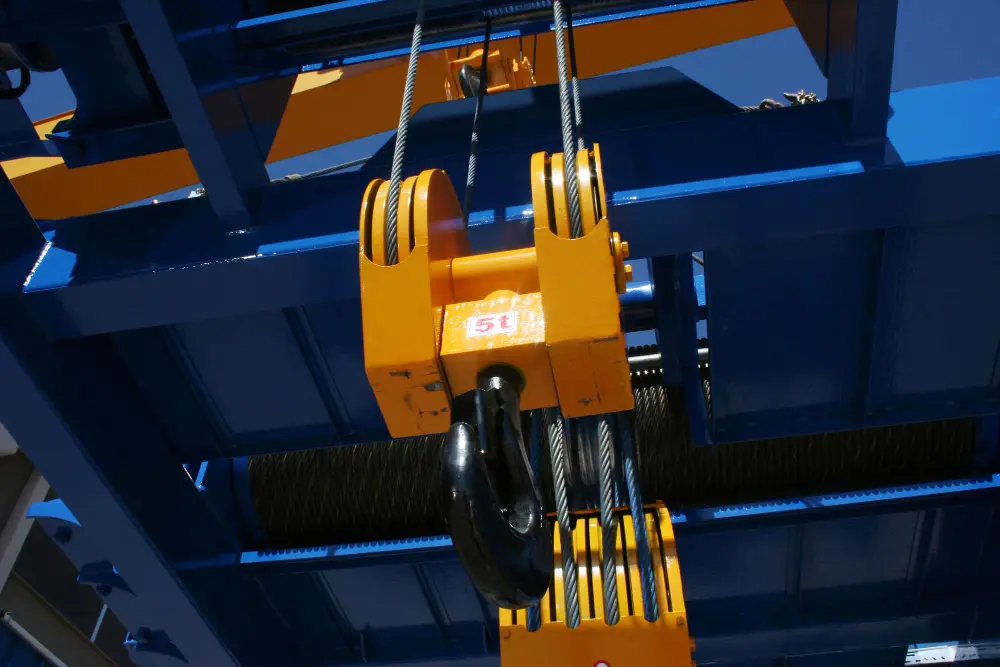
Electric chain hoists are machines that lift and move heavy loads. They are used in factories, warehouses, construction sites, and maintenance areas. These machines are part of everyday work in many places. If you pick the wrong one, or if you skip regular checks, the work can get risky. So knowing which type to use and when is something every buyer or renter should understand before making a choice.
What Is an Electric Chain Hoist?
A chain hoist is a machine with a motor and a chain. You use it to lift heavy things up and bring them back down. Workers use it so they do not have to carry heavy loads by hand. This saves effort and makes the work safer and faster.
These machines are found in factories, warehouses, repair shops, and building sites. They are used a lot, which means they need regular care. If they are not checked often, small problems can turn into big ones. Zo-Air helps with servicing, checking, and electric chain hoists for rent so businesses can keep things moving without stopping.
Types of Electric Chain Hoists
There are different types of electric chain hoists, and each one is made for a different kind of work. Here is types of electric chain hoists explained
a simple look at each type.
Single-Phase Electric Chain Hoists
Single-phase hoists are for light jobs. They use a basic power connection and are simple to set up. Small workshops, repair areas, and light maintenance work are where these hoists are usually found.
They cannot handle heavy loads or long work hours. Using them for more than they can take will damage them and make them unsafe. So keep them for small, occasional lifting jobs only.
Three-Phase Electric Chain Hoists
Three-phase hoists are made for harder, heavier work. They are more powerful and can work for many hours without slowing down. Factories, construction sites, and production floors use these hoists regularly.
These are among the most used industrial electric chain hoist types in heavy industries. If lifting heavy loads is a daily task at your site, a three-phase hoist is the one to go with.
Hook-Mounted Electric Chain Hoists
Hook-mounted hoists can be put up and taken down quickly. You can carry them to different spots without any major effort. This makes them useful for jobs that do not stay in one place, like repair work or short projects.
They are not the right pick for permanent setups. But if you need a hoist that you can shift around the site, this one is a practical choice.
Trolley Mounted Electric Chain Hoists
Trolley-mounted hoists sit on a beam or rail and can slide from side to side. This lets you lift a load and also move it along a path. Warehouses and assembly lines use this type a lot because materials need to travel from one point to another.
Since these hoists move along a track, they make regular material handling much easier. They cut down on manual effort and help the work go faster each day.
Electric Chain Hoist Classifications Based on Duty
Besides the type, you also need to look at electric chain hoist classifications by duty level. This tells you how much use a hoist can take in a day.
Light Duty
Light-duty hoists are for small loads and occasional use. If your work is not very heavy and does not happen every day, this level is enough.
Medium Duty
Medium-duty hoists are used more regularly. They can handle average loads a few times a day. They are a middle option between light and heavy and work well for many standard jobs.
Heavy Duty
Heavy-duty hoists are built for full-day use with heavy loads. They are strong and do not wear out quickly under pressure. If lifting heavy things is part of the daily routine at your site, go with a
heavy-duty hoist.
Using the wrong duty level is a common mistake. A light-duty hoist doing heavy daily work will break down fast and become a safety risk.
Electric Hoist Types and Uses in Real Work
Looking at electric hoist types and uses in real settings helps you understand the value of matching the right hoist to the right job. These machines are used to lift equipment, shift materials, support building work, and handle heavy parts in maintenance areas.
A warehouse moving goods all day along a set path needs a trolley-mounted hoist. A small repair shop doing occasional light work needs a light-duty single-phase hoist. A busy factory floor running all day needs a heavy-duty three-phase model.
When the hoist fits the job, work stays on track, the machine lasts longer, and the site stays safer. Zo-Air helps businesses find the right fit and checks the equipment before it goes into use.
Key Factors When Choosing the Right Hoist Type
Any good electric chain hoist types guide will tell you to check a few basic things before buying or renting.
Load Capacity
Make sure the hoist can carry the weight you need. Lifting more than the rated limit is dangerous and can break the machine.
Lift Height
Check if the hoist can reach the height your job needs. Some models have shorter chains, so look at this before you commit.
Power Source
Find out what power supply is at your site. Then pick single-phase or three-phase based on that.
Work Environment
Think about the space where the hoist will be used. Wet, dusty, or very hot places need a hoist that can handle those conditions. If you put a regular hoist in a harsh place, it will not last long.
Safety Standards
Always check that the hoist meets the safety rules in your area. Regular inspection is part of this, too. Zo-Air offers inspection services to make sure the equipment is safe before and during use.
Common Electric Chain Hoist Models Explained
When looking at common electric chain hoist models explained by speed, there are three main options.
Fixed Speed Hoists– These work at one speed only. They are simple and good for basic lifting, where you do not need to adjust the speed at all.
Dual Speed Hoists- These have two speeds. You use the faster speed for regular lifts and the slower one when you need more care and control. They are more flexible than fixed speed models.
Variable Speed Hoists– These let you set any speed you want. They are the best choice for jobs that need very careful lifting or precise load placement.
Pick the model that matches the level of control your work needs.
Why Choosing the Right Type Matters
Getting the right hoist is not just about work speed. It is about safety, too. A hoist that is wrong for the job can fail, hurt workers, and cause damage that costs a lot to fix.
Using the right type also means less wear, longer machine life, smoother work, and no problems with safety checks. Regular inspection on top of that keeps everything running the way it should. Zo-Air provides inspection and maintenance support to help businesses stay on top of this.
Renting vs Buying Electric Chain Hoists
A lot of businesses now go for electric chain hoists for rent instead of buying. The main reason is cost. Renting means you do not have to spend a lot of money up front. You also do not have to handle repairs or servicing over time. Plus, you get equipment that is already checked and ready to use.
For short-term work or one-off projects, renting is a better financial decision than buying. Zo-Air offers rental options along with full inspection support.
Common Mistakes to Avoid
Not checking the load limit is one mistake people often make. This leads to overloading, which is dangerous. Another mistake is ignoring the duty level. A light-duty hoist used for heavy daily work will not last and will create problems.
Some also forget about the work environment and put the wrong hoist in dusty or wet conditions. And many skip regular inspection without realizing what that can lead to. All of these mistakes are avoidable with a little planning up front.
Why Regular Inspection Matters
Checking the hoist often is not optional. It is a basic requirement for safe use. The chain, motor, hook, and controls all need to be looked at regularly. If something is off, fix it before using the hoist again.
Regular maintenance also keeps the machine working well for longer and stops unexpected breakdowns that can delay the whole job. Zo-Air handles inspection and maintenance so businesses do not have to worry about this on their own.
Basic Safety Tips
Always check the load before lifting anything. Never go over the weight limit. Keep the area around the hoist clear. Check the parts on a regular schedule. And follow the instructions that come with the machine. These are simple steps, but they make the work much safer.
Conclusion
Understanding the overview of electric chain hoist types makes it easier to choose the right one. Every type has a purpose. Matching that purpose to your job keeps the work safe, efficient, and problem-free.
Zo-Air supports businesses through inspection, maintenance, and rental services. If you are planning a project, picking the right hoist from the start will save you time and trouble.
Frequently Asked Questions
The four main types are single-phase, three-phase, hook-mounted, and trolley-mounted. Single-phase is for light work. Three-phase is for heavy, ongoing use. Hook-mounted ones can be moved around easily. Trolley-mounted ones slide along a beam and work well where loads need to move sideways, too.
Check the weight you need to lift, the height needed, and the power available at the site. Also, look at how often it will be used and what the work environment is like. Then match all of that to the right type and duty level.
Light duty is for small, occasional loads. Heavy-duty is for large loads used every day for long hours. Using a light-duty hoist for heavy work will damage it fast and create safety problems.
Yes, when used correctly. Stay within the load limit, inspect regularly, and follow the instructions. Most problems come from overloading or skipping checks.
Yes, especially for short-term work. You spend less upfront, skip the maintenance responsibility, and get equipment that is already in good shape. Zo-Air offers rentals with inspection support so the hoist is ready when you need it.